Travel Destinations That Inspire Reflection and Growth
Percival Thorn October 6, 2025
In recent years, travel has shifted from being primarily about sightseeing to becoming a tool for personal development. Modern travelers are increasingly drawn to destinations that provide opportunities for self-reflection, mindfulness, and personal growth. Rather than racing through packed itineraries, many are seeking slower, more meaningful journeys that encourage introspection and a deeper connection with themselves and the world around them.
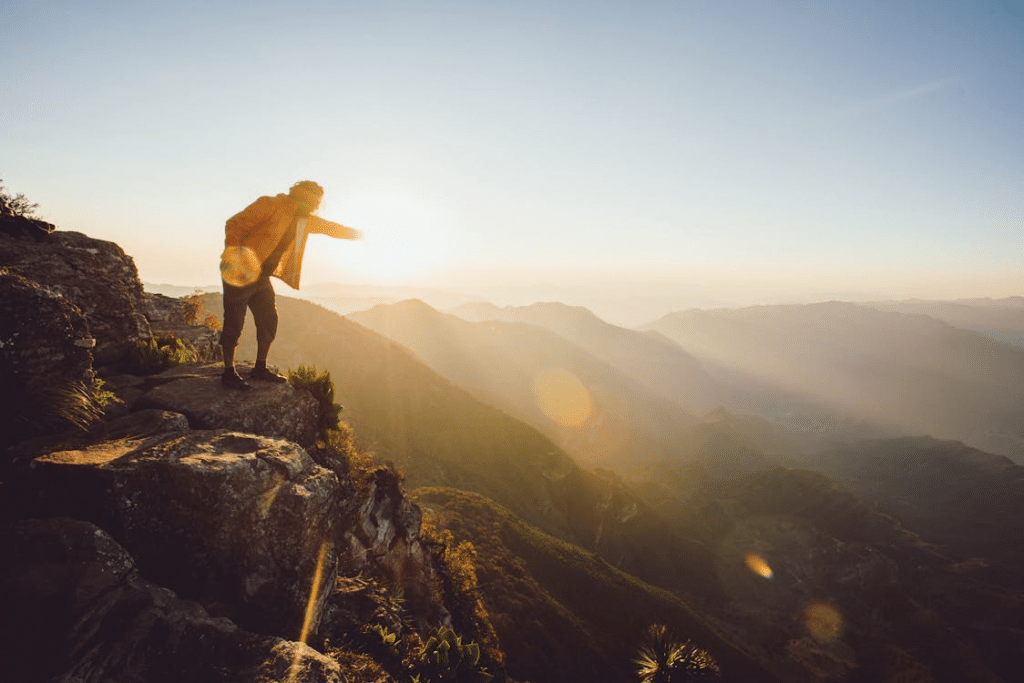
The Rise of Transformational Travel
According to the Transformational Travel Council, a global movement has been growing around the concept of “transformational travel.” This form of travel focuses on intentional journeys that not only explore new places but also invite travelers to challenge perspectives, foster resilience, and discover inner growth.
A 2024 Booking.com report found that 54% of travelers want trips that support mental well-being and personal transformation. This aligns with broader lifestyle trends: as mindfulness, wellness, and self-improvement rise in popularity, travel has naturally evolved to become a complementary path to these goals.
Destinations That Encourage Self-Reflection
Certain destinations have become synonymous with reflection because of their atmosphere, culture, or natural surroundings. From tranquil landscapes to spiritually significant locations, they offer travelers a chance to disconnect from distractions and focus inward.
1. Kyoto, Japan
Kyoto’s temples, Zen gardens, and traditional teahouses create an environment that fosters calm and mindfulness. Walking through moss-covered paths or sitting in meditation at Ryoan-ji’s rock garden encourages reflection and quiet introspection. The cultural emphasis on simplicity and ritual makes Kyoto one of the most powerful destinations for travelers seeking growth.
2. Bali, Indonesia
Known for yoga retreats, meditation centers, and holistic healing practices, Bali attracts travelers from across the world who want to reset and reconnect. Ubud, in particular, is a hub for spiritual exploration, offering opportunities for daily yoga, guided meditation, and community connection that inspires inner growth.
3. Iceland
With its vast, untouched landscapes—glaciers, waterfalls, and volcanic fields—Iceland offers solitude that encourages deep reflection. The slow pace of driving through its ring road or soaking in natural hot springs allows travelers to embrace silence and develop resilience in the face of nature’s raw power.
4. Peru (Sacred Valley and Machu Picchu)
The Sacred Valley, with its spiritual traditions and ancient ruins, draws those seeking purpose and connection. Trekking to Machu Picchu is often described as a transformative journey, both physically challenging and emotionally rewarding, offering space for reflection and a sense of accomplishment.
5. The Camino de Santiago, Spain
Walking the Camino is one of the most well-known examples of travel as a path to growth. For centuries, pilgrims have walked this route not just for religious reasons but also for self-discovery. Spending days or weeks in steady movement, surrounded by strangers who often become friends, encourages a unique kind of reflection that only long journeys can provide.
Growth Through Nature-Based Experiences
Many destinations that inspire reflection and growth share one common feature: a strong connection to nature. Research from the American Psychological Association (2023) confirms that time spent in nature reduces stress, improves mental clarity, and enhances overall well-being. Natural environments provide perspective, reminding travelers of their place in the larger world.
Activities like hiking, stargazing, or simply sitting quietly near water can serve as powerful catalysts for growth. Unlike urban distractions, these environments create the mental space needed for deep thought and self-awareness.
Cultural Immersion as a Path to Reflection
Travelers seeking growth are also finding value in immersing themselves in new cultures. Engaging with local communities, learning new traditions, and understanding different perspectives challenge existing assumptions and broaden worldview.
For example:
- Living with host families in rural villages encourages gratitude and appreciation for simplicity.
- Volunteering while traveling provides a sense of purpose and teaches resilience through service.
- Participating in local rituals—from tea ceremonies in Japan to sound healing sessions in Bali—helps travelers embrace mindfulness and cultural respect.
These experiences move beyond tourism, leaving lasting impacts on both travelers and host communities.
The Role of Slow Travel
The slow travel movement is gaining traction as a natural companion to transformational journeys. Instead of rushing through checklists, travelers stay longer in fewer places, allowing for deeper connection and reflection.
Slow travel encourages:
- Building routines like daily walks or journaling in a quiet café.
- Forming genuine connections with locals.
- Experiencing destinations at the pace of everyday life rather than tourist schedules.
By reducing the rush, slow travel provides the mental clarity needed for personal growth.
Practical Tips for Transformative Travel
Traveling for reflection and growth is not just about choosing the right destination—it’s also about approaching the journey with intention. Here are strategies to make the experience more impactful:
- Set an intention before the trip: Decide what you want to reflect on or work through.
- Disconnect from constant connectivity: Limit phone use to create uninterrupted time for thought.
- Practice mindfulness daily: Whether through meditation, journaling, or quiet observation, make reflection a part of the journey.
- Embrace challenges: Difficult hikes, language barriers, or cultural differences can become opportunities for growth.
- Document your insights: Keeping a travel journal ensures reflections are captured and can inspire future growth.
Long-Term Impact of Reflective Travel
The benefits of reflective travel often extend far beyond the trip itself. Travelers return home with improved clarity, resilience, and perspective that influence both personal and professional life. By building self-awareness and developing adaptability, these journeys contribute to long-term well-being and success.
Studies show that experiences tied to personal growth are remembered more vividly and valued more highly than purely recreational trips. This explains why more people are prioritizing destinations and experiences that support mindfulness, reflection, and deeper meaning.
Conclusion
Travel is evolving into more than just movement across borders—it is becoming a pathway to personal transformation. Destinations that inspire reflection and growth, such as Kyoto, Bali, Iceland, Peru, and the Camino de Santiago, provide unique environments where travelers can disconnect, slow down, and look inward. By combining cultural immersion, nature-based experiences, and intentional mindfulness, these journeys create lasting impacts that extend far beyond the trip itself.
As transformational travel continues to grow in popularity, it represents a profound shift in how people view exploration: not just as a way to see the world, but as a way to better understand themselves.
References
- American Psychological Association. (2023). Nature and mental health: An overview. https://www.apa.org
- Booking.com. (2024). Travel predictions report. https://www.booking.com
- Transformational Travel Council. (2024). Principles of transformational travel. https://www.transformational.travel
- National Geographic. (2024). Why slow travel is the future of meaningful journeys. https://www.nationalgeographic.com
- Journal of Sustainable Tourism. (2023). Cultural immersion and its effects on personal growth. https://www.tandfonline.com

 Nutrition Practices That Enhance Cognitive Performance