Nutrition Practices That Enhance Cognitive Performance
Evangeline Keaton October 6, 2025
In 2025, more people are treating nutrition not only as a way to stay fit but also as a strategy for mental performance. The demand for sharper focus, stronger memory, and better stress resilience has placed nutrition practices that enhance cognitive performance at the center of modern wellness trends. Professionals, students, and even older adults are exploring how food choices directly influence clarity, decision-making, and long-term brain health.

Why Nutrition Is a Key Driver of Brainpower
The brain is one of the most energy-demanding organs in the body, relying on a steady supply of glucose, amino acids, and healthy fats to function efficiently. According to Harvard Health (2024), diets rich in antioxidants, lean protein, and omega-3 fatty acids are linked with improved memory and reduced risk of cognitive decline.
Unlike short-term solutions like caffeine or energy drinks, consistent nutrition practices build long-lasting resilience. This explains why global surveys, including one from the International Food Information Council (2024), show that over 60% of people now seek foods that directly support mental clarity.
Brain-Friendly Macronutrients
Healthy fats for neural connections
Omega-3 fatty acids, abundant in fish, flaxseeds, and walnuts, form the building blocks of cell membranes and help reduce inflammation. Regular intake is associated with sharper memory and stronger focus.
Proteins as neurotransmitter fuel
Amino acids from lean meats, legumes, and dairy support serotonin and dopamine production, regulating mood, motivation, and alertness.
Complex carbs for steady energy
Whole grains, oats, and lentils deliver glucose slowly, preventing the “brain fog” that often follows refined sugar crashes.
Essential Micronutrients
- B Vitamins (B6, B12, folate) lower homocysteine levels linked to cognitive decline. Found in eggs, greens, and beans.
- Vitamin D supports mood regulation and concentration, especially important in low-sunlight regions.
- Magnesium and Zinc improve memory retention, stress balance, and sleep quality—crucial for brain recovery.
Emerging Nutrition Trends for Cognitive Health
Intermittent fasting
A 2023 Nature Reviews Neuroscience study revealed that intermittent fasting may boost neural plasticity and enhance concentration. Many professionals now use time-restricted eating to maintain focus during work hours.
Gut-brain connection
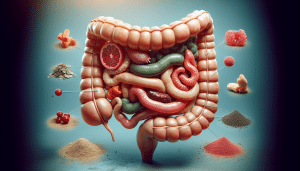
Fermented foods like kefir, miso, and kimchi nurture gut bacteria that produce neurotransmitters. Scientists increasingly link gut health with emotional regulation and decision-making speed.
Adaptogens and natural nootropics
Ashwagandha, Rhodiola, and L-theanine (from green tea) are rising in popularity as natural ways to reduce stress and sharpen focus without overstimulation.
Practical Nutrition Practices for Everyday Life
- Balanced breakfast – Oatmeal with nuts and berries supports both energy and antioxidant intake.
- Smart snacks – Replace processed foods with dark chocolate, pumpkin seeds, or Greek yogurt for a midday brain boost.
- Hydration as priority – Even slight dehydration decreases attention span and memory performance.
- Mindful caffeine use – Pair coffee with protein or swap some cups for green tea to prevent jitters.
- Dinner for the brain – Salmon with quinoa and leafy greens combines protein, omega-3s, and micronutrients for cognitive recovery.
Long-Term Benefits of Cognitive Nutrition
Consistently applying nutrition practices that enhance cognitive performance pays dividends beyond short bursts of productivity. The Mediterranean and MIND diets, both widely researched, demonstrate lower risks of dementia and Alzheimer’s disease. By building habits around whole foods, healthy fats, and nutrient-dense meals, individuals strengthen not only daily focus but also lifelong brain resilience.
Conclusion
In a world where mental clarity is increasingly valued, nutrition practices that enhance cognitive performance are becoming non-negotiable. From omega-rich foods and mindful fasting to probiotics and adaptogens, today’s nutrition trends highlight the deep link between food and focus. Eating well is no longer only about weight or fitness—it is about equipping the brain to meet the demands of modern life with clarity, stability, and energy.
References
- Harvard Health Publishing. (2024). Foods linked to better brainpower. https://www.health.harvard.edu
- International Food Information Council. (2024). Consumer trends in functional foods. https://www.foodinsight.org
- Nature Reviews Neuroscience. (2023). Intermittent fasting and brain health. https://www.nature.com
- Frontiers in Aging Neuroscience. (2023). Omega-3 fatty acids and cognition. https://www.frontiersin.org
- American Psychological Association. (2023). The gut-brain connection and mental health. https://www.apa.org

 DIY Home Projects That Enhance Comfort and Style