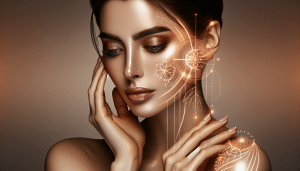
Radiant Skin Rituals You’ll Want to Try
Seraphina Marlowe September 25, 2025
Unlock the secrets of glowing skin with approachable beauty rituals anyone can explore. Discover how hydration, sleep, and mindful routines work together for a healthy complexion while learning about new approaches proven by science.
Hydration and Its Surprising Effect on Skin Glow
Hydrated skin looks noticeably fresher and more vibrant. Water supports every cell and helps retain elasticity, which gives skin that sought-after supple appearance. When people drink enough fluids, their skin behaves differently—it feels smoother and often exhibits a natural radiance that even top serums can’t always replicate. Research shows that well-hydrated skin is less prone to dryness, cracking, and irritation, making this a foundational part of any effective skin care routine (https://www.ncbi.nlm.nih.gov/pmc/articles/PMC6067127/).
But what does hydration really entail? It isn’t just about drinking water. Moisturizing products form a barrier on the skin, locking in existing moisture and protecting against environmental dryness. Humidifiers can also be game changers for skin, especially during colder or drier months. They keep ambient moisture levels up, which helps prevent that tight, uncomfortable feeling that sometimes follows cleansing or exposure to wind and air conditioning.
For those navigating sensitive skin, adding hydrating ingredients like hyaluronic acid and glycerin into a routine can be a real turning point. These elements attract water to the skin’s surface, boosting dewiness and resilience without causing breakouts. Such ingredients have widespread support in dermatology for providing lasting moisture to the skin without adding unnecessary oil, making them a frequent choice in both premium and accessible beauty lines alike.
Why Sleep Is Still the Ultimate Beauty Tool
There’s a reason so many people call it beauty sleep. During deep sleep, the body ramps up collagen production and repairs minor skin damage caused by environmental stressors. This biological reset window is essential—forgoing it can lead to dullness, puffiness, and fine lines. Researchers frequently point to sleep deprivation as a common cause of tired-looking skin and dark under-eye circles (https://www.sleepfoundation.org/physical-health/how-sleep-affects-your-skin).
The quality of sleep is just as important as the amount. Short, restless nights may leave you waking up with congested pores and a lackluster tone, so setting a regular bedtime can pay off visibly. Supplementing this habit with calming pre-sleep rituals, such as gentle stretching or mindfulness meditation, prepares both mind and skin for renewal through the night. These rituals help ensure your skin receives the full benefits of its natural overnight repair processes.
Sleep also impacts how skincare products perform. Skin is more receptive to active ingredients in the evening, so overnight masks and serums often deliver potent results. Many report brighter tone and less irritation after using night-specific moisturizers, as the uninterrupted hours allow ingredients to penetrate deeply. For anyone seeking simple improvements, enhancing sleep habits might deliver more skin benefits than trying the newest external treatments alone.
The Power of Mindful Routines in Daily Skincare
Mindful routines transform skincare from a rushed task to a calming ritual. Setting aside dedicated time for gentle cleansing and self-massage reduces stress, which can, in turn, lower inflammation in the skin. People who mindfully apply products are more likely to notice changes—both good and bad—early, allowing for better adaptation in their routines. Mindfulness techniques have even been linked to reduced severity of certain skin conditions by minimizing the body’s stress response (https://www.health.harvard.edu/mind-and-mood/how-mindfulness-may-improve-your-skin).
Sensory elements matter in mindful skincare: selecting products with pleasant scents or calming textures can signal the brain to relax. The act of focusing on the present moment—on the feel of the serum, the light tapping motion around the eyes—can shift attention away from daily worries. This daily pause helps many people find balance while also building a stronger, more attentive relationship with their skin.
Integrating mindfulness doesn’t require elaborate routines. Even one minute of deep breathing while applying moisturizer can foster a new sense of calm. Simple tools, like facial rollers or cool jade stones, provide both relaxation and gentle stimulation. Consistency is key: by treating skincare as time for self-connection, it becomes easier to sustain rituals that support both wellness and beauty in the long run.
Unpacking the Truth Behind Common Skincare Ingredients
Ingredient lists can be overwhelming, but knowing what to look for makes all the difference. Retinoids, for instance, are championed by dermatologists for supporting cell turnover, which addresses fine lines and uneven texture. Niacinamide, a form of vitamin B3, helps to soothe redness and strengthen the skin’s protective barrier, making it a popular choice for sensitive skin. Science consistently supports these ingredients as part of effective, evidence-based routines (https://www.aad.org/public/everyday-care/skin-care-secrets/routine/skin-care-ingredients).
Natural oils, such as jojoba and squalane, are also appearing more often in both budget-friendly and premium beauty products. They mimic the skin’s own moisture, making them less likely to clog pores and perfect for creating that soft, plump feel people desire. Understanding these elements aids in choosing products that work in harmony with skin type and goals, whether tackling oiliness or seeking more radiance.
For those with sensitive or allergy-prone skin, patch testing is essential before committing to new ingredients. Watching how skin responds in a small area helps avoid larger reactions and ensures that the chosen regimen is both safe and effective. Such precaution, widely recommended by dermatologists, supports a smoother path to glowing, healthy skin for people with all types of complexions (https://www.mskcc.org/news/patch-testing-skin-allergies).
Environmental Influences on Your Complexion
External factors impact the skin’s look and feel more than many realize. Sun exposure, for one, is among the leading accelerators of visible aging. Wearing broad-spectrum sunscreen, even on cloudy days, is vital in preserving youthful vibrancy and preventing spots. Pollution also plays a role; microscopic particles settle on the skin and can trigger inflammation or block pores, which may reduce radiance over time (https://www.cdc.gov/cancer/skin/basic_info/sun-safety.htm).
Washing the face each night removes environmental debris, allowing skin to breathe and repair as you sleep. Ingredients like antioxidants—think vitamin C and green tea—fight the oxidative stress caused by free radicals in polluted air. These compounds are often found in both high-end and accessible product ranges for this very reason, and have been featured in numerous clinical studies focused on skin protection.
Seasonal changes demand adjustments in skincare rituals. Colder months require richer creams to combat dryness, while lighter gels are best during humid periods. Adapting routines according to weather patterns and pollution levels boosts the effectiveness of each step and keeps the complexion balanced throughout the year.
Exploring Lifestyle Factors That Amplify Beauty From Within
Lifestyle factors directly influence the skin’s appearance. A well-rounded diet rich in fruits, vegetables, and omega-3 fatty acids feeds the skin cells, providing necessary nutrients for regeneration and elasticity. Physical activity increases circulation, ensuring that more oxygen and vital nutrients reach skin tissues, which can help with glow and firmness. This internal support forms a vital foundation for any external beauty effort (https://www.eatright.org/health/skin-hair-nails/skin-care/eating-right-for-good-skin).
Stress does more than cloud the mind; it shows up on the face through breakouts and dullness. Simple relaxation techniques, like yoga or mindful breathing, can noticeably ease tension lines. Studies highlight a link between stress reduction and improvements in conditions such as eczema or psoriasis, supporting a holistic approach to skin care that addresses both body and mind.
Healthy skin habits pay off over time. Those who get regular exercise and focus on nourishing their bodies from the inside out often report heightened confidence and satisfaction with their appearance. While no single lifestyle choice guarantees flawless skin, fostering multiple healthy habits can lead to obvious improvements in radiance, resilience, and self-esteem.
References
1. Manroe, M., & Lee, J. (2018). Water, Hydration and Health. Retrieved from https://www.ncbi.nlm.nih.gov/pmc/articles/PMC6067127/
2. Sleep Foundation. (n.d.). How Sleep Affects Your Skin. Retrieved from https://www.sleepfoundation.org/physical-health/how-sleep-affects-your-skin
3. Harvard Health Publishing. (2022). How Mindfulness May Improve Your Skin. Retrieved from https://www.health.harvard.edu/mind-and-mood/how-mindfulness-may-improve-your-skin
4. American Academy of Dermatology Association. (n.d.). Ingredients to Look for in Skin Care Products. Retrieved from https://www.aad.org/public/everyday-care/skin-care-secrets/routine/skin-care-ingredients
5. Memorial Sloan Kettering Cancer Center. (2023). Understanding Patch Testing for Skin Allergies. Retrieved from https://www.mskcc.org/news/patch-testing-skin-allergies
6. Academy of Nutrition and Dietetics. (n.d.). Eating Right for Good Skin. Retrieved from https://www.eatright.org/health/skin-hair-nails/skin-care/eating-right-for-good-skin

 Unlock Secrets Behind Gut Health Myths