Unlock Secrets Behind Gut Health Myths
Evangeline Keaton September 25, 2025
Curious about what really shapes a healthy gut? This guide takes you inside gut health, microbiome facts, digestive balance, and the habits that could change your wellness path. Discover what affects your digestive system and which myths lead people astray—plus practical evidence-backed habits many overlook.
The Microbiome Mystery Revealed
The term ‘gut microbiome’ often pops up in wellness conversations, but what does it truly mean for personal health? The human digestive system hosts trillions of microbes, including bacteria, fungi, and viruses. These organisms play an essential role in digestion, nutrient absorption, and immune defense. Yet, the balance among these microbes—often called microbial diversity—can be disrupted by dietary, medical, or lifestyle choices. Research shows that a diverse gut microbiome supports not only digestion but also mood and overall metabolic health.
Promoting microbiome health isn’t about chasing trendy superfoods or expensive probiotics. Instead, science encourages a steady intake of dietary fiber, as found in vegetables, legumes, and whole grains, to support the variety and strength of gut bacteria (Source: https://www.hsph.harvard.edu/nutritionsource/microbiome/). Sudden dietary changes or restrictive diets can tip the balance and reduce microbial resilience, so gentle, sustained changes are ideal. The idea that any single supplement can replace this diversity is one of the biggest misconceptions found in gut health conversations.
Medical professionals increasingly recognize the bidirectional connection between gut bacteria and mental health. This is known as the gut-brain axis. Factors like regular sleep, physical movement, and stress management all affect microbial communities. Instead of obsessing over ‘detox’ routines, research supports that ordinary, consistent habits—like eating fiber-rich foods and getting restful sleep—do more for the microbiome than fleeting cleanses or elimination plans (Source: https://www.nccih.nih.gov/health/probiotics-what-you-need-to-know).
Digestive Balance: Fact Versus Fiction
Digestive balance is a phrase that appears in countless wellness ads and blogs, yet its true meaning is often clouded by misinformation. At its core, digestive balance refers to the steady, effective movement of food and nutrients through the gut, supported by both muscle activity and microbial harmony. Many believe occasional bloating or irregularity signals deeper problems, but minor fluctuations can be part of normal digestive rhythms. True imbalances occur when long-term changes—like persistent discomfort, pain, or absorption issues—persist and interfere with daily life.
One persistent myth is that everyone needs a daily probiotic to maintain balance. The reality is more nuanced: Certain individuals benefit from targeted probiotic use, such as during or after a course of antibiotics, but for most healthy adults, a diet rich in fermentable fibers naturally fosters beneficial bacteria (Source: https://www.mayoclinic.org/healthy-lifestyle/nutrition-and-healthy-eating/in-depth/probiotics/art-20045345). Personalized approaches matter. It’s important to recognize that what works for one person may not be effective for another due to underlying health conditions and genetic variability.
Another common misconception revolves around frequent colon cleanses and detox teas. While marketed as routes to digestive balance, these interventions can disrupt the microbial environment and, in extreme cases, harm the digestive lining. Instead, gentle support through proper hydration, regular meals, and gradual changes to fiber intake provides a sturdier foundation for digestive health. Long-term, evidence-based changes reliably outperform short-term interventions when it comes to digestive well-being (Source: https://www.cdc.gov/healthyweight/healthy_eating/index.html).
Hidden Influences on Gut Wellness
People often focus exclusively on food, yet a wide array of invisible factors shapes gut wellness. Chronic stress, lack of physical activity, and irregular sleep routines all exert quiet, cumulative impacts. Stress hormones, for example, can trigger gut discomfort and change microbial populations; prolonged tension may even exacerbate preexisting digestive conditions like irritable bowel syndrome (Source: https://www.gastro.org/practice-guidance/gi-patient-center/topic/irritable-bowel-syndrome-ibs). Despite this, many wellness plans focus only on dietary supplements or restrictive plans—missing out on holistic approaches that address these silent drivers.
Medication use stands out as another underestimated factor in gut ecology. Antibiotics, antacids, and painkillers can alter the composition and resilience of gut bacteria. While these drugs often serve essential purposes, their side effects should be considered in any plan for gut wellness. Whenever medications are necessary, it’s wise to ask healthcare professionals about strategies to support digestive resilience during and after their use.
Environmental exposures—including travel, pollution, and hygiene habits—also shape gut health. Sudden changes in water sources, diets, or microbial exposures, as occur during travel, may challenge the digestive system temporarily. Gentle transitions and mindful routines help support the body during these stressful shifts. Clean environments matter, but a certain level of microbial contact from nature, pets, and diverse foods supports a robust and dynamic gut microbiome, further reinforcing gut resilience.
Popular Diets and Their Impact on Digestion
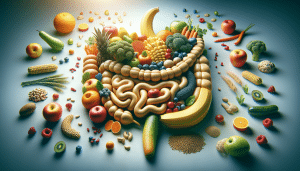
Touted diets such as low-carb, paleo, or ketogenic plans claim to transform gut health quickly. However, rapid dietary changes often create digestive surprise. Cutting out entire food groups can result in reduced microbial diversity and may even compromise long-term digestive well-being. Instead, science-backed research encourages balanced eating with an emphasis on variety and color—fruits, vegetables, legumes, and whole grains create an optimal climate for gut flora.
Fiber remains a key nutrient consistently linked to healthy digestion. Despite the popularity of high-protein or low-fiber meal plans, most people benefit from integrating a range of fibers, both soluble and insoluble, into their diets. Fermented foods such as yogurt, kimchi, or sauerkraut may introduce additional beneficial bacteria, with studies suggesting they can boost resilience, particularly after antibiotics or illness (Source: https://www.hsph.harvard.edu/nutritionsource/probiotics/).
Specialized diets might help manage symptoms of certain digestive disorders under medical guidance, but they are rarely necessary for the broader population. Most people find improvement by gradually embracing plant-rich choices and reducing highly processed foods, rather than adopting extreme dietary rules. For those who notice reactions to specific foods, a registered dietitian specializing in digestive health can offer personalized strategies to balance adaptation and comfort.
Small Everyday Habits That Support Gut Health
Surprisingly, daily habits have an outsized influence on gut health and overall digestion. Something as ordinary as eating at regular times stabilizes the natural rhythms of the digestive system. Chewing food thoroughly before swallowing, rather than eating on the go or distractedly, can also support nutrient absorption and help reduce bloating. Slow, mindful eating gives the body time to coordinate digestive enzymes, reducing symptoms commonly attributed to intolerances or imbalances.
Movement matters for more than muscle tone—it’s also crucial for regular digestion. Brisk walks, yoga, or moderate exercises stimulate gut motility and encourage microbiome diversity. Physical activity has been shown to reduce the risk of constipation and some chronic digestive issues (Source: https://www.cdc.gov/physicalactivity/basics/pa-health/index.htm). Those who struggle with sedentary routines might find starting with short, frequent movement breaks improves not only gut wellness but energy levels throughout the day.
Hydration, commonly overlooked, is another simple yet powerful tool for digestion. Adequate water intake keeps stools soft and supports microbial function. For those living in dry climates, or with physically demanding routines, adjusting intake helps maintain this digestive advantage. Rather than chasing miracle supplements, small, steady improvements in sleep, hydration, and mindful eating have strong, research-backed ties to lasting gut and digestive health.
Clarifying Myths About Gut Cleanses and Supplements
Gut cleanses and commercial supplements crowd the health market with promises of detox and balance. However, evidence for these interventions is often lacking or misrepresented. Research finds that the body’s own organs—the liver, kidneys, and the digestive system itself—work efficiently without the aid of expensive or extreme regimens. Overuse of cleansing products can interrupt natural function and sometimes result in loss of beneficial microbes (Source: https://www.nhs.uk/live-well/eat-well/are-detox-diets-safe-and-effective/).
Dietary supplements, including fiber pills, digestive enzymes, and probiotics, may be useful in targeted situations, such as managing medically diagnosed deficiencies or following medication. However, superior long-term results come from a varied, whole-food diet and lifestyle improvements rather than isolated products. Individual responses to supplements also vary, so guidance from healthcare professionals is always important for persistent symptoms or concerns.
Routine medical check-ups and professional input ensure digestive health plans are tailored, safe, and evidence-supported. Rather than following fad programs or influencer testimonials, consulting clinical practitioners and reading peer-reviewed research yields trustworthy guidance. Curiosity about gut wellness leads to the best outcomes when it is paired with critical thinking and a preference for proven, daily habits instead of extreme interventions.
References
1. Harvard T.H. Chan School of Public Health. (n.d.). The Microbiome. Retrieved from https://www.hsph.harvard.edu/nutritionsource/microbiome/
2. National Center for Complementary and Integrative Health. (n.d.). Probiotics: What You Need To Know. Retrieved from https://www.nccih.nih.gov/health/probiotics-what-you-need-to-know
3. Mayo Clinic. (n.d.). Probiotics: What is it? Retrieved from https://www.mayoclinic.org/healthy-lifestyle/nutrition-and-healthy-eating/in-depth/probiotics/art-20045345
4. Centers for Disease Control and Prevention. (n.d.). Healthy Eating for a Healthy Weight. Retrieved from https://www.cdc.gov/healthyweight/healthy_eating/index.html
5. American Gastroenterological Association. (n.d.). Irritable Bowel Syndrome (IBS). Retrieved from https://www.gastro.org/practice-guidance/gi-patient-center/topic/irritable-bowel-syndrome-ibs
6. National Health Service UK. (n.d.). Are Detox Diets Safe and Effective? Retrieved from https://www.nhs.uk/live-well/eat-well/are-detox-diets-safe-and-effective/

 Why You Might Want to Explore Housing Co-ops