You Won’t Believe These Minimalist Home Trends
Evangeline Keaton October 24, 2025
Explore how minimalist interior design trends are transforming everyday living spaces, from clever furniture choices to mindful decluttering. This guide reveals practical, stylish ways to bring serenity and functionality into your home, complete with expert-backed strategies for making simplicity both beautiful and stress-free.
What Drives the Minimalist Home Revolution
Minimalist home trends are gaining traction across the world. Many now seek harmony and reduced stress in their living spaces. A core idea is creating visually calming environments that let residents breathe more easily. Simple, multifunctional furnishings paired with uncluttered decor anchor this approach. Minimalism isn’t just about owning less; it’s a lifestyle that values intention over excess. Exploring what is essential rather than accumulating extras helps shift perspective on what truly matters at home. Homeowners report feeling unburdened by clutter, finding more time for creativity, and enjoying a sense of openness that enhances well-being (Source: https://www.apa.org/topics/mental-health/healthy-homes).
The trend’s momentum is fueled by a desire to declutter emotionally as well as physically. People are increasingly aware of how their surroundings affect mood and productivity. Scientific studies back up what minimalists experience: less visual noise can lower stress and foster clearer thinking. In practice, that might mean having fewer decorative objects, incorporating neutral colors, and allowing natural light to flow freely through rooms. Minimal interiors support purposeful living, providing a calm backdrop for daily routines while minimizing distractions. These decisions often lead to improved focus and a greater appreciation for the things that remain.
Minimalism also aligns with the push for sustainability. Choosing quality items that serve multiple purposes limits waste and encourages thoughtful spending. This mindful consumption helps reduce environmental impact and keeps living spaces manageable. Multifunctional furniture, energy-efficient appliances, and upcycled decor are becoming staples in minimalist homes. Adopting a minimalist mindset doesn’t happen overnight, but it brings lasting benefits in terms of time, space, and peace of mind. The minimalist home trend is as much about how people want to feel as it is about how their homes look (Source: https://www.energy.gov/energysaver/energy-efficient-home-design).
Decluttering Strategies That Make a Real Impact
A minimalist house starts with effective decluttering strategies. Sorting belongings into categories—keep, donate, recycle—helps tackle even the most overwhelming messes. Many experts advocate for the ‘one in, one out’ rule: before something new enters the home, something else must leave. This prevents accumulation and maintains equilibrium. Small steps, such as organizing a single drawer or closet, can quickly build momentum. Over time, decision-making becomes easier, and the temptation to hold on to unnecessary items fades. Every decluttered corner frees up physical and mental space, making homes less stressful and more enjoyable to inhabit (Source: https://www.health.harvard.edu/mind-and-mood/why-clutter-can-make-you-anxious).
Decluttering is not about deprivation. Instead, it’s about reviving appreciation for the cherished possessions that remain. Displaying meaningful artwork, heirlooms, or books allows them to stand out rather than disappear among clutter. Many minimalist enthusiasts suggest regular ‘edits,’ or periodic cleanouts, to ensure spaces stay vibrant yet clutter-free. Digital decluttering—a frequently overlooked aspect—helps maintain productivity and calm by organizing files, photos, and emails, bringing a sense of accomplishment and control in a hyperconnected world.
Shared spaces—such as kitchens and living rooms—often benefit most from minimalist principles. Keeping countertops clean and employing smart storage solutions contribute to a soothing, spacious atmosphere. Closed cabinetry, under-bed storage, and multi-use furniture all support the minimalist ethos. Shared buy-in from household members streamlines the process and ensures lasting results. A well-decluttered space tends to inspire ongoing mindfulness about future purchases, making minimalism an evolving, sustainable process.
Furniture and Decor: Multifunctional and Beautiful
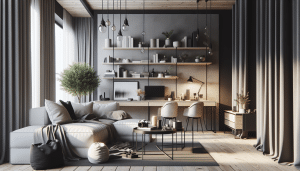
Modern minimalist interiors are defined by multifunctional furniture and sleek decor. Designers favor streamlined pieces—like expandable tables, stackable chairs, and modular shelving—that adapt to changing needs. These items maximize utility without compromising visual harmony. The look is often understated yet sophisticated, using quality materials such as wood, metal, and glass. Neutral color palettes, primarily white, beige, gray, and black, keep the atmosphere calm and open. Decorative accents are chosen thoughtfully—they might feature natural elements or sculptural shapes, adding interest without visual overwhelm.
Storage solutions are vital for supporting minimalist living. Bench seating with hidden compartments, wall-mounted shelving, and nesting tables exemplify practical choices that also enhance room aesthetics. Designers encourage open layouts that allow light and air to circulate freely. This increases the sense of space and prevents clutter from gathering unnoticed. Visual unity is important; repeating colors and forms throughout a home brings a sense of cohesion. This careful curation of furniture and decor enables minimalists to keep even small apartments feeling expansive and tranquil (Source: https://www.architecturaldigest.com/story/minimalist-homes-design-trends).
The eco-friendly angle is another aspect shaping stylish minimalist homes. Materials sourced sustainably, like bamboo or recycled metal, reduce environmental impact. Secondhand markets and furniture rentals have become popular options for those seeking variety without waste. This flexibility means that minimalist decor doesn’t have to feel cold or monotonous. Personal touches—like a handcrafted vase or a framed memento—offer warmth and individuality within an uncluttered setting. Blending beauty and practicality, modern minimalist furniture makes day-to-day living both comfortable and visually appealing.
Color, Light, and Texture: Supporting a Minimalist Aesthetic
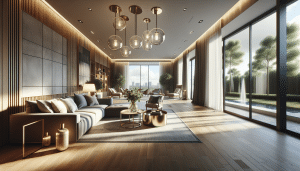
Color, light, and texture play major roles in supporting a minimalist aesthetic. Walls often serve as blank canvases painted in soft hues, creating a restful backdrop for daily life. Pops of color—such as a deep blue cushion or pastel wall art—can be strategically introduced to break up monotony and express personality. Lighting, both natural and artificial, is crucial. Large windows allow daylight to flood into rooms, highlighting the simplicity of the space. At night, soft ambient lights and carefully placed lamps ensure rooms feel inviting rather than stark.
Texture is another important yet subtle way to add comfort and depth. For example, a woven rug, linen curtains, or a chunky knit throw can soften the lines of minimalist rooms. The use of tactile elements ensures that simplicity never becomes sterile. Each piece is chosen for its visual and sensory contribution, resulting in spaces that are cozy as well as refined. Indoor plants provide color and texture, purifying air while introducing organic shapes that soften geometric lines (Source: https://www.greenbuildingsolutions.org/blog/sustainable-interior-design/).
Layering textures and varying light sources creates a dynamic, balanced ambiance. Good minimalist design balances openness with comfort. Visual rhythm—created through repetition or contrast—guides the eye gracefully through the space. Even within tight constraints, careful use of color and texture makes minimalist interiors engaging and deeply livable. For those who desire a calm retreat from hectic modern life, these design choices are both accessible and rewarding.
Building Mindful Routines and Lasting Habits
Minimalist trends extend beyond interiors and influence daily routines. Adopting small, mindful habits brings clarity and peace to everyday life. These might include setting routines for tidying up, consciously pausing before new purchases, and regular time for reflection in a calming corner of the home. These practices reinforce the idea that less can lead to more—more focus, more meaningful activities, more enjoyment of what’s present. In some homes, regular family meetings evaluate what is no longer needed, reinforcing minimalism as a shared, ongoing commitment.
Simplicity often leads to greater satisfaction in both home and life. Many find that focusing on essentials frees up time for hobbies, relationships, or travel. Minimalist routines might include capsule wardrobes or meal planning strategies that reduce stress and decision fatigue. Over time, these mindful systems transform not only the physical environment but also the overall sense of well-being. As people witness the long-term benefits of minimalism, such as more meaningful connections and reduced anxiety, the lifestyle becomes self-sustaining (Source: https://www.health.harvard.edu/blog/the-benefits-of-minimalism-and-tips-to-get-started-2020102121271).
Mindful living inside a minimalist home also paves the way for more mindful consumerism. Individuals grow increasingly conscious of which brands align with their values or offer long-lasting products. This selective approach yields a more intentional relationship with material goods and frequently improves financial stability, as unnecessary purchases decline (Source: https://www.nytimes.com/guides/smarterliving/how-to-declutter-your-home). In the long run, minimalist routines support a clear mind and peaceful daily experience.
Minimalism for Every Space: Adapting to All Lifestyles
Minimalist principles can be adapted to any living situation. Whether in a small urban apartment or a larger suburban house, anyone can benefit from streamlined design and clear routines. Apartments often require creative storage solutions and flexible furniture, while standalone homes might focus on open-plan layouts and integrating outdoor spaces. Regardless of size, the focus remains on intentional choices and a strong sense of purpose in every room design. By thinking creatively, families, singles, and roommates all find ways to align their spaces with minimalist values.
Minimalist homes may reflect local culture or personal flavor. Some incorporate vintage finds, while others are ultra-modern and spare. The movement’s flexibility makes it appealing globally. For renters, temporary design solutions— peel-and-stick wallpaper, portable shelving—enable minimalist expression without permanent changes. Seasonal swaps—like rotating art or textiles—freshen interiors without crowding them. This adaptability keeps minimalism relevant and practical, appealing to people at every stage of life.
Minimalism is not an all-or-nothing endeavor. Individuals can start with one room or category, gradually adjusting to suit their pace. Each effort, no matter the scale, moves the home closer to an ideal blend of calmness, functionality, and personal style. The minimalist trend continues to attract followers because of its flexibility and genuine capacity to change how people feel in their homes—sometimes in ways that are nothing short of transformative (Source: https://www.apartmenttherapy.com/minimalist-lifestyle-beginners-guide-367937).
References
1. American Psychological Association. (n.d.). Creating healthy homes. Retrieved from https://www.apa.org/topics/mental-health/healthy-homes
2. U.S. Department of Energy. (n.d.). Energy-efficient home design. Retrieved from https://www.energy.gov/energysaver/energy-efficient-home-design
3. Harvard Health Publishing. (2018). Why clutter can make you anxious. Retrieved from https://www.health.harvard.edu/mind-and-mood/why-clutter-can-make-you-anxious
4. Architectural Digest. (n.d.). The power of minimalist homes. Retrieved from https://www.architecturaldigest.com/story/minimalist-homes-design-trends
5. Green Building Solutions. (2022). Sustainable interior design. Retrieved from https://www.greenbuildingsolutions.org/blog/sustainable-interior-design/
6. The New York Times. (n.d.). How to declutter your home. Retrieved from https://www.nytimes.com/guides/smarterliving/how-to-declutter-your-home

 Surprising Startup Secrets You Rarely Hear About