You Might Transform Your Space With Minimalist Decor
Evangeline Keaton September 24, 2025
Discover how minimalist decor concepts can create serene, stylish spaces without clutter. Learn what inspires this design trend, practical steps for applying it, and the surprising benefits it may bring to your everyday life.
Unlocking the Minimalist Decor Mindset
Minimalist decor is more than an aesthetic—it’s a lifestyle that encourages intention and simplicity in every corner of your living space. Instead of focusing on quantity, the emphasis shifts to quality. Clean lines, neutral color palettes, and curated furnishings can rejuvenate even the busiest spaces, creating a haven that feels peaceful and open. Minimalism is about letting go of excess and inviting only what serves a purpose or sparks joy. In a world filled with overwhelming choices, adopting minimalist decor principles can help individuals reclaim a sense of clarity, promoting order in daily life and a more mindful approach to consumption. Many have found that integrating these ideas enhances both visual appeal and emotional well-being (Source: https://www.apa.org/monitor/2019/07-08/ce-corner).
What sets minimalism apart from other trends? It’s not just about what is visible, but also what is intentionally left out. Opting for fewer decorations, streamlined storage, and thoughtfully chosen artwork can shift the energy of a room. Light becomes a design element, flowing unfiltered through open areas and illuminating carefully positioned pieces. Furniture with dual purposes or hidden storage is a hallmark, maximizing function while preserving the clean aesthetic. This philosophy can extend to the entire home, from entryways to kitchens, offering a cohesive look that feels calm and purposeful.
Minimalist design also fosters sustainability. By investing in high-quality, timeless furnishings and reducing impulse buys, it aligns with eco-friendly values. Many sustainable home designers highlight that minimalist spaces often feature natural materials such as wood, stone, or linen—textures that bring warmth without visual distraction. This approach can promote not just a more organized home, but also a healthier planet. For those curious about eco-conscious living, minimalist decor may be one pathway to reducing a household’s environmental impact (Source: https://www.epa.gov/smm/sustainable-management-materials).
Decluttering Strategies for Effortless Style
One of the first steps to minimalist decor involves a thoughtful decluttering process. Letting go of unnecessary belongings is both liberating and challenging. Start by sorting through each room and identifying items that no longer serve a clear function or bring joy. It’s important to tackle this process mindfully—sentimental items should be considered carefully rather than impulsively discarded. Use boxes or bins to categorize things to donate, recycle, or keep. By committing to a decluttering system, homes transform gradually and purposefully. Decluttering is a practice, and many find that the act of releasing excess belongings lightens both their spaces and their minds (Source: https://www.mayoclinic.org/healthy-lifestyle/adult-health/in-depth/positive-thinking/art-20043950).
Effective storage solutions are an essential component of minimalist style. Look for multi-purpose furniture, hidden compartments, and modular systems that help maintain tidy surfaces. Avoid overcrowding cabinets and drawers—instead, embrace negative space as an integral element. Stylish baskets, sleek shelving, and under-bed storage can make a surprising difference in maintaining a streamlined environment. This focus on smart storage ensures that everyday necessities are easy to access, while keeping visual clutter out of sight.
Minimalism is not about deprivation; it’s about intentional living. Some people find it helpful to adopt a ‘one-in, one-out’ rule: whenever a new item enters the home, an old one leaves. This sustainable habit preserves harmony and prevents future accumulation of clutter. Minimalist experts often recommend reevaluating possessions seasonally to align surroundings with current needs. Adopting these decluttering techniques makes it easier to create an interior that feels fresh, modern, and manageable (Source: https://www.nytimes.com/guides/smarterliving/how-to-clean).
Choosing Color Palettes That Inspire Calm
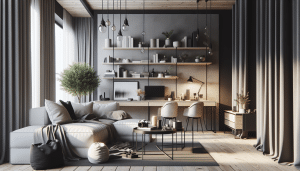
Color choice plays a central role in minimalist decor. Calm, neutral palettes—such as whites, beiges, and soft grays—can instantly make a room feel larger and more serene. These hues reflect natural light, enhancing the sense of openness. For those interested in soft color accents, a single muted tone or a touch of greenery creates visual interest without overwhelming the space. Studies in color psychology suggest that minimalist color schemes can reduce anxiety and promote relaxation, offering real mental health benefits in busy households (Source: https://www.psychologytoday.com/us/basics/color-psychology).
Texture provides depth in minimalist rooms where color is restrained. Think wool throws, linen cushions, or a simple woven rug. These subtle variations create warmth and dimension, preventing spaces from feeling cold or sterile. Texture layering keeps the eye engaged and brings a sense of comfort, reinforcing the idea that minimalist spaces can still be inviting and cozy despite a streamlined appearance.
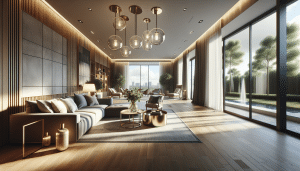
When applying a minimal palette, lighting becomes even more critical. Embrace natural daylight as much as possible by keeping window coverings simple and unobtrusive. In the evenings, use layered lighting—floor lamps, wall sconces, and candles—to support a restful atmosphere. The interplay of color and light in minimalist homes defines transitions between active and restful zones, helping create a dynamic but harmonious living experience (Source: https://www.houzz.com/magazine/the-fundamentals-of-lighting-in-minimalist-design-stsetivw-vs~155679711).
Functional Furniture for Modern Living
Minimalist furniture is about more than sleek lines—it’s about function meeting design. Pieces are chosen for their utility, durability, and understated beauty. Multi-functional sofas, extendable tables, and integrated storage units help maximize small spaces. By investing in expertly crafted furniture instead of filling a home with numerous items, individuals experience greater freedom of movement and a less crowded environment. The result is a home that feels organized yet warm, offering residents space to recharge.
It’s important to remember that minimalist does not mean empty. A thoughtfully arranged coffee table, a pair of sculptural chairs, or an elegant floating shelf can become focal points. These pieces are not just visually pleasing—they tell a story. Each furniture selection should enhance daily routines while echoing the decor’s overall simplicity. When every item earns its place, the entire room feels balanced and considered.
Sustainability plays a driving role in the modern minimalist movement. Many seek out locally sourced or upcycled furniture to minimize environmental impact. Timeless forms, natural materials, and neutral upholstery ensure that investments last for years and never fall out of style. This approach bridges the gap between aesthetics and ethics, highlighting how decor choices affect both personal well-being and the broader world.
Surprising Benefits of a Minimalist Home
Living in a minimalist space isn’t just visually satisfying—it’s also beneficial to mental health and daily habits. Research shows that organized, clutter-free environments help improve focus, sleep, and mood. Fewer distractions support a calmer mind. Over time, many find they have more energy for hobbies, relationships, and self-care as a result of reduced decision fatigue. Minimalist homes can become sanctuaries where residents truly unwind (Source: https://www.ncbi.nlm.nih.gov/pmc/articles/PMC7991075/).
Minimalism also has social benefits. Entertaining guests becomes easier and more enjoyable in an uncluttered space. The minimalist approach fosters meaningful gatherings—without distractions, conversations flow better and everyone feels more at ease. Integrating minimalist design has even been linked to improved productivity in home offices, a welcome outcome for many working remotely or balancing hybrid schedules.
Minimalist living encourages mindful consumption. Individuals become more intentional about purchases, reducing waste and saving money. The mindfulness cultivated by this practice can extend to other parts of life—diet, social media usage, and even relationships. These long-term shifts create a positive feedback loop, as less clutter leads to clearer thinking and healthier habits overall.
Personalizing Minimalism: Finding Your Style
Everyone’s minimalist journey is unique. Personal tastes, lifestyle needs, and cultural backgrounds all shape how the style is expressed. It’s common to add curated collections: a favorite vase, a piece of heritage art, or a stack of beloved books. These personal touches bring warmth and make the space reflect those who live there, blending minimalism with individuality.
Try experimenting with different elements—a bold-shaped chair, a monochrome gallery wall, or sculptural lighting fixture. Mix in greenery, which purifies air and softens sharp lines. Plants are one of the most popular additions to minimalist settings; their touch of natural color boosts mood and creates visual interest without cluttering the space.
Seasonal refreshes can also keep a minimalist home feeling dynamic. Swap lighter textiles for cozy ones in winter, or rotate artwork for a fresh perspective. The beauty of minimalist design is its adaptability: it can evolve as needs and tastes grow. This flexibility ensures that anyone embracing minimalist decor will always find new ways to make their home feel like their own.
References
1. American Psychological Association. (2019). Declutter your mind. Retrieved from https://www.apa.org/monitor/2019/07-08/ce-corner
2. U.S. Environmental Protection Agency. (n.d.). Sustainable management of materials. Retrieved from https://www.epa.gov/smm/sustainable-management-materials
3. Mayo Clinic. (n.d.). Positive thinking: Stop negative self-talk to reduce stress. Retrieved from https://www.mayoclinic.org/healthy-lifestyle/adult-health/in-depth/positive-thinking/art-20043950
4. The New York Times. (n.d.). How to declutter your home. Retrieved from https://www.nytimes.com/guides/smarterliving/how-to-clean
5. Psychology Today. (n.d.). Color psychology: What colors mean and how they affect you. Retrieved from https://www.psychologytoday.com/us/basics/color-psychology
6. National Center for Biotechnology Information. (2021). The impact of clutter on psychological well-being. Retrieved from https://www.ncbi.nlm.nih.gov/pmc/articles/PMC7991075/

 Secrets People Use for a Lush Lawn at Home