Why You Might Love Mixed Use Developments
Thaddeus Crowley September 26, 2025
Curious about why mixed use developments are drawing so much attention in real estate? This guide unpacks what makes these communities unique, what living or investing there involves, and how mixed use design is transforming cities. Discover essential insights for residents, investors, and urban enthusiasts.
Exploring Mixed Use Developments and Urban Living
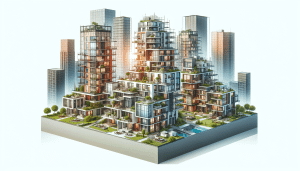
Mixed use developments combine residential, commercial, and sometimes public spaces all within one place. Imagine shopping, working, and relaxing—without driving across town. This concept of urban living is built around walkability and convenience for people of all ages. The increasing popularity of live-work-play neighborhoods is changing lifestyle choices and real estate demand. Mixed use neighborhoods often replace empty lots or old industrial sites, bringing vibrancy back to communities while featuring diverse housing options and business opportunities. Zoning and city planning regulations usually guide their design, helping to ensure positive impacts on the local economy and urban culture.
One of the main draws of mixed use developments is lifestyle flexibility. Residents typically have access to restaurants, entertainment, public parks, and retail within walking distance. This design encourages walking instead of driving, reducing car dependency and promoting healthier habits. A neighborhood coffee shop downstairs becomes a morning routine; a rooftop garden or park offers a green escape in the middle of the city. Public transportation and bike paths are often integrated, helping people commute or enjoy leisure activities more easily. These benefits have contributed to increased demand for mixed use communities among homebuyers and renters alike.
A closer look at how mixed use design supports sustainability reveals multiple gains. Local governments and city planners are often keen on these projects because they use land efficiently, decrease car emissions, and foster diverse, active streetscapes. Residents may notice a stronger sense of community since more daily interactions occur in shops, restaurants, and shared amenities. Mixed use developments tend to attract a variety of economic backgrounds, too, broadening opportunities for small businesses and cultural events. The result? Neighborhoods that feel dynamic and accessible, even as they grow over time.
Key Features Found in Mixed Use Communities
Certain hallmarks set apart mixed use developments from traditional neighborhoods. Retail shops, offices, and homes often share the same buildings or blocks. On the ground floor, it’s common to find cafes, grocery stores, or fitness centers, while apartments or condos rise above. This blend of uses makes neighborhood amenities more plentiful and accessible. Parking garages, bike storage, and public spaces like plazas or playgrounds add to convenience. Many communities have integrated smart home technology, energy-efficient appliances, and sustainable construction practices as well, to appeal to modern consumers and city leaders.
Mixed use design usually includes green spaces and public art, which help beautify the area and create a sense of belonging. Community centers, coworking spaces, and wellness facilities foster connections among residents and inspire social events. For people who work remotely or run a business from home, these shared environments offer valuable support and networking potential. Noise reduction and privacy are also considered in the architectural layout, thanks to creative solutions like rooftop gardens or sound-insulated walls between commercial and residential tenants.
Another essential feature is security and accessibility. Well-planned mixed use communities are often equipped with secure entry systems, accessible pathways, and ample lighting for public safety. Elevators, ramps, and clear signage make navigation easier for people with mobility challenges. Some developments offer on-site property management, concierge services, or package delivery lockers. All of these details contribute to a comfortable, inclusive experience for residents, visitors, and business owners alike.
Benefits of Living or Investing in Mixed Use Developments
For homebuyers, mixed use communities often mean a higher quality of life. The convenience of being able to shop, dine, or work without leaving the building appeals to individuals and families alike. These developments often see higher occupancy rates and strong resale potential. Investors tend to notice diverse revenue opportunities, as income streams come from both commercial and residential tenants. The presence of consistent foot traffic helps support businesses, making leases more appealing to retailers and restaurants.
Sustainability is another standout benefit for both investors and residents. Energy efficiency, shared resources, and environmentally friendly materials are a hallmark of many projects, which can reduce utility costs and environmental impact in the long term. Mixed use layouts are built with longevity in mind. As city demands change, retail spaces may be repurposed, or new amenities can be introduced without having to demolish or overhaul the whole development. Investment security also comes from diversification—if one part of the complex is slow, another may offset income loss.
Social interaction is naturally fostered when design brings neighbors closer together. Events, community markets, or fitness classes become part of daily life. Walkable streets and open plazas encourage casual encounters that build trust and camaraderie. Many people find that living in mixed use communities supports mental well-being by reducing stress, streamlining commutes, and eliminating the need for long trips for errands. For those who value accessibility, inclusivity, and urban vibrancy, these neighborhoods offer a modern way to connect and thrive.
What to Consider Before Choosing Mixed Use Living
Before moving in or investing, it’s useful to evaluate both the advantages and considerations unique to mixed use developments. For example, residents should be aware that sharing space with businesses brings activity and sometimes noise, especially during business hours. While many find these lively environments energizing, others may prefer quieter settings. Reviewing building rules and hours, assessing soundproofing, and understanding expected traffic are prudent steps for potential buyers or renters. Good property management teams will address these concerns in development plans and daily operations.
Parking and transit access are important factors. While mixed use communities generally provide some parking, the focus on walkability and transit may mean fewer spots than traditional housing. Prospective residents are encouraged to consider personal routines and review transit schedules, bike paths, or car-share programs available on-site. Accessibility for those with disabilities should not be overlooked, as well-designed communities go beyond minimum requirements to create welcoming spaces for all users.
Finally, understand the commercial landscape. Success in a mixed use setting depends on a steady mix of local businesses and committed residents. Watch for projects anchored by reputable brands, good occupancy rates, and active community programming. Asking about tenant turnover rates, commercial tenant stability, and long-term neighborhood plans can reveal the health and prospects of a particular development. Informed decision-making is key to a successful and enjoyable experience in these vibrant environments.
An Inside Look at the Future of Mixed Use Neighborhoods
Urban development trends reveal that mixed use communities are here to stay. Local governments and planners are investing in these models to support sustainability, social integration, and economic resilience. Innovations in architecture and land use policy continue to make these projects more adaptable and inviting. For city leaders, mixed use means revitalized spaces—formerly underutilized parcels become lively centers of growth. Technological advances in construction and energy make these projects smarter, greener, and more user-friendly than ever. Residents, meanwhile, see their quality of life rise, supported by services and amenities tailored to their evolving needs.
There is also movement toward creative funding partnerships and equity programs to ensure these neighborhoods remain accessible across income levels. Public-private collaborations, grants, and community advocacy play significant roles. Zoning regulations and building codes are evolving, too, supporting flexibility and diversity in what can be built and where. As populations shift and urbanization grows, mixed use will likely become an anchor for future housing solutions.
Staying informed is crucial for both residents and investors interested in these opportunities. Keeping up with local planning board updates and city council meetings can provide previews of upcoming projects or planned expansions. Real estate professionals, architects, and urban planners can help decode changing regulations and guide buyers to communities that balance lifestyle, investment value, and sustainability. For anyone considering mixed use living, the future holds abundant possibilities for connection and growth in these modern urban centers.
References
1. Urban Land Institute. (n.d.). Mixed-Use Development: Ten Principles. Retrieved from https://uli.org/research/publications/reports/ten-principles-for-successful-mixed-use-development/
2. United States Environmental Protection Agency. (n.d.). Smart Growth and Mixed-use Development. Retrieved from https://www.epa.gov/smartgrowth/smart-growth-and-mixed-use-development
3. National Association of Realtors. (n.d.). Mixed-Use Properties. Retrieved from https://www.nar.realtor/commercial/mixed-use-properties
4. National League of Cities. (n.d.). The Case for Mixed-Use Development. Retrieved from https://www.nlc.org/article/2017/09/29/the-case-for-mixed-use-development/
5. American Planning Association. (n.d.). Mixed Use Zoning. Retrieved from https://www.planning.org/divisions/planningandlaw/propertytopics/mixeduse.htm
6. Congress for the New Urbanism. (n.d.). Creating Walkable Urban Places. Retrieved from https://www.cnu.org/resources/tools/creating-walkable-urban-places

 Smart Ways You Could Save on Home Buying Costs