Why Lifelong Learning Shapes Every Generation
Evangeline Keaton December 2, 2025
Curious about lifelong learning? Discover how this approach enhances personal growth, bridges skills gaps, and influences society. This guide reveals practical tips for embracing ongoing education and the societal benefits that come with it.
Embracing Lifelong Learning in Modern Society
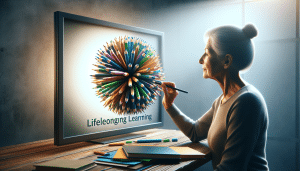
Lifelong learning is more than a buzzword. It describes the ongoing, voluntary pursuit of knowledge for both personal and professional development. With rapid technological advancements, updating one’s skills is not simply advantageous—it is necessary. From exploring new career paths to mastering hobbies, lifelong learning drives curiosity and adaptability. The workplace increasingly values individuals who proactively engage in continuous learning to stay relevant, making it a key strategy in building resilience against automation and shifting job markets.
This learning extends far beyond the classroom. People join online courses, attend workshops, and tap into community learning hubs. The rise of digital learning platforms has transformed accessibility, making high-quality courses available to anyone with internet access. As a result, more adults than ever are able to upskill, reskill, and pivot careers, bridging gaps between current abilities and emerging industry needs. Whether seeking to stay competitive or pursue personal enrichment, lifelong learning presents new opportunities at every stage.
The cultural impact is meaningful. Societies that foster lifelong learning tend to have higher civic engagement and stronger innovation. This educational mindset supports not only personal goals but community well-being, encouraging informed decisions and participation. In fact, educational equity is promoted when all generations have access to ongoing development, making lifelong learning a cornerstone for progressive, adaptable communities that thrive amid constant change.
The Benefits of Lifelong Learning for Individuals
Continuous education has powerful personal benefits. Studies suggest that those who engage regularly in learning activities experience better cognitive function and mental agility. For older adults, lifelong learning can even delay age-related decline and promote brain health. Curiosity becomes a habit, fostering creativity and critical thinking skills that are invaluable in both personal and professional scenarios (see also analysis from Harvard University: https://www.health.harvard.edu/blog/more-reasons-to-keep-lifelong-learning-201602239207).
People who pursue lifelong learning often report higher levels of job satisfaction and career advancement. As the job market changes, skill renewal becomes essential to maintain employability. Many free educational programs from accredited institutions help individuals bridge skill gaps efficiently. Lifelong learning also enhances digital literacy, empowers people to navigate new systems, and fosters adaptability in the face of uncertainty and change. The positive emotional impact—boosted confidence and well-being—is significant.
But the rewards don’t stop at work. Exposure to different cultures, critical social issues, and innovative ideas helps broaden perspectives. This process promotes tolerance and empathy, leading to better communication and relationships. Research consistently shows that lifelong learners are more likely to engage in their communities, volunteer, and participate in civic life—which in turn benefits society overall (demonstrated in Pew Research Center findings: https://www.pewresearch.org/internet/2016/03/22/lifelong-learning-and-technology/).
Technology’s Role in Expanding Learning Opportunities
Modern technology has democratized learning. Access to MOOCs—massive open online courses—now lets millions explore accredited topics at a pace that suits their lifestyles. Universities, nonprofit organizations, and digital start-ups have created platforms enabling skill acquisition in sectors ranging from coding to language, graphic design, and data science. Tools like Coursera, OpenLearn, and edX offer structured courses, often at little or no cost, supporting users’ lifelong learning journeys (https://www.open.edu/openlearn/; https://www.edx.org/).
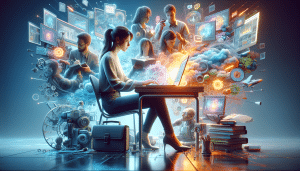
The convenience of online learning is unparalleled. Mobile devices have become classrooms, making microlearning—the consumption of knowledge in quick bursts—part of the daily routine. This flexibility addresses common barriers such as time constraints and travel costs, enabling more inclusive participation. For those without traditional degrees, technology bridges gaps, offering credentialing options and pathways to new careers. Interactive tools, forums, and adaptive software personalize the experience, making it engaging for different learning styles.
Educators also embrace technology to reach wider audiences and support remote learning. Podcasts, webinars, virtual study groups, and digital libraries expand the range of materials and resources available to learners everywhere. The pandemic accelerated innovation in educational technology, and many advances remain a permanent part of distance education strategies. This broad access contributes to a smarter, more adaptive society where everyone has the chance to grow and evolve alongside technology.
Building Skills for the Future Workforce
Rapid change in the job market puts a premium on transferable skills. Employers increasingly value critical thinking, collaboration, creativity, and digital literacy—skills nurtured by continuous education. As automation transforms industries, upskilling and reskilling become crucial for career resilience. Lifelong learning helps people pivot into in-demand professions, adapt to remote or hybrid work, and embrace entrepreneurial ventures. Programs in data analytics, communication, and leadership are popular pathways accessible through online education and community initiatives.
Traditional degrees remain important, but the skills economy rewards those who favor practical, hands-on development and flexible credentials. Many forward-thinking organizations encourage lifelong learning by providing stipends, partnerships with course providers, and workplace seminars. Such investments don’t just strengthen individual employees, but also boost organizational innovation. Lifelong learning supports a culture of experimentation and adaptability crucial for maintaining relevance in a rapidly shifting economy (U.S. Department of Education resource: https://www.ed.gov/LearnLifelong).
Social inclusion also improves. Skill-building initiatives target underrepresented groups, providing pathways to economic participation and growth. As more communities embrace inclusive lifelong education, the workforce becomes more diverse, resilient, and dynamic. The journey of skill acquisition continues to evolve, with self-paced programs offering tailored approaches to a wide range of learners—from recent graduates to retirees exploring second careers.
The Social Impact of Lifelong Learning
Lifelong learning goes well beyond the classroom walls. When communities promote a learning culture, social cohesion increases. Citizens become more engaged, contributing ideas, volunteering for causes, and fostering mutual respect. Educational experiences heighten awareness of civic duties and social justice, prompting active involvement in political, environmental, and cultural initiatives.
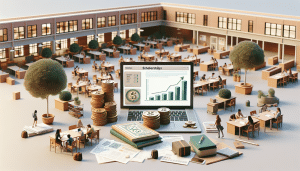
Barriers such as economic status, geographical location, or physical abilities can limit access. However, public libraries, community colleges, and nonprofit organizations have become crucial partners in widening participation. By offering reading programs, skills courses, and open internet access, these organizations empower people of all backgrounds. This results in higher rates of employment, reduced social inequality, and greater opportunity, as seen in research from Learning Policy Institute (https://learningpolicyinstitute.org/product/linked-learning-brief).
The ripple effects are profound. Families that prioritize learning create multigenerational change. Parents who pursue education inspire children to adopt a similar mindset, resulting in a cycle of empowerment. Collective learning strengthens democratic values, encourages critical discourse, and establishes trust in social systems. When combined, these factors create vibrant societies where all individuals can actively participate and thrive.
Overcoming Challenges and Making Lifelong Learning Accessible
Despite the proven advantages, not everyone finds it easy to continue learning. Barriers such as cost, digital literacy, and time can stand in the way. Solutions include open-access programs, affordable digital courses, and resources provided through libraries or government initiatives. Some organizations subsidize tuition or provide internet access to bridge the digital divide, as highlighted by various federal and non-profit programs (https://www.digitalliteracy.gov/).
Motivation can also be a hurdle. For many adults, balancing learning with work and family commitments is challenging. Strategies to overcome this include setting small, attainable goals, seeking support from learning communities, and celebrating incremental achievements. Social interaction and mentorship are powerful motivators, helping people stay accountable and inspired through the inevitable frustrations and setbacks that happen during new learning experiences.
Policy initiatives play a role as well. Governments and educational institutions have begun developing frameworks to promote accessible, affordable lifelong education. Public investment and collaborative projects raise awareness around the need for continuous development and create more inclusive pathways for everyone. By removing structural barriers and promoting an open mindset, lifelong learning moves from an individual goal to a shared societal mission—benefiting all.
References
1. Pew Research Center. (2016). Lifelong Learning and Technology. Retrieved from https://www.pewresearch.org/internet/2016/03/22/lifelong-learning-and-technology/
2. Harvard Medical School. (2016). More reasons to keep lifelong learning. Retrieved from https://www.health.harvard.edu/blog/more-reasons-to-keep-lifelong-learning-201602239207
3. Open University. (n.d.). OpenLearn: Free learning from The Open University. Retrieved from https://www.open.edu/openlearn/
4. edX. (n.d.). Access 2000 free online courses from 140 leading institutions worldwide. Retrieved from https://www.edx.org/
5. Learning Policy Institute. (2016). Linked Learning: Using Learning Time Outside the School Day for College and Career Success. Retrieved from https://learningpolicyinstitute.org/product/linked-learning-brief
6. U.S. Department of Education. (n.d.). Lifelong Learning. Retrieved from https://www.ed.gov/LearnLifelong

 Ways You Can Travel the World Without Breaking the Bank