Unlock Secrets of Healthy Gut for Your Wellbeing
Evangeline Keaton November 3, 2025
Discover how a healthy gut can influence digestion, mood, immunity, and more. This guide helps you understand why gut health matters and reveals practical steps to support your digestive wellness using reliable, evidence-based information.
The Gut Microbiome’s Role in Wellness
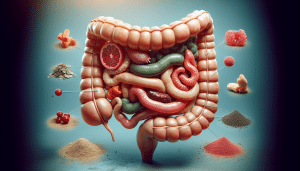
The term ‘gut microbiome’ has become a focus of modern health discussions, often cited as a foundation for overall wellness. Inside your digestive tract lives a bustling ecosystem of trillions of bacteria, fungi, and microbes. These organisms don’t just help break down food. They also influence everything from immune system responses to neurotransmitter production. Many experts now recognize that the relationship between humans and this microscopic community shapes health in subtle yet critical ways. Recent research even suggests that gut bacteria diversity correlates with better digestion, mood balance, and resistance to illness. Preserving this healthy balance begins with understanding the gut’s importance in health (Source: https://www.nih.gov/news-events/nih-research-matters/what-we-know-about-microbiome).
Everyone’s gut microbiome is unique, shaped by genetics, diet, medication, environment, and lifestyle. In fact, imbalances—sometimes called dysbiosis—have been linked to digestive discomfort, skin concerns, obesity, and even metabolic disorders. Factors such as antibiotics or a heavily processed diet can disrupt this balance by wiping out beneficial bacteria. Meanwhile, diets rich in fiber, fermented foods, and fresh fruits and vegetables encourage beneficial microbes to thrive. Cultivating diverse, robust microbes may help support your body’s natural processes and contribute to resilience against common health complaints.
The gut’s impact extends well beyond digestion. It also plays a crucial role in producing vital vitamins like B12 and K, modulating immunity, and communicating with the brain via the gut-brain axis. This means daily gut-friendly choices can ripple out in surprising ways, affecting energy, focus, and emotional wellbeing. By nurturing your gut, you’re not just supporting regularity—you’re laying the groundwork for long-term health, improved mood, and enhanced immune defense (Source: https://www.ncbi.nlm.nih.gov/pmc/articles/PMC5641835/).
Signs of an Imbalanced Gut
Gut health can sometimes be a silent struggle, but there are signals worth noticing. Common signs of gut imbalance include bloating, gas, constipation, or unexplained diarrhea. Skin changes—such as increased breakouts or eczema—may also emerge in response to an altered microbiome. Interestingly, fatigue, frequent colds, and changes in appetite can reflect underlying gut issues that are not immediately easy to spot. These signals offer valuable clues that your body’s internal ecosystem could use some support.
The connection between gut health and mental state is another key sign. Researchers have revealed strong links between the microbiome and mood, with ongoing studies suggesting dysbiosis might influence anxiety, depression, or irritability. This is due to the gut’s role in producing neurotransmitters—including around 90% of the body’s serotonin. If mood swings or persistent sadness seem to coincide with digestive complaints, paying attention to gut health may reveal new approaches for emotional wellness.
Food intolerances—or developing new sensitivities to items you previously tolerated—can also indicate changes in gut flora. For instance, people sometimes find that dairy, gluten, or certain fibers trigger discomfort or digestive upset. While food sensitivities should always be evaluated by health professionals, restoring the gut microbiome through diet and lifestyle can sometimes reduce these reactions. If you notice multiple symptoms, consider tracking your experiences, which can be helpful when seeking advice from healthcare providers. (Source: https://www.cdc.gov/foodsafety/communication/symptoms.html).
Everyday Foods That Benefit Gut Health
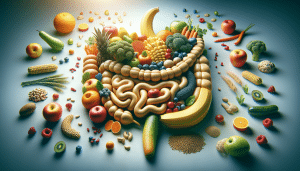
Diet is a powerful ally when it comes to nurturing a healthy gut. Fiber-rich foods, like whole grains, beans, lentils, and vegetables, provide fuel for helpful bacteria. These items create a nurturing environment within the colon, where microbes break down fibers into short-chain fatty acids that soothe inflammation. Alongside fiber, fermented foods such as yogurt, kefir, sauerkraut, miso, and kimchi offer probiotics—live organisms that replenish the microbiome and support digestive comfort (Source: https://www.hsph.harvard.edu/nutritionsource/healthy-gut-microbiome/).
Colorful fruits—think blueberries, apples, and bananas—deliver antioxidants and polyphenols that stimulate gut health. Bananas also contain prebiotics, which act as food for good bacteria. Polyphenols, found in berries, olives, and dark chocolate, enhance the growth of beneficial microbes and can help maintain balance even in the face of stress or illness. Including a rainbow of produce ensures you’re feeding your gut the wide variety it needs to flourish.
Hydration also matters. Water keeps digestion flowing and supports the mucosal lining of the intestines. Lean proteins, such as skinless poultry and fish, add essential nutrients without taxing the gut. Meanwhile, limiting processed foods, added sugars, and excessive red meat fosters an environment where your beneficial gut bacteria can truly shine. Small, consistent changes in these dietary habits yield big rewards, supporting both comfort and resilience.
How Stress and Sleep Impact Your Gut
Gut wellness extends well beyond the kitchen—stress and sleep are unsung influences on digestive balance. Chronic tension or anxiety can disrupt gut barrier function and promote the growth of unfavorable bacteria. This can trigger cycles of stomach discomfort, bloating, or even temporary changes in appetite. Mind-body techniques such as meditation, yoga, or deep breathing have been shown in studies to improve gut comfort and ease symptoms of digestive distress by calming the nervous system.
Sleep is another major player, often overlooked. Poor or irregular sleep can affect the regular rhythm of gut activity and alter the proportion of key microbiome species. Missing out on rest makes the gut more vulnerable to inflammation and can increase cravings for unhealthy foods, fueling a vicious cycle. Prioritizing consistent sleep and practicing good “sleep hygiene”—like establishing a routine and limiting screens before bed—strikes a powerful balance for gut and mind alike (Source: https://www.sleepfoundation.org/physical-health/how-sleep-affects-your-gut-health).
Because both stress and sleep impact hormone production, their effects can reach far beyond digestion. For example, imbalances in cortisol (the stress hormone) can weaken gut walls, making the body more sensitive to triggers or infections. Conversely, restful sleep enhances the body’s repair processes, including those in the gut lining. By nurturing both mental wellness and sleep quality, individuals can create a positive feedback loop that strengthens digestive functions and supports broader wellbeing.
Science-Backed Lifestyle Changes for Digestive Wellness
Beyond food and mood, simple lifestyle routines can provide additional gut support. Regular physical activity, such as walking or swimming, helps stimulate intestinal muscles and improves digestion. Even moderate exercise—20 to 30 minutes a day—has been linked to increased microbial diversity and reduced symptoms of discomfort. Staying active also elevates your mood, adding a second layer of benefit for gut-brain harmony (Source: https://www.cdc.gov/physicalactivity/basics/health-benefits/index.htm).
Minimizing unnecessary medications, especially antibiotics, preserves good bacteria. If antibiotics are essential, experts suggest balancing them with probiotic-rich foods to maintain microbiome diversity. Consulting healthcare providers about side effects or potential interactions can be helpful for anyone experiencing gut side effects. Smoking cessation and limiting alcohol further protect gut integrity, since these substances can damage helpful bacteria and the gut lining over time.
Lastly, maintaining mindful eating habits—like eating slowly, chewing thoroughly, and tuning into fullness cues—enhances the mechanical and chemical processes of digestion. These small rituals allow the gut adequate time to signal satisfaction to the brain, helping you avoid overeating and discomfort. Combined with personalized dietary choices and balanced routines, these tips can help anyone nurture a thriving digestive system for decades to come.
When to Seek Professional Advice
Recognizing the signals your body sends can shape your daily habits, but some situations call for expert input. Persistent digestive discomfort, unexplained weight loss, severe abdominal pain, or blood in stool should always be assessed by a qualified medical professional. Such symptoms may indicate underlying conditions that require dedicated care and testing. Listening to your body is wise—ignoring symptoms can delay needed treatment or guidance.
Specialists such as gastroenterologists are trained to help diagnose and address complex digestive problems. They use advanced techniques—from diagnostic imaging to allergy testing—to uncover issues that may not be visible on the surface. Nutritionists and registered dietitians can provide tailored guidance on which foods support your specific needs, whether you’re managing chronic illness or simply aiming for a healthier microbiome.
Combining at-home gut-supportive habits with regular check-ins from trusted health professionals offers a balanced path. Professionals can identify early warning signs or reassure you that changes are within the range of normal. By working together with healthcare providers, individuals can develop sustainable gut-friendly routines and navigate any challenges with confidence. (Source: https://www.gastro.org/practice-guidance/gi-patient-center/topic/gut-health).
References
1. National Institutes of Health. (n.d.). What we know about microbiome. Retrieved from https://www.nih.gov/news-events/nih-research-matters/what-we-know-about-microbiome
2. National Center for Biotechnology Information. (n.d.). Gut microbiota: Introduction and impact on health. Retrieved from https://www.ncbi.nlm.nih.gov/pmc/articles/PMC5641835/
3. Centers for Disease Control and Prevention. (n.d.). Symptoms of foodborne illness. Retrieved from https://www.cdc.gov/foodsafety/communication/symptoms.html
4. Harvard T.H. Chan School of Public Health. (n.d.). The nutrition source: Healthy gut microbiome. Retrieved from https://www.hsph.harvard.edu/nutritionsource/healthy-gut-microbiome/
5. Sleep Foundation. (n.d.). How sleep affects your gut health. Retrieved from https://www.sleepfoundation.org/physical-health/how-sleep-affects-your-gut-health
6. American Gastroenterological Association. (n.d.). GI patient center: Gut health. Retrieved from https://www.gastro.org/practice-guidance/gi-patient-center/topic/gut-health

 Why Quantum Computing Could Change Everything You Know