Unlock Home Decor Trends That Transform Your Space
Evangeline Keaton October 23, 2025
Explore the fascinating world of home decor trends that elevate living spaces. From minimalist design principles to smart luxury, this guide unpacks how you can foster comfort, style, and function. Discover practical inspiration to refresh your interior and optimize your sanctuary for everyday well-being.
Finding Your Personal Style in Home Decor
Personal style in home decor can be both exciting and intimidating to define. Everyone craves a space that feels authentically them, yet the vast range of interior design ideas makes the process complex. Begin by considering what truly appeals to you—textures, patterns, and color palettes that spark joy or evoke comfort. Home decor trends shift often, but creating a sense of sanctuary starts with honoring your individual preferences. Try browsing design platforms or visiting stylish showrooms, noticing which features you’re naturally drawn toward. A curated home not only boosts mood but also subtly communicates your story and personality to visitors.
Once you outline your taste, make practical decisions about integrating it with high-traffic areas and private corners. Balance aesthetic goals with livability, focusing on functionality alongside beauty. For instance, if you enjoy eclectic boho vibes, combine vintage finds and bold colors, but also keep traffic flow and storage needs in mind. Review trending aesthetics, such as Scandinavian minimalism or Japandi interiors, for ideas that blend harmony, simplicity, and efficiency. It’s less about copying magazine spreads and more about mixing current influences into your natural style foundation.
Experimentation is an essential part of finding your interior identity. Explore mood boards, rearrange furniture, or play with statement art. Don’t fear change—successful decor is often an ongoing evolution. Listen to your instincts: Sometimes, an unexpected throw pillow or a quirky side table can make a room shine. Above all, celebrate your progress. Home should tell your unique story—a haven assembled piece by piece, season after season.
Minimalism Meets Comfort: Less is Still More
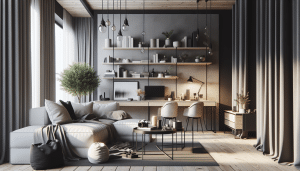
Minimalism is a beloved trend in home decor, offering clarity and breathing space for modern living. But today’s approach to minimalist design focuses less on starkness and more on comfort. Streamlined furniture, neutral color palettes, and natural textures appear throughout minimalist rooms, creating a calming ambiance that soothes the senses. Instead of empty spaces, aim for intentional simplicity: Think clutter-free surfaces, softly layered textiles, and thoughtful lighting that brightens rather than overwhelms. Minimalist home decor trends encourage the selection of quality over quantity, allowing each piece to stand out and contribute to the overall peacefulness.
Bringing comfort into minimalist settings means embracing coziness without visual chaos. Incorporate plush rugs, oversized cushions, or tactile throws on sleek sofas. Soft, diffused light creates warmth. Consider smart storage—hidden cabinetry or floating shelves maximize space and maintain a neat appearance. Focus on materials such as wood, wool, and stone, which make spaces feel inviting while supporting a serene atmosphere. The goal isn’t austerity; it’s crafting a setting where you can unwind and recharge amid gentle surroundings.
Minimalism also opens doors for mindful living. By paring down possessions and distractions, individuals report increased focus and reduced stress. Start with a small decluttering project and gradually work through the home. It’s not about perfection but about curating a lifestyle. Your living environment becomes easier to maintain and reflect upon, paving the way for clarity in other aspects of life. Minimalism invites you to celebrate the essentials—making every item count and every space feel open.
Biophilic Design: Bringing Nature Indoors
Biophilic design is transforming home decor trends by integrating elements of nature into interior spaces. Research suggests that regular contact with greenery can boost mood, support well-being, and enhance creativity. Living walls, potted plants, and botanical prints are some ways to add a natural touch to any room. Even compact apartments can benefit from a few leafy companions or natural materials like bamboo and rattan. The effect? Homes feel airy, refreshing, and harmonious, inviting nature’s calm right inside the door.
Natural light is equally important in biophilic interiors. Maximize sunlight with sheer curtains, mirrors that amplify brightness, and layouts that avoid blocking windows. Consider integrating water features, such as tabletop fountains, for a tranquil ambiance. Scented diffusers with earthy fragrances like cedar or eucalyptus can simulate an outdoor feel even in city dwellings. The blend of greenery, daylight, and organic textures fosters a retreat from digital overload, encouraging gentle transitions from daily stress to rest.
Eco-consciousness sits at the heart of biophilic design. Opt for sustainably sourced decor items whenever possible and invest in air-purifying plants that improve indoor environments. Some households combine edible herbs with decorative greenery in kitchen spaces, supporting healthy cooking and adding vibrant color. Recycled or locally crafted furniture also complements this approach. The biophilic trend isn’t just beautiful; it’s a conscious choice, connecting everyday living with greater respect for nature’s rhythms.
Smart Living and Functional Spaces
The evolution of technology has revolutionized home decor possibilities, ushering in the era of smart living. Modern fixtures, voice-activated lighting, and multifunctional furniture all meet the dual challenge of beauty and efficiency. For example, a compact sofa-bed in a studio apartment or sleek shelving that conceals charging stations. Integrated smart home systems can even automate temperature, lighting, or security, offering peace of mind as well as convenience. Adopting smart elements doesn’t mean losing warmth—designers are blending technology into cozy, inviting spaces.
Functional spaces are crucial in today’s home design trends. Open-concept kitchens flow into living areas, supporting social gatherings or adapting for work-from-home routines. The rise of dedicated home offices reflects both necessity and comfort, with ergonomic chairs and adjustable desks becoming must-haves. Think about adaptable layouts—accent walls double as storage, or nooks are transformed into reading corners. Hidden storage solutions ensure that even small apartments feel uncluttered and welcoming.
Smart decor is also about anticipating change. Furniture on wheels, modular shelving, and convertible pieces allow for quick shifts between work and relaxation. This flexibility enables homes to meet the demands of modern life, supporting hobbies, remote work, or family needs. Ultimately, well-planned spaces foster joy and productivity, proving that style and substance can harmoniously coexist in everyday living.
Color Therapy: Mood-Boosting Palettes for Every Room
Choosing the right color palette is more than aesthetics—color psychology can significantly impact everyday mood. Vibrant yellows and greens energize kitchens or workspaces, fostering creativity and focus. Meanwhile, soothing blues and gentle greys help bedrooms or lounges feel restful and serene. Don’t overlook trending earthy tones—warm terracotta, sage, and sand create grounded, inviting spaces. Adopting emerging color themes can give your home a fresh look while aligning with deeper emotional wellness goals.
Experimenting with color doesn’t have to mean a complete overhaul. Accent walls, throw pillows, or area rugs serve as playful opportunities to introduce new shades. Gradual progression—swapping out decor items or moving pieces between rooms—helps you discover what feels best. Designs that layer different hues from the same color family build dimension while supporting visual harmony. For those who prefer neutrals, consider subtle undertones or texture-rich accessories for understated contrast.
Light also plays a role in how colors appear and influence emotions. North-facing rooms feel cozier with warmer oranges, reds, or golds. Sun-filled spaces come alive with cool tones that balance brightness. Consider how natural and artificial lighting interacts with paint finishes and fabrics—a subtle, mindful approach can shift the energy in a space, nurturing comfort and well-being year-round.
Slow Decorating: The Joy of Curating Over Time
Slow decorating is gaining attention among those who value thoughtful, intentional design. Rather than rushing toward a picture-perfect finish, this philosophy encourages gradual collection and real connection to each object. Affordable finds, heirlooms, or travel treasures are blended with current home decor trends for depth and history. This approach minimizes waste and invites an evolving sense of joy as homes adapt along with their inhabitants’ lives and stories.
It’s easy to feel pressure to have every detail in place. But slow decor prioritizes sustainability and authenticity. Start with essential pieces or base layers, then expand as you discover unique items that speak to you. Over time, a personal style emerges—one that can’t be replicated by fast furniture chains or catalog sets. The journey matters as much as the outcome, turning each room into a memoir.
Curating a home over time also encourages stronger financial decisions and greater creative exploration. Decisions become more mindful: Should this piece stay or go? Does it elevate daily life? As you reflect, your surroundings evolve into a meaningful tapestry rather than a fleeting trend. Decorating, in this way, becomes a lifelong companion—responsive to change and uniquely yours to treasure.
References
1. American Psychological Association. (n.d.). The powerful impact of color on mood. Retrieved from https://www.apa.org/topics/color
2. International WELL Building Institute. (2021). Biophilic design and wellness. Retrieved from https://www.wellcertified.com/resources/biophilia
3. U.S. Environmental Protection Agency. (2023). Creating healthy indoor environments. Retrieved from https://www.epa.gov/indoor-air-quality-iaq
4. Harvard T.H. Chan School of Public Health. (n.d.). Benefits of greenery in interior spaces. Retrieved from https://www.hsph.harvard.edu/news/hsph-in-the-news/plants-mental-health/
5. U.S. Department of Energy. (2022). Smart homes and indoor environmental quality. Retrieved from https://www.energy.gov/eere/buildings/articles/smart-homes-and-indoor-environmental-quality
6. National Institute of Building Sciences. (2020). The case for healthy and sustainable design. Retrieved from https://www.nibs.org/news/designing-healthy-resilient-buildings

 Quantum Computing Could Change Everything You Know