Travel Destinations That Inspire Learning
Percival Thorn September 30, 2025
Travel becomes deeper and more meaningful when the trip’s purpose includes learning—about culture, history, nature, or skills. Travel destinations that inspire learning turn curiosity into structured experiences: field courses, workshops, guided cultural programs, and reflective travel that promote lasting cognitive and emotional growth. Recent research shows educational travel leads to measurable gains in motivation, empathy, and lifelong learning attitudes.
What Is Educational Travel?
Educational travel ranges from school field trips and university study-abroad programs to adult workshops, cultural-immersion tours, and science or language expeditions. These trips emphasize hands-on experiences—site visits, local mentorship, and reflective practice—that create deeper knowledge than passive sightseeing. Studies summarize educational travel as experiential learning that improves academic motivation and transferable life skills. ScienceDirect+1
How Learning Happens on the Road
Learning while traveling is active: observation, guided interpretation, and practice replace passive consumption. Learners connect theory (history, ecology, language) with sensory experiences—walking ruins, attending rituals, or examining geological formations. Reflection after each experience (journals, group debriefs) turns experience into lasting knowledge. Research indicates that structured reflection amplifies the educational value of short-term travel. ScienceDirect
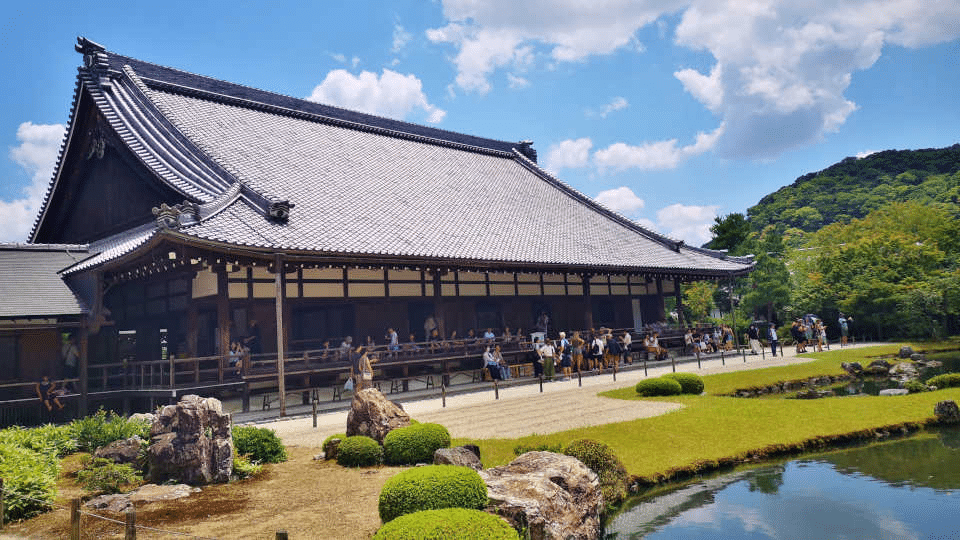
Kyoto: Living Classroom for Culture and Tradition
Kyoto offers accessible, hands-on culture: tea ceremonies, calligraphy classes, and living-history tours provide direct entry into Japanese traditions. Participating in a tea ceremony or kimono workshop teaches etiquette, history, and aesthetic principles simultaneously—an embodied learning experience that textbooks can’t replicate. Local culture centers and guided experiences make Kyoto a top pick for travel destinations that inspire learning. Kangetsu Kyoto
Machu Picchu: Archaeology, History, and Conservation in One Site
Machu Picchu is more than a postcard; it’s a case study in ancient engineering, landscape management, and heritage conservation. As a UNESCO World Heritage Site, the citadel demonstrates how culture and environment interact—perfect for students of archaeology, history, and conservation science. Visiting with a guide or as part of a structured program connects on-site interpretation with broader lessons about preservation and responsible tourism. Центр Всемирного наследия ЮНЕСКО
Rishikesh: Yoga, Philosophy, and Experiential Wellness Learning
Rishikesh is often called a global hub for yoga teacher training and spiritual study. Retreats and accredited teacher-training courses there blend practice with philosophy, meditation, and community service—making the town a powerful destination for experiential learning in wellness, mind–body practice, and cultural studies. Many formal programs and short courses allow travelers to return home with both credentials and practice-based insights. BookRetreats.com+1
Iceland: Geology, Climate Science, and Geoheritage Education
Iceland is essentially an open-air geology lab: glaciers, volcanic formations, geysers, and rift zones are all accessible and interpretable. Geotourism programs and university field trips use Iceland’s landscapes to teach earth science, climate change adaptation, and geopark management. For learners interested in natural systems, Iceland offers immersive lessons that combine observation, instrumentation, and place-based interpretation. MDPI+1
Museums and Cities That Double as Classrooms
Urban destinations—Berlin, London, Washington D.C., and Mexico City—host world-class museums, archives, and cultural institutions that make civic history and art tangible. Curated tours, behind-the-scenes programs, and museum education departments offer workshops and seminars for visitors. These cities are ideal for interdisciplinary travel where art, politics, and technology converge into structured learning modules. nea.org
Language Immersion Destinations for Practical Learning
Language learning is accelerated when study occurs in context—living with host families, attending local classes, and practicing daily. Cities such as Salamanca, Buenos Aires, and Kyoto (for Japanese) pair cultural immersion with language programs that create real-world practice opportunities. Travelers return not only with new vocabulary but with cultural fluency that supports deeper understanding. Rustic Pathways
Design Your Trip With Learning Goals in Mind
To get the most from travel destinations that inspire learning, set clear objectives: skills to gain, topics to study, or attitudes to cultivate. Choose programs that include expert guides, structured reflection (journals, debriefs), and local partnership. Mixing formal courses with free exploration ensures both guidance and serendipity—key components of effective learning travel. Wiley Online Library
Balancing Hands-On Practice and Contextual Study
Effective educational travel combines practical tasks (archaeological digs, language tutoring, field sampling) with contextual study: lectures, museum visits, and community conversations. That balance helps learners apply theory and understand the social, political, and ecological dynamics at play. Program designers increasingly embed community-based projects to ensure relevance and reciprocity. ScienceDirect
Responsible and Ethical Learning Travel
Learning travel should leave positive footprints. Choose providers that respect local communities and conservation priorities. For heritage sites like Machu Picchu, follow quotas, use certified guides, and support local economies to preserve sites for future learners. Ethical travel amplifies learning by modeling stewardship and cultural respect. Le Monde.fr+1
Virtual and Hybrid Options for Broader Access
When travel isn’t possible, virtual field trips and hybrid programs extend access to experiential learning. Many museums and geoscience programs now offer virtual labs, interactive tours, and synchronous workshops that approximate on-site learning. These formats can also serve as pre-travel preparation to deepen in-person experiences later. Research.com
Practical Tips for Educators and Independent Learners
Plan with purpose: set learning outcomes, vet local partners, and include reflective assignments or deliverables. Budget time for downtime and unstructured exploration—unexpected encounters often spark the deepest learning. Keep safety and accessibility in mind, and consider carbon-conscious options (longer stays, fewer flights) to reduce environmental impact. Wiley Online Library
Final Thoughts
Travel destinations that inspire learning are those that combine place, people, and practice to create meaningful, lasting understanding. Whether exploring Kyoto’s cultural rituals, studying the geology of Iceland, participating in yoga training in Rishikesh, or walking the terraces of Machu Picchu, travelers can return with new skills, perspectives, and motivations to continue learning. With thoughtful planning and attention to ethical practice, travel becomes an active classroom where curiosity translates into knowledge and action. Wiley Online Library+1
References
- Chau, S. How Does Educational Travel Promote Lifelong Learning? (Journal of Travel Research / Wiley). Wiley Online Library
- Dou, X.K. Affective learning in short-term educational travel abroad. (ScienceDirect). ScienceDirect
- UNESCO. Historic Sanctuary of Machu Picchu (World Heritage Centre). Центр Всемирного наследия ЮНЕСКО
- MDPI. Iceland, an Open-Air Museum for Geoheritage and Earth Science Communication Purposes. MDPI
- NEA / Smithsonian Journeys. Educational Travel: Take Your Love of Learning on the Road. nea.org

 How Startups Are Adopting Sustainable Practices