Transform Your Living Room With Modern Minimalism
Evangeline Keaton September 25, 2025
Discover the secrets of modern minimalist design and see how transforming your living room with this lifestyle trend can add elegance and functionality. Learn about key elements, practical styling tips, and everyday ways to create an inviting entertainment space that feels truly fresh.
What Makes Modern Minimalism So Appealing?
Modern minimalism, as a lifestyle and interior design philosophy, centers on simplicity, clarity, and intentionality. Many find it captivating because it opens up space both physically and mentally, allowing people to focus on what truly matters. The living room, often the heart of a home, becomes more peaceful and inviting when unnecessary items are elegantly removed. It’s an approach that values quality over quantity, and harmony above clutter. For those seeking to refresh their environment, modern minimalism delivers a satisfying sense of order that extends beyond aesthetics. By embracing clean lines, gentle color palettes, and functional décor, individuals create a foundation for relaxation and calm—a prime requisite for personal well-being in any entertainment space.
Minimalism’s popularity is fueled by more than just good looks. It streamlines daily living, making cleaning and maintenance remarkably easy. Instead of wrestling with decorative excess, people find themselves liberated from the need to constantly rearrange or dust collections. A minimalist living room, for instance, places attention on a few carefully chosen furnishings and accessories, each performing a clear function. This not only saves money but also directs energy toward experiences rather than possessions. Modern design advocates highlight that these strategies are proven to lower stress and create a positive atmosphere—key reasons why many embrace this trend in lifestyle and entertainment spaces.
For those interested in sustainable living, modern minimalism often aligns naturally with values like mindful consumption and eco-friendliness. By selecting multi-purpose furnishings and opting out of fleeting decor trends, individuals create lasting spaces that rarely need updating. Experts often praise minimalist homes for their adaptability too—the neutral foundation can be effortlessly refreshed with seasonal décor, new lighting, or a rotating set of art prints. This flexible, timeless approach reflects a new generation’s preference for durability, tranquility, and intentional entertainment options within their own home.
Key Elements to Achieve the Minimalist Look
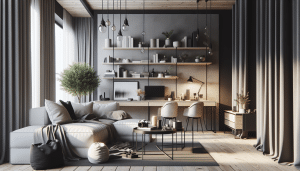
There are several critical components when styling a minimalist living room—chief among them are neutral colors, sleek furniture, and uncluttered spaces. White, beige, soft gray, and muted tones help to set a calm, unified mood. According to interior design research, walls painted in these hues enhance natural light and support visual spaciousness. Streamlined sofas, low-profile tables, and open shelving provide both comfort and utility without overwhelming the eye. Glass, metal, and light wood finishes are particularly popular for their subtle sophistication. These elements, when combined, create a living area ideal for relaxation and social gatherings.
A successful transition to minimalist interiors often starts by decluttering and defining priorities—choosing which objects truly need to remain. This step is as much mental as it is physical. Organizers and lifestyle coaches recommend keeping only the essentials, such as a versatile coffee table or a comfortable sectional. Storage solutions play a vital role, often featuring built-in cabinets or minimalist baskets tucked out of sight. The less on display, the more serene and visually open a room feels, supporting a welcoming environment for entertainment and personal downtime alike.
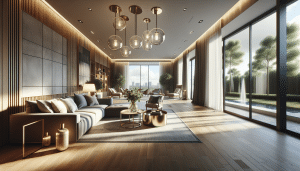
Lighting—both natural and artificial—is another cornerstone in minimalist styling. Large windows, light-filtering sheers, and statement fixtures can all contribute to an airy ambience. Adjustable lamps or dimmer switches allow for customization, making the space functional for every need, from reading to socializing. Rugs, throw pillows, and select art pieces can add texture and interest without sacrificing simplicity. The end result is a room that looks curated, never crowded, and feels just right for both everyday living and special entertainment occasions.
Benefits of Minimalism for Lifestyle and Entertainment
Adopting a minimalist approach in the living room brings an array of lifestyle benefits. Many report greater mental clarity and reduced stress, thanks to the removal of excess. Entertaining becomes more relaxed, as guests feel welcomed into an organized, calming setting. Without competing distractions, meaningful conversation and genuine connection flourish—a cornerstone of positive social experiences. Multiple studies even point to minimalism’s contribution to mindfulness, as the environment gently encourages presence and intentional living. Less mess, more meaning. That’s minimalism in practice.
Minimalist entertainment spaces are inherently adaptable. A single investment in quality seating or modular furniture can support movie nights, intimate gatherings, or quiet evenings with ease. Flexible furniture, like nesting tables or fold-away seating, means layouts can be adjusted to suit occasion and mood. With fewer items to manage, cleaning routines are streamlined, allowing more time for enjoyment. For families, this translates into spaces that are both child-friendly and stylish, while solo dwellers appreciate the tranquility and simplicity day-to-day.
Finally, the environmental and economic advantages are substantial. By purchasing less and focusing on longevity, there is less waste generated and a deeper appreciation for every item in the room. Minimalism encourages a conscious approach that aligns with sustainable living goals. Many choose recycled or upcycled materials—another trend growing in interior design. Whether it’s a reclaimed wood media console or a set of handmade ceramic planters, integrating eco-conscious choices adds a layer of depth and character to minimalist living areas, complementing both lifestyle and entertainment needs.
Common Mistakes and Practical Solutions
One frequent misconception is that minimalism means sacrificing comfort or personality. This isn’t the case. The mistake often happens when people remove too much, leaving the space cold or unfinished. A well-designed minimalist living room still includes softness—think plush throws, an inviting rug, and art that resonates. Professionals suggest blending comfort with simplicity, using a limited color scheme and prioritizing items that add real value to daily life and leisure.
Another challenge arises from a lack of storage planning. When belongings lack proper homes, clutter inevitably resurfaces. Smart storage solutions, such as built-in cabinetry or hidden shelves, keep essentials accessible but out of sight. Small baskets or trays can group everyday items neatly. Organizing on a regular basis and reevaluating items for necessity ensures the room remains serene between major decluttering sessions, supporting ongoing minimalist lifestyle success.
And sometimes, minimalist spaces can feel impersonal if not balanced with warmth and character. Adding texture is the fix—mix smooth leather with cozy wool, rugged linen with refined ceramics. Layer lighting to soften the room from different angles and include a houseplant or two for a touch of nature. With thoughtful additions, a minimalist living room becomes not only functional but also a reflection of its inhabitants, accommodating both solitude and social entertainment with equal ease.
Daily Habits to Maintain a Minimalist Living Room
Minimalism doesn’t end after the initial redesign. Maintaining a minimalist living room calls for establishing everyday routines that support tidiness and intentionality. A simple daily ‘reset’—putting blankets back, clearing the coffee table, fluffing the sofa cushions—takes just minutes but makes a major difference. Many find it helpful to designate a spot for remotes, magazines, or chargers, preventing small items from morphing into clutter. These habits, once established, become second nature and ensure the space remains inviting for entertainment or rest at any moment.
Regular decluttering is critical. Experts recommend a quick monthly review of decorative objects, books, and electronics. Anything unused or unloved can be donated or repurposed. This prevents gradual accumulation and keeps the focus on what truly enhances the space. Thoughtful purchasing, too, is a game-changer—waiting a week before buying new items and favoring quality over quantity guarantees the room remains streamlined. Over time, this minimalism-first mindset often spreads to other rooms and even influences lifestyle habits beyond the living room.
Finally, creating rituals around cleaning and self-care in the living room—from wiping surfaces to opening windows for fresh air—reinforces a sense of calm. These moments allow for periodic reassessment: does this space still serve comfort and entertainment needs? The answer, when practicing daily minimalist habits, tends to be a resounding yes. Minimalism is not an endpoint, but an evolving lifestyle choice that, when integrated into daily routines, continually elevates the home environment and supports wellbeing for all who enter.
Creative Ways to Personalize Minimalist Spaces
Minimalist living rooms can still feel deeply personal. One creative way is to showcase a favorite artwork or framed photograph as a focal point, allowing it to shine against a clean backdrop. Minimalism doesn’t require starkness—it encourages intentionality. Choosing a few meaningful accessories, like a sculptural vase or vintage lamp, adds soul without clutter. Displaying collections in rotation is another trick: one month, a set of handmade ceramics; the next, a few cherished books. The result is a space that feels fresh and uniquely reflective of each season or life phase.
Mixing textures and materials makes minimalism come alive. Layering linen curtains, woven baskets, and soft cushions creates visual warmth. Natural elements—wood, stone, dried flowers—bring the outdoors in and evoke a sense of tranquility reminiscent of Scandinavian or Japanese design philosophies. Even a carefully chosen houseplant adds both vibrancy and clean air. While sticking to a limited color palette, playing with patterns on pillows or a monochrome wall mural can create subtle interest without overwhelming simplicity.
Technology can also blend seamlessly in minimalist entertainment spaces. Wireless speakers, hidden TV units, and clever cable management ensure that digital enjoyment enhances rather than clutters the environment. Smart lighting, controlled via phone or automation, provides flexibility for movie nights, parties, or quiet evenings at home. In this way, technology and style coexist—making the minimalist living room the perfect place for both solo unwinding and lively entertaining.
References
1. American Institute of Architects. (n.d.). Minimalist Home Design. Retrieved from https://www.aia.org/resources/6305910-minimalist-home-design
2. The Spruce. (n.d.). Minimalist Living Room Ideas. Retrieved from https://www.thespruce.com/minimalist-living-room-ideas-4796843
3. Psychology Today. (n.d.). The Case for Minimalism. Retrieved from https://www.psychologytoday.com/us/blog/priority-mind/202101/the-case-minimalism
4. Houzz. (n.d.). Minimalist Living Guide. Retrieved from https://www.houzz.com/magazine/minimalist-design-ideas-stsetivw-vs~7174257
5. Architectural Digest. (n.d.). Minimalist Homes. Retrieved from https://www.architecturaldigest.com/story/minimalist-homes
6. Harvard Health Publishing. (n.d.). How Decluttering Improves Your Well-Being. Retrieved from https://www.health.harvard.edu/blog/decluttering-your-life-can-bring-mental-benefits-202208102810

 Why Every Entrepreneur Needs a Scalable Side Hustle