Surprising Ways Gut Health Impacts How You Feel
Evangeline Keaton September 24, 2025
Dive into the fascinating world of gut health and learn how your digestive system affects much more than just digestion. Discover the science behind the gut-brain connection, practical habits for wellness, and what every reader should understand about nurturing a balanced microbiome.
The Gut Microbiome: Your Hidden Wellness Partner
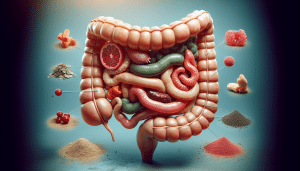
The gut microbiome, home to trillions of microbes, is a powerful force within the digestive tract. These microscopic organisms aren’t just passive residents; they influence many crucial processes, from how the immune system functions to the way nutrients get absorbed. Having a diverse microbiome may contribute to greater digestive comfort, stable immune responses, and healthier energy levels. Yet, most people overlook how deeply this ecosystem shapes overall wellness. When the gut microbiota is disturbed, challenges such as bloating, discomfort, and changes in mood can emerge. New findings reveal that the diversity and balance of gut flora can be influenced by your daily routine, especially food choices, stress management, and even the types of medication you take. Balanced gut health is widely regarded as a cornerstone for long-term well-being.
In today’s fast-paced society, modern diets and stress can disrupt the delicate microbial community within the gut. Highly processed foods, excessive sugar, lack of fiber, and frequent antibiotic usage are all factors that may contribute to reduced microbial diversity. When good bacteria are diminished, harmful microbes can take hold more easily, paving the way for things like digestive discomfort and lowered immunity. Supporting the microbiome is not about quick fixes. It involves a combination of dietary variety, consistent healthy habits, and stress reduction. Small daily adjustments—such as adding more plant-based foods, fermented products like yogurt or kimchi, and reducing unnecessary antibiotics—can make a noticeable difference over weeks and months.
Emerging research suggests that the gut has its own kind of intelligence. Sometimes called the ‘second brain,’ it contains millions of nerve cells that communicate with your central nervous system. This results in a fascinating two-way conversation between the gut and the brain. As a result, what’s happening in the digestive tract may influence not just physical comfort but also emotional states and cognitive function. Understanding the far-reaching consequences of gut health can empower anyone to pursue small changes that add up to big benefits over time.
The Gut-Brain Axis: More Than Just Digestion
The gut-brain axis is a bidirectional communication system that connects the gastrointestinal tract and the brain. Not only does the brain send messages to the gut during stress, excitement, or relaxation, but gut microbes also send chemical signals back to the brain. These signals are transmitted through pathways including the vagus nerve and the immune system. Research has demonstrated that imbalances in gut bacteria may contribute to altered mood, anxiety-like symptoms, and might even play roles in memory and learning capabilities. The microbiome produces certain neurotransmitters, such as serotonin, that are directly involved with feelings of happiness and calm. This connection means that how one eats, manages stress, and cares for gut health can affect emotional well-being as much as physical health.
Chronic stress or a highly processed diet may disrupt the gut-brain communication. When daily pressures remain high, stress hormones can change gut motility and reduce beneficial bacterial populations. As a result, digestive discomfort and emotional turbulence may intensify. Some studies have found that people with irritable bowel issues often report heightened sensitivity to stress, suggesting a tangible gut-brain link. Practicing mindfulness, deep breathing, and focusing on fiber-rich nutrition not only supports gut health, but also seems to foster a calmer, more centered mind. It’s an evolving field, but the evidence keeps mounting that a healthier gut supports mental balance.
There’s growing interest in how probiotics, prebiotics, and dietary fiber influence this axis. While it’s clear that no single food or supplement can ‘fix’ every gut concern, fostering a balanced diet with lots of plant diversity can enhance resilience. Foods like whole grains, lentils, nuts, and vegetables provide a nourishing environment for beneficial bacteria. Meanwhile, limiting high-sugar and heavily processed foods helps prevent the overgrowth of less desirable bacteria. Managing the gut-brain connection is about making a sustainable and enjoyable routine rather than seeking rapid transformation.
Everyday Habits That Shape Digestive Wellness
Everyday decisions have a direct impact on the gut environment. Regular physical activity supports healthy bowel movements and may encourage the growth of beneficial bacteria. Hydration is equally important, as water aids digestion and helps nutrients absorb efficiently. Even seemingly routine choices—like the timing of meals or levels of sleep—can influence digestion and gut harmony. Those who consume a wider variety of whole, unprocessed foods tend to report less digestive discomfort and feel more energetic. Simple habits, repeated over time, can nurture robust gut health.
Managing stress is a vital piece of the puzzle. When chronic worry or emotional tension persists, the digestive system can react with symptoms such as discomfort, changes in bowel habits, or appetite shifts. Strategies such as mindfulness meditation, yoga, regular walks, and maintaining a supportive social network all reduce the negative impact of stress on digestion. Balanced routines, both mentally and physically, seem to foster an environment where good gut bacteria can flourish. Making these routines enjoyable rather than rigid increases their stickiness.
Antibiotics, while essential at times, should be used carefully and with medical supervision, as they can wipe out both harmful and beneficial bacteria. After completing antibiotic treatment, incorporating probiotic-rich foods and high-fiber meals may encourage regrowth of a balanced microbial community. The key is not to treat the gut in isolation but recognize its interconnectedness with all aspects of daily living. Building good habits is an ongoing journey—one that brings a sense of empowerment and optimism for improved wellness.
Signs of an Unhappy Gut: What to Look For
Digestive health issues present in many forms: bloating, irregular bowel movements, gas, and occasional abdominal discomfort are some of the most common. Yet, other clues like chronic fatigue, eczema, food sensitivities, or even unexplained mood swings might also signal a disrupted gut. While these symptoms don’t always mean there is a serious condition, they serve as reminders to check in with overall lifestyle choices. Noticing patterns and changes over time, rather than focusing on isolated incidents, can reveal valuable insights into one’s gut health.
Mental and emotional symptoms may point toward gut challenges as well. Several people with imbalanced gut flora report increased levels of anxiety or difficulty concentrating. Some researchers now refer to this as ‘gut-brain fog.’ The close connection between emotional stability and the gut highlights the need for a holistic approach—a focus on both dietary and non-dietary interventions. If troubling symptoms persist or impact quality of life, it’s wise to consult a healthcare provider for proper evaluation and suggestions.
Keeping track of symptoms in a journal can help reveal patterns that aren’t visible in daily routines. For example, someone might notice increased bloating after high-sugar meals or sleep disruptions following digestive discomfort. This self-awareness forms the foundation for targeted adjustments, such as eating more slowly, choosing diverse plant foods, and practicing stress management. Small changes, built on observation and curiosity, often result in greater comfort over time.
Foods that Foster a Healthy Microbiome
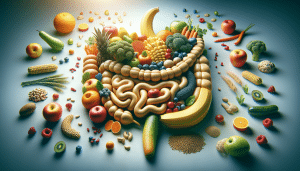
Diet is one of the most effective tools for supporting a flourishing gut microbiome. High-fiber foods—such as oats, beans, berries, and leafy greens—act as food for beneficial bacteria, encouraging their growth. Fermented foods like kefir, sauerkraut, and miso provide live cultures that can introduce new strains of healthy bacteria. Each meal becomes an opportunity to nurture the ecosystem within. Even small, consistent changes, such as adding extra vegetables to dinner or swapping refined grains for whole ones, contribute to a more resilient digestive system.
Minimizing added sugars and artificial ingredients helps maintain microbial balance. Processed snacks and sweetened beverages may feed non-beneficial bacteria, increasing the risk for discomfort or irregularity. Instead, snacking on nuts, fruits, seeds, or plain yogurt nourishes the gut more effectively. The concept of ‘eating the rainbow’—including a wide variety of colorful produce—has gained traction among health professionals due to its positive impact on both microbial diversity and immune strength.
It’s not about strict rules or deprivation. Rather, it’s about finding foods and flavor combinations that are enjoyable and easy to integrate long term. Building a plate that’s 50% vegetables and fruits, 25% whole grains, and 25% protein sources (including legumes and fish) is a simple method to promote gut health. Consistency is more valuable than perfection, and curiosity about new foods leads to beneficial diversity. Over time, these practices can mean smoother digestion and greater vitality.
Gut Health Myths and What Actually Works
Many misconceptions about gut health circulate online, making it tricky to find trustworthy advice. Some believe special cleanses or extreme diets can solve digestive issues overnight. However, current science emphasizes balance, moderation, and gradual habit building. Quick-fix trends, often promoted without evidence, may even risk upsetting the gut’s ecosystem further. Professional sources instead advise focusing on a varied and fiber-rich diet, adequate hydration, and gradual integration of probiotic-rich foods. Long-term consistency always wins.
Supplements, while popular, are not magic bullets for gut health. Some people benefit from taking probiotics, but results vary and depend on the existing balance of gut flora. Reading ingredient lists and looking for clinical research behind products can help make informed choices. Consulting healthcare providers, especially before starting any supplement, ensures appropriate use and avoids unintentional side effects. Lifestyle changes often deliver more substantial results than supplementation alone.
Listening to your body is key. No two people share an identical microbiome, so what works for one might differ for another. The basics—such as fiber, plant variety, and low stress—serve as powerful starting points for most individuals. The real path to better gut health looks more like a series of small, sustainable adjustments, enjoyed over time, rather than radical overhauls.
References
1. National Institutes of Health. (n.d.). Human Microbiome Project. Retrieved from https://commonfund.nih.gov/hmp/overview
2. Harvard Health Publishing. (n.d.). The gut-brain connection. Retrieved from https://www.health.harvard.edu/diseases-and-conditions/the-gut-brain-connection
3. Johns Hopkins Medicine. (n.d.). The brain-gut connection. Retrieved from https://www.hopkinsmedicine.org/health/wellness-and-prevention/the-brain-gut-connection
4. American Gastroenterological Association. (n.d.). Gut Microbiome. Retrieved from https://www.gastro.org/practice-guidance/gi-patient-center/topic/gut-microbiome
5. Mayo Clinic. (n.d.). Probiotics and prebiotics: What you should know. Retrieved from https://www.mayoclinic.org/probiotics/supplements/faq-20058065
6. National Institute of Diabetes and Digestive and Kidney Diseases. (n.d.). Your Digestive System & How it Works. Retrieved from https://www.niddk.nih.gov/health-information/digestive-diseases/digestive-system-how-it-works

 Unlock Entrepreneurial Success Even Without Big Capital