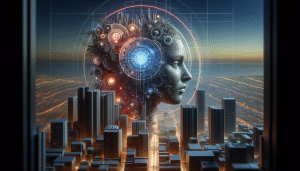
How Startups Are Innovating in 2025
Percival Thorn October 1, 2025
The startup ecosystem continues to evolve rapidly, driven by technology, market demand, and shifting consumer behavior. In 2025, innovation is more than just creating new products—it involves rethinking business models, leveraging emerging technologies, and addressing global challenges. Startups are at the forefront of transforming industries such as healthcare, finance, energy, and transportation, demonstrating agility and creativity that larger corporations often struggle to match.
Innovation in startups is not limited to technology. It also encompasses processes, strategies, and approaches to sustainability, inclusivity, and customer engagement. Understanding how startups are innovating in 2025 provides insights into trends shaping the economy and the ways small companies are making a big impact.

Key Areas of Startup Innovation in 2025
1. Artificial Intelligence and Machine Learning Applications
AI and machine learning remain central to startup innovation. In 2025, startups are moving beyond basic automation and analytics to create intelligent systems that enhance decision-making, personalize user experiences, and optimize operations.
Examples of AI-driven Innovation:
- Predictive analytics in healthcare to improve patient outcomes.
- AI-powered financial tools that provide real-time investment insights.
- Intelligent supply chain management for reducing costs and inefficiencies.
According to a 2024 report by McKinsey & Company, startups utilizing AI have increased productivity and reduced operational costs by up to 30%, highlighting the transformative impact of these technologies.
2. Sustainability and Green Technologies
Sustainability is no longer optional—it’s a driving factor for consumers, investors, and regulators. Startups in 2025 are innovating with renewable energy, waste reduction technologies, and eco-friendly products.
Key Innovations Include:
- Clean energy solutions like solar, wind, and bioenergy.
- Circular economy business models focusing on recycling and upcycling.
- Sustainable packaging and carbon footprint tracking tools.
These innovations address environmental challenges while opening new markets for responsible and forward-thinking companies.
3. Remote Work and Productivity Solutions
The rise of hybrid and remote work has fueled innovation in productivity tools, collaboration platforms, and virtual environments. Startups are creating solutions that enhance communication, employee engagement, and project management in distributed teams.
Emerging Solutions:
- Virtual offices and immersive collaboration platforms using VR/AR.
- AI-driven scheduling and workflow optimization tools.
- Employee wellness and productivity monitoring systems.
According to Gartner’s 2025 Future of Work report, startups providing remote work solutions have seen adoption rates increase by 45% year-over-year.
4. HealthTech and Personalized Healthcare
Healthcare innovation is a major focus for startups. In 2025, HealthTech companies are using digital tools, wearable devices, and AI to deliver personalized care and improve accessibility.
Innovations in HealthTech:
- Remote patient monitoring systems with real-time data analytics.
- AI-assisted diagnostics for faster and more accurate detection.
- Personalized nutrition and fitness platforms leveraging genetic and lifestyle data.
A 2024 Harvard Business Review study emphasized that startups implementing HealthTech solutions are improving patient outcomes while reducing healthcare costs significantly.
5. FinTech and Financial Inclusion
FinTech startups continue to disrupt traditional banking and financial services. In 2025, innovation focuses on accessibility, security, and seamless digital experiences.
Notable Trends:
- Mobile banking and micro-investment platforms for underserved populations.
- Blockchain solutions for transparent and secure transactions.
- AI-driven personal finance tools for budgeting and investing.
These solutions are democratizing access to financial services, promoting inclusion, and encouraging smarter financial habits.
6. Advanced Manufacturing and 3D Printing
Manufacturing startups are leveraging 3D printing and additive manufacturing to reduce costs, shorten supply chains, and create customized products.
Applications:
- Rapid prototyping for faster product development.
- On-demand production to minimize inventory and waste.
- Customized medical devices and consumer goods.
According to IndustryWeek, startups using advanced manufacturing technologies are accelerating time-to-market and enabling localized production models that reduce logistics costs.
7. EdTech and Lifelong Learning
Education-focused startups are redefining learning through technology. In 2025, they emphasize accessibility, engagement, and personalized learning experiences.
Innovative Approaches:
- AI-powered tutoring platforms and adaptive learning systems.
- Gamified learning experiences to increase student motivation.
- Online platforms for professional upskilling and micro-credentials.
EdTech startups are responding to the demand for flexible, personalized education while addressing gaps in traditional learning systems.
Factors Driving Startup Innovation
Several factors contribute to the innovative momentum among startups in 2025:
- Access to Capital: Venture capital and angel investors continue to fund high-potential startups with innovative ideas.
- Technological Advancements: Emerging tech such as AI, IoT, blockchain, and 3D printing enables new business models and solutions.
- Consumer Demand: Customers increasingly prefer personalized, sustainable, and tech-enhanced experiences.
- Regulatory Support: Governments worldwide are creating policies and incentives to support innovation, particularly in sustainability and digital infrastructure.
- Global Connectivity: Startups benefit from global networks, knowledge sharing, and remote collaboration tools.
Challenges Faced by Startups in 2025
While opportunities are abundant, startups also face challenges:
- Market Competition: The startup landscape is increasingly crowded, requiring differentiation and agility.
- Talent Acquisition: Recruiting skilled personnel, especially in AI and tech fields, remains competitive.
- Regulatory Compliance: Navigating complex regulations, particularly in healthcare and finance, can be costly and time-consuming.
- Scalability Issues: Scaling innovative solutions while maintaining quality and sustainability can be difficult.
Overcoming these challenges often requires creativity, resilience, and strategic partnerships.
Conclusion
Startups in 2025 are redefining industries by combining technology, sustainability, and customer-centric innovation. From AI and HealthTech to FinTech, EdTech, and advanced manufacturing, emerging companies are not just creating new products—they are reimagining business models, processes, and experiences. These innovations provide opportunities for investors, customers, and communities while addressing some of the most pressing global challenges.
Understanding how startups innovate offers valuable insights for aspiring entrepreneurs, investors, and professionals looking to adapt to a rapidly changing economy. In 2025, the startup ecosystem exemplifies how agility, creativity, and purpose-driven innovation can drive meaningful change.
References:
- McKinsey & Company. (2024). State of AI in Startups. https://www.mckinsey.com
- Harvard Business Review. (2024). HealthTech Startups Driving Innovation. https://hbr.org
- Gartner. (2025). Future of Work and Startup Productivity Tools. https://www.gartner.com
- IndustryWeek. (2023). Advanced Manufacturing and 3D Printing in Startups. https://www.industryweek.com

 Fitness Routines That Support Daily Activity