Simple Habits That Transform Your Everyday Life
Evangeline Keaton September 27, 2025
Explore how small, sustainable lifestyle habits can subtly elevate your routines and boost daily enjoyment. This guide reveals simple entertaining rituals, wellness practices, and mindful changes that make life feel more fulfilling—without requiring a dramatic overhaul.
Why Tiny Habits Matter for Sustainable Lifestyle Change
Making lasting changes in daily life often begins with the smallest of steps. Research on habit formation shows that starting with easy, enjoyable routines provides a natural springboard for bigger transformations over time. Instead of radical overhauls or drastic resolutions, try integrating gradual shifts. This approach feels less overwhelming and is more likely to stick. Experts suggest a simple ritual—like making your bed or enjoying a morning walk—can ripple through your day, subtly enhancing your mood and productivity. By focusing on these accessible adjustments, positive lifestyle improvements become attainable for almost anyone interested in well-being and entertainment without added pressure. (Source: https://greatergood.berkeley.edu/article/item/how_to_change_your_habits)
Simple habits serve as anchors, creating a sense of stability during unpredictable days. Consider the role of morning routines—pouring a favorite beverage, reading a chapter from a novel, or practicing light stretching. These brief activities offer comfort and intention, laying the groundwork for manageable time management and self-reflection. Daily rituals may not spark instant change, but their quiet persistence sets a reliable foundation that supports bigger goals. Embedding these patterns can even boost motivation for trying new hobbies or healthier routines as confidence grows.
One overlooked advantage of subtle lifestyle change is the power of momentum. When one tiny habit becomes second nature, it frees up energy to try another, then another. This gentle, stepwise approach helps avoid burnout and perfectionism. The effect? Life feels more manageable, entertaining, and full of small satisfactions. Whether it’s using music to mark the start of evening downtime or tidying up workspaces before bed, these details add up—promoting sustainable enjoyment and personal growth without feeling forced or artificial.
Rituals That Add Joy to Daily Routines
Incorporating rituals offers a playful twist to ordinary tasks, amplifying enjoyment and a sense of celebration. For example, weekly family movie nights or morning playlists can create special anticipation around routine moments. These traditions do more than entertain; they foster connection, reduce stress, and create lasting memories that bond families or social circles. A lifestyle focused on these simple joys can have cascading benefits across relationships and general happiness.
Ritual does not need to be elaborate. Lighting a candle while reading, preparing a special tea in the afternoon, or organizing a quick evening chat with friends brings intention to basic activities. Experts highlight that rituals—even those unique to a household or individual—help cue the brain to rest, focus, or shift gears. The regularity offers psychological comfort and structure, even during hectic times. (Source: https://www.nytimes.com/2020/04/09/smarter-living/rituals-routines-coronavirus.html)
Over time, everyday rituals evolve and adapt, responding to changing needs and interests. Many find that incorporating entertainment—such as a hobby night or podcasts during chores—adds variety and texture to routine days. These moments can transform tasks from chores to cherished time, improving both productivity and pleasure. Ultimately, weaving small traditions into daily life is one of the most accessible and rewarding paths to increased well-being and entertainment at home.
Kickstart Wellness With Mindful Movement and Breaks
Mindful movement stands out as one of the most effective boosts for overall health and energy. Rather than long or strenuous workouts, research suggests that incorporating short, intentional movement breaks throughout the day—like walking, gentle stretching, or dancing—can refresh mood and sharpen concentration. Integrating these wellness moments into a daily lifestyle is linked with reductions in stress and improvements in mental clarity. (Source: https://www.health.harvard.edu/mind-and-mood/the-power-of-movement)
Movement doesn’t have to mean scheduled workouts or commutes to a gym. Simple practices such as standing during calls, stretching while waiting for coffee, or walking around the block offer entertainment as well as fitness benefits. These bite-sized wellness activities break up sedentary routines and infuse pleasant variety into everyday schedules. Many people notice increased creativity and reduced muscle tension from even a few minutes of purposeful activity spread out over the day.
Pairing movement with entertainment adds motivation and enjoyment. Consider following a favorite dance routine online, trying guided yoga from a free video, or inviting family members to a brief after-dinner walk. Such activities enhance social connection, encourage consistency, and foster a sense of accomplishment. Over time, these micro-habits can lead to broader lifestyle changes—one small step, one moment of joy, at a time.
Optimize Home for Inspiration and Relaxation
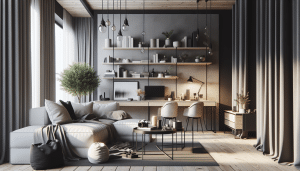
Your living space plays a pivotal role in shaping everyday experiences. Subtle adjustments—like decluttering, rearranging furniture, or dedicating a nook for reading and reflection—can make home environments more inspiring. Natural light, soothing colors, and touches of greenery boost relaxation and help spark creativity. Many find that even minimal changes can make routines feel refreshed, improving both focus during work and downtime enjoyment. (Source: https://www.apa.org/topics/mental-health/healthy-home)
Entertainment is just as important at home as productivity. Days often feel brighter when you create purposeful zones—a cozy corner for listening to music, a spot for board games, or an impromptu gallery wall to display cherished photos. Small-scale entertainment options don’t require major renovations or investments. Instead, they rely on paying attention to what makes life pleasant and arranging your environment to encourage it. Mood-boosting playlists or inviting scents can make transitions between activities (like work and leisure) feel smoother and more enjoyable.
Homes also offer space to explore new hobbies or revisit creative interests. Keeping art supplies or a journal within easy reach inspires impromptu creation. If relaxation is the focus, try creating systems that signal downtime, like dimmable lights or a reading timer. In essence, optimizing your space means making room—physically and mentally—for the experiences you want from each day. The effect is a subtle but powerful improvement of your lifestyle’s entertainment and wellness aspects.
Social Connection and Shared Experiences
Humans are wired for connection and shared experience, even if these connections look different today. Fostering regular check-ins with friends, neighbors, or family nurtures emotional well-being. Virtual game nights, recipe swaps, or book groups can replicate the fun of in-person gatherings, sustaining entertainment and belonging. Studies show that even brief social interactions contribute to happiness and reduce stress markers. (Source: https://www.ncbi.nlm.nih.gov/pmc/articles/PMC6125010/)
Shared routines and community rituals—such as joining local walks, participating in volunteering, or attending virtual arts events—amplify the feeling of purpose and togetherness. These experiences often expand networks and support positive behavior, from practicing healthy cooking to participating in playful activities. Entertainment comes naturally when people create space for mutual enjoyment, appreciation, and laughter.
Building in regular touchpoints—like a monthly dinner, creative collaboration, or tradition of holiday messages—reinforces trust and comfort. These social habits become highlights, offering both predictability and surprise. Active participation in social rituals is strongly linked with emotional resilience, helping individuals navigate challenges with increased optimism. When entertainment flows from meaningful relationships, lifestyle satisfaction tends to soar.
Balancing Screen Time With Off-screen Fun
Devices have revolutionized entertainment and productivity, but mindful screen use is key for balance. Creating intentional tech boundaries—such as device-free meals or scheduled downtime—helps preserve attention for deeper enjoyment of both media and offline activities. Studies highlight the benefits of unplugged time for improved mood, better sleep, and more authentic social interactions. (Source: https://www.cdc.gov/screen-time/index.html)
Alternating between on-screen entertainment and off-screen hobbies sustains curiosity and engagement. Whether it’s a puzzle night, outdoor gardening, or practicing an instrument, these hands-on pursuits encourage mindfulness and creativity. Families can experiment with rotating weekly unplugged challenges or analog entertainment options, strengthening bonds and reducing digital fatigue. The process of stepping away from digital entertainment actually enhances appreciation for technology when it is used intentionally.
Strategic screen use also supports learning, creativity, and connection—when practiced with intention. Setting goals for enriching media consumption (like educational podcasts or online skill-building workshops) boosts both entertainment and self-improvement. However, prioritizing offline experiences as part of an overall lifestyle keeps entertainment fresh, fulfilling, and balanced. The key lies in conscious choices and responsive habits that flex as interests change.
References
1. Greater Good Science Center. (n.d.). How to Change Your Habits. Retrieved from https://greatergood.berkeley.edu/article/item/how_to_change_your_habits
2. The New York Times. (2020). Why Rituals Make Us Feel More Emotional. Retrieved from https://www.nytimes.com/2020/04/09/smarter-living/rituals-routines-coronavirus.html
3. Harvard Health Publishing. (n.d.). The Power of Movement. Retrieved from https://www.health.harvard.edu/mind-and-mood/the-power-of-movement
4. American Psychological Association. (n.d.). How to Create a Healthier Home. Retrieved from https://www.apa.org/topics/mental-health/healthy-home
5. U.S. Centers for Disease Control and Prevention. (2022). Screen Time vs Activity Time. Retrieved from https://www.cdc.gov/screen-time/index.html
6. Psychology Today. (n.d.). Happiness. Retrieved from https://www.psychologytoday.com/us/basics/happiness

 Why Minimalist Living Is Taking Over Homes