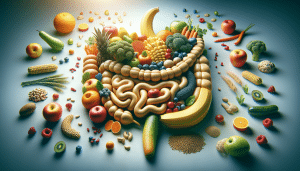
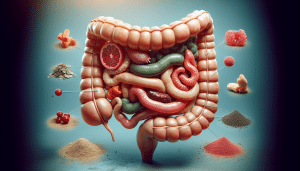
Simple Habits That Help You Improve Gut Health
Evangeline Keaton October 17, 2025
Discover how everyday actions can support digestive balance and overall gut health. This practical guide unpacks easy, evidence-based routines—like mindful eating and fiber choices—that contribute to well-being from within. Explore approachable steps to strengthen your microbiome and digestive comfort.
Understanding Gut Health and Why It Matters
Gut health is more than just avoiding occasional stomach upsets; it’s a cornerstone of overall wellness. The gut, or digestive tract, is home to trillions of bacteria collectively known as the gut microbiome. These tiny organisms play an essential role in digesting food, synthesizing certain vitamins, and supporting immune function. A balanced microbiome helps maintain a resilient digestive system, optimizing nutrient absorption and keeping discomfort at bay. Many experts believe that an unhealthy gut can influence mood, cognitive function, and even skin health, making it a vital area of interest for anyone who wants to feel their best. Understanding what supports or disrupts gut health empowers informed choices in daily routines.
The impact of a balanced gut goes beyond just digestion. Numerous studies suggest connections between the gut and brain, a relationship often called the gut-brain axis. Signals travel back and forth, influencing everything from mood to stress response. When the gut is healthy, these communication lines work smoothly. But a disrupted microbiome—often from antibiotics, poor diet, or stress—can make one more vulnerable to discomfort, fatigue, or even changes in mental focus. Many individuals find that improving digestive health enhances energy levels and promotes a sense of overall vitality.
Promoting gut health doesn’t demand complicated changes. Even small habits practiced consistently can reshape the gut’s environment. Attention to food variety, hydration, and stress management often brings about measurable improvements in digestion. Research continues to reveal new links between diverse gut bacteria and various facets of well-being, underlining the potential benefits of maintaining a robust microbiome. Reflecting on daily habits and making simple swaps can have far-reaching effects for digestive health and whole-body balance.
Mindful Eating: How Slowing Down Supports Digestion
One powerful but often overlooked way to care for gut health is through mindful eating. This practice encourages paying full attention to meals—chewing food thoroughly, savoring flavors, and minimizing distractions. It isn’t about restricting favorite dishes; it’s about noticing and enjoying what is eaten. Experts say mindful eating cues natural digestive processes, like increasing saliva production and triggering stomach enzymes for efficient food breakdown. By slowing down, you allow your body to register fullness signals, making it easier to avoid overeating and related discomforts. Such a habit can be adopted at any meal, regardless of diet style.
In busy life, it’s common to eat on autopilot—rushing through snacks or meals without paying attention. This can contribute to indigestion or bloating, especially when eating too quickly. Mindful eating interrupts this cycle by shifting focus to the simple act of nourishment. Taking deliberate pauses between bites and noticing how food feels in the mouth can foster a deeper sense of satisfaction. Over time, many individuals report that eating more mindfully leads to better digestion and increased enjoyment of meals, all while making it easier to naturally balance portions.
The good news is that mindful eating requires no special equipment or training. Start by turning off screens during meals and putting your utensil down between bites. Noticing textures, aromas, and sensations allows your digestive system to work at its best. As mindful eating becomes routine, the benefits—less bloating, greater satisfaction, and improved gut health—may quickly follow. These simple steps can be a valuable foundation for broader digestive wellness strategies.
The Role of Fiber and Plant Diversity in Gut Health
Fiber is a champion when it comes to nurturing the gut microbiome. It acts as a fuel source for beneficial bacteria, helping them thrive and produce compounds that nourish the colon lining. There are two main types: soluble fiber, found in foods like oats and beans, and insoluble fiber, present in whole grains and many vegetables. Together, they support regular bowel movements, reduce the risk of constipation, and foster the growth of positive gut bacteria. Health agencies, including the NIH, highlight the importance of including a range of fiber-rich foods in the daily diet to support digestive wellness (https://www.niddk.nih.gov/health-information/digestive-diseases/digestive-health).
Plant diversity is just as crucial. Eating a variety of vegetables, fruits, whole grains, legumes, and nuts exposes your gut to a rich range of fibers and phytochemicals. Each type of plant food supports different bacteria communities, promoting microbial diversity. Research suggests that the broader the spectrum of plant-based foods eaten in a typical week, the healthier and more balanced the microbiome becomes. This diversity can also be key for those looking to address digestive discomfort or support immune function naturally, as it enables different beneficial bacteria to colonize the gut.
Making practical adjustments doesn’t have to be overwhelming. Try adding an extra serving of vegetables to daily meals or swapping out refined grains for whole varieties. Mixing up the types of produce purchased each week or experimenting with new pulses can gradually increase plant diversity. Many people find that their digestive comfort improves, energy levels stabilize, and overall well-being is supported as their gut microbiome becomes more robust. Consistency over perfection matters most in reaping the benefits of fiber and plant variety.
Hydration and Its Unsung Influence on Digestion
Proper hydration is foundational for digestive function, yet it’s easy to overlook amidst broader wellness advice. Water lubricates the digestive tract, softening stool and supporting regularity. Without enough fluids, fiber can struggle to move efficiently, sometimes leading to constipation or sluggish digestion. The U.S. Centers for Disease Control and Prevention encourage regular water intake as part of any digestive health plan (https://www.cdc.gov/healthyweight/healthy_eating/water-and-healthier-drinks.html). A simple glass of water before or after meals can have a meaningful impact over time.
Many factors influence hydration status—climate, exercise, and diet, to name a few. High-fiber meals, for instance, may require extra fluids to allow fiber to do its job effectively. Dehydration, even at modest levels, can trigger headaches, fatigue, and digestive discomfort. Making a habit of carrying a reusable water bottle or starting the day with water instead of sugary drinks can support overall digestive balance. For some, herbal teas or broths offer alternative sources of fluid while adding pleasing variety to daily routines.
Try noticing signs of thirst and responding with small sips throughout the day, rather than waiting for intense thirst cues. Those unsure about their current intake can check urine color; very dark urine suggests a need for more fluids. By making hydration an effortless part of daily life, it becomes easier to support regular bowel movements and a healthy gut environment. These small shifts add up to big changes in digestive comfort and energy over time.
Stress Management and Its Impact on Your Gut
Stress and gut health are deeply intertwined, with both acute and chronic stress proven to affect digestive function. The gut-brain axis enables communication between the nervous system and the gastrointestinal tract. When stress levels rise, the body may shift resources away from digestion, leading to symptoms like cramps, bloating, or irregularity. Over time, persistent stress can even alter gut bacteria composition. Simple forms of stress management—including regular movement, deep breathing, or time outdoors—help recalibrate the nervous system, often relieving gut discomfort along the way (https://www.apa.org/topics/stress/body).
Practicing relaxation techniques such as gentle stretching, guided meditation, or even focused breathwork before meals may benefit digestive function. These activities signal the body to shift from “fight or flight” mode to “rest and digest”, supporting optimal gut motility and enzyme production. Over weeks and months, making time for regular stress relief can reduce the frequency of digestive complaints. For some people, combining stress management with other gut-friendly habits leads to an even greater sense of wellness.
While it’s not possible to entirely eliminate stress, building a toolkit for resilience makes a difference. Finding stress outlets that feel enjoyable and sustainable—such as art, listening to music, or spending time with loved ones—can offer emotional support as well as digestive balance. Recognizing the gut’s sensitivity to both physical and emotional influences highlights the value of mind-body strategies for robust wellness. These daily practices are approachable, affordable, and yield measurable changes over time.
Probiotics, Prebiotics, and the Balance of Microbiota
Maintaining a healthy gut often involves consciously feeding the beneficial bacteria that call your digestive tract home. Probiotics—live microorganisms found in fermented foods—are a popular way to add helpful bacteria directly. Foods like yogurt, kefir, kimchi, and sauerkraut are rich sources. Consuming these regularly has been linked to benefits in regularity, immune support, and reduced symptoms of certain digestive imbalances, according to Johns Hopkins Medicine (https://www.hopkinsmedicine.org/health/wellness-and-prevention/probiotics-and-prebiotics).
Prebiotics are a different but equally important component of gut health. Found in plant fibers that resist digestion, prebiotics serve as food for existing good bacteria. Foods such as garlic, onions, bananas, asparagus, and leeks are all rich in these compounds. Including both prebiotic and probiotic foods as part of regular meals supports a healthy microbial equilibrium. Research shows that this balance contributes not just to digestion, but to immunity and long-term wellness as well.
For those who avoid dairy or want additional variety, fermented dairy-free foods like tempeh, miso, or kombucha offer alternatives. It’s important to gradually introduce new probiotic-rich foods to avoid digestive discomfort, as each gut adapts at its own pace. Prebiotic-rich plant foods can be incorporated in simple salads or soups for easy wins. The synergy of prebiotics and probiotics, known as synbiotics, is a powerful approach to optimize gut health naturally over weeks and months.
References
1. National Institute of Diabetes and Digestive and Kidney Diseases. (n.d.). Digestive Health. Retrieved from https://www.niddk.nih.gov/health-information/digestive-diseases/digestive-health
2. Harvard T.H. Chan School of Public Health. (n.d.). The Microbiome. Retrieved from https://www.hsph.harvard.edu/nutritionsource/microbiome/
3. Centers for Disease Control and Prevention. (n.d.). Water & Healthier Drinks. Retrieved from https://www.cdc.gov/healthyweight/healthy_eating/water-and-healthier-drinks.html
4. American Psychological Association. (n.d.). Stress and the Gut. Retrieved from https://www.apa.org/topics/stress/body
5. Johns Hopkins Medicine. (n.d.). Probiotics and Prebiotics. Retrieved from https://www.hopkinsmedicine.org/health/wellness-and-prevention/probiotics-and-prebiotics
6. Mayo Clinic. (n.d.). Digestion: Tips for Improving. Retrieved from https://www.mayoclinic.org/healthy-lifestyle/nutrition-and-healthy-eating/in-depth/digestive-system/art-20044246

 What You Might Discover About Down Payment Assistance