Secrets You Never Hear About Glowing Skin Careers
Seraphina Marlowe September 27, 2025
Curious about the science and day-to-day realities behind glowing skin? Discover the diverse factors, expert routines, surprising studies, and career paths making natural beauty a high-value field. This guide unpacks what really shapes radiant skin and how wellness trends, technology, and new research are defining the future.
How Daily Habits Influence Glowing Skin
Countless people seek glowing skin, yet few realize that it starts with small, consistent habits, not just expensive products. Diet, hydration, and sleep all play crucial roles in maintaining a natural, radiant complexion. When someone drinks enough water, their skin often appears plumper and more elastic, which contributes to a healthy, glowing look. Skipping meals or eating foods high in sugar can have the opposite effect, leading to breakouts and dullness. Balanced nutrition—with plenty of antioxidants, vitamins, and minerals—supports the skin’s natural barrier and reduces inflammation.
Many routines focus heavily on topical skincare but overlook the impact of stress management. Chronic stress can trigger hormonal fluctuations, which may manifest through dullness, redness, or acne. Techniques like mindfulness, meditation, and adequate rest help the body repair cellular damage overnight and boost circulation for that coveted glow. Integrating techniques such as yoga, deep breathing exercises, or mindful walking into daily life offers dual benefits: it calms the mind and increases oxygen flow, giving skin a more energized appearance. The connection between a clear mind and clear skin continues to receive support from wellness experts and researchers alike (https://www.ncbi.nlm.nih.gov/pmc/articles/PMC6571567/).
Small tweaks to morning and evening habits can transform results. For example, washing the face with lukewarm water instead of hot, using a gentle cleanser, and following with moisturizer chosen for one’s skin type are practical steps. Even the way skin is dried—by patting rather than rubbing—can preserve its natural barrier. Protecting skin from sunlight every day using a broad-spectrum SPF offers crucial defense against aging and discoloration, keeping the complexion luminous. Over time, these seemingly minor habits accumulate, unlocking a foundation for healthy, glowing skin.
Key Nutrients and Ingredients Backed by Science
Nutrition is a building block of wellness that directly affects visible radiance. Nutrients like vitamin C, E, and zinc are essential for encouraging the production of collagen and fighting oxidative stress. Certain foods—berries, citrus, nuts, and green leafy vegetables—are rich in these elements and help protect against environmental damage. Research shows that people who consistently consume antioxidant-rich foods often report smoother, glowing complexions and fewer blemishes. Additionally, omega-3 fatty acids found in fish or flaxseed help maintain skin’s lipid barrier, making it more resilient to dryness and irritation.
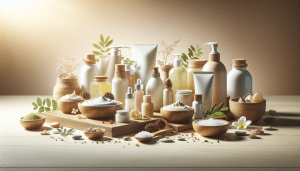
Topical ingredients deserve attention, too. Products formulated with hyaluronic acid, niacinamide, or retinoids are known for boosting hydration, reducing fine lines, and supporting an even tone. Applying these ingredients as part of a consistent skincare regimen can result in visible improvements over time. It’s important to note that results from such active ingredients don’t occur overnight—patience and regular use are key. Dermatologists recommend choosing formulations suited to individual needs rather than chasing trends. Reading ingredient lists thoughtfully, rather than relying on marketing, empowers people to achieve more sustainable results (https://www.aad.org/news/topical-skin-care-products).
Supplements have emerged as both a wellness trend and a research focus, promising benefits for those seeking glowing skin. Collagen powders, vitamin D, and probiotics are among the most popular. While some studies suggest these supplements can enhance skin moisture and elasticity, not everyone needs them, and their effects may vary based on individual health status. Consulting with a healthcare provider ensures that supplementation complements dietary intake and existing wellness routines. Responsible use of supplements helps avoid nutrient imbalances and supports overall skin health.
The Role of Technology in Skin Health and Beauty
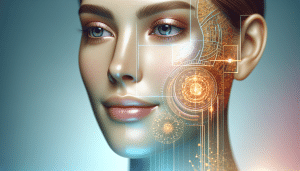
Technology is transforming the way experts and everyday people approach glowing skin. From at-home LED masks to digital skin analyzers, the industry has seen a surge in accessible, innovative solutions. LED therapy, for instance, uses specific light wavelengths to reduce inflammation and stimulate collagen, which may enhance skin texture and tone. Many consumers enjoy these devices for their convenience and perceived improvements in radiance. With the rise of apps that assess skin hydration, UV exposure, or even recommend personalized routines, technology continues to bridge the gap between wellness and beauty science.
In clinical and spa environments, technology enhances professional treatments. Tools such as microdermabrasion, ultrasonic facial devices, and radiofrequency machines are increasingly finding their way into mainstream practice. These tools provide options for those looking to amplify their natural glow without invasive procedures. Despite the growing popularity of high-tech skincare, experts urge users to prioritize safety, follow instructions, and consult with licensed professionals before trying new equipment. Fortunately, numerous regulatory bodies now set standards for at-home devices to ensure consumer safety and positive outcomes (https://www.fda.gov/consumers/consumer-updates/home-use-devices-and-your-health).
Social media has also fueled the evolution of beauty technology by accelerating the spread of trends, testimonials, and educational content. With everything from DIY skin routines to expert interviews, platforms provide a space for sharing tips and illustrating the before-and-after results of technological innovations. However, it’s important to verify the credibility of sources and avoid unproven methods, as some trends may not be grounded in solid science. Dedicated online communities and reputable health sites are valuable for verifying claims and learning about the latest safe, science-backed advances in the glowing skin field.
Emerging Careers in the Glowing Skin Industry
The pursuit of glowing skin has evolved into a dynamic, thriving industry offering a spectrum of careers. Not only are there more positions for estheticians and dermatologists, but the growth of wellness coaching, ingredient research, and holistic nutrition has expanded professional opportunities. Beauty brands invest in science-backed product development, requiring both creative marketers and analytical minds with an understanding of skin biology. Some people train as wellness consultants, advising on the intersection of diet, mental health, and self-care for radiant skin. These careers reward curiosity, adaptability, and a commitment to lifelong learning.
Many positions in this sector involve bridging the gap between traditional beauty and modern science. Clinical trials coordinators, formulation chemists, and skin educators are vital to ensuring products and services live up to their wellness claims. There’s also rising demand for digital content creators who can translate complex skin health knowledge into engaging, digestible content. As consumers seek personalized advice and authenticity, experts who combine technical skills with compassionate communication continue to thrive. The industry is increasingly global and interdisciplinary, welcoming people from diverse backgrounds and skill sets (https://www.bls.gov/ooh/personal-care-and-service/skincare-specialists.htm).
Education plays a major role in preparing future skin health professionals. Reputable certification programs, such as those offered by universities or recognized institutes, teach science fundamentals alongside business practices. Internships, mentorships, and continuing education enable people to specialize—whether it’s in spa management, clean beauty product analysis, or emerging technology like AI-powered skin assessments. As consumers become more informed about wellness, transparency, and results, the demand for knowledgeable, ethical experts in the glowing skin field will likely grow for years to come.
Understanding Myths and Facts About Glowing Skin
Popular beauty advice often gets tangled with myths, especially on social media. One common misconception is that glowing skin only requires external care: reality shows that both internal health and topical routines work together. No single ingredient or miracle treatment guarantees lasting results—consistent, holistic care usually pays off. For example, it’s a myth that natural products are always safer or more effective; allergies and skin sensitivities can occur with both natural and synthetic ingredients. Reliable education and a skeptical mindset help individuals steer clear of fads and misinformation.
Another myth suggests exfoliating daily brings about immediate glow. Over-exfoliation can actually damage skin, causing irritation, increased sensitivity, and breakouts. Most dermatologists recommend gentle exfoliation (one to two times per week) tailored to one’s skin type and tolerance. Furthermore, skipping sunscreen on cloudy days is a costly mistake, as UV rays can penetrate clouds and continue to trigger premature aging. Using broad-spectrum SPF every day is a science-backed habit for anyone serious about achieving and maintaining glowing skin (https://www.cdc.gov/cancer/skin/basic_info/prevention.htm).
Social and cultural beauty standards sometimes pressure people to chase unrealistic outcomes. It’s important to celebrate individual differences and understand that glowing skin looks unique for everyone. Resisting comparison, avoiding harsh “quick fix” methods, and setting reasonable goals are helpful approaches. Many experts recommend focusing on overall well-being, practicing self-compassion, and seeking support if negative self-image takes over. True glow, after all, is rooted in both skin health and a positive, confident outlook.
Future Trends in Holistic Skin Wellness
Holistic skin health is at the heart of current and future beauty trends. There’s expanding interest in treatments that focus on the whole person—including nutrition, sleep, mental health, and movement—instead of just quick cosmetic fixes. As research grows, the wellness and beauty industries are collaborating more closely, producing options that blend mindfulness techniques, advanced ingredients, and personalized routines for radiant, lasting results. Innovations in plant-based ingredients, biotechnology, and microbiome-care are expected to dominate the coming years (https://www.ncbi.nlm.nih.gov/pmc/articles/PMC8385231/).
Technology and data will shape personalized skincare plans. DNA-based analysis, skin microbiome mapping, and digital tracking apps are starting to guide product choice and self-care strategies. These tools can recommend routines that account for individual genes, environment, and lifestyle factors. The demand for tailored solutions pushes brands to become more transparent, evidence-based, and environmentally conscious. Ethical ingredient sourcing, cruelty-free labels, and zero-waste packaging are rapidly becoming priorities among consumers and professionals alike.
The trend towards holistic wellness means glowing skin is now seen as a reflection of internal balance and mindful living, not just appearance. Experts anticipate even more integration of wellness coaching, telemedicine, and smart devices into everyday routines. This shift gives people more power to explore new options, educate themselves, and build habits that work for their unique needs. By embracing a science-backed, individualized approach, glowing skin becomes accessible to far more people, regardless of age or background.
References
1. American Academy of Dermatology Association. (n.d.). Topical skin care products. Retrieved from https://www.aad.org/news/topical-skin-care-products
2. National Institutes of Health. (2019). Mindfulness practice and stress. Retrieved from https://www.ncbi.nlm.nih.gov/pmc/articles/PMC6571567/
3. U.S. Food & Drug Administration. (n.d.). Home use devices and your health. Retrieved from https://www.fda.gov/consumers/consumer-updates/home-use-devices-and-your-health
4. U.S. Bureau of Labor Statistics. (n.d.). Skincare specialists. Retrieved from https://www.bls.gov/ooh/personal-care-and-service/skincare-specialists.htm
5. CDC. (n.d.). Skin Cancer Prevention. Retrieved from https://www.cdc.gov/cancer/skin/basic_info/prevention.htm
6. K. Roh & S. Lee. (2021). Ingredients, mechanisms, and delivery systems of skin barrier function and microbiome. Retrieved from https://www.ncbi.nlm.nih.gov/pmc/articles/PMC8385231/

 How News Consumption Shapes the Way You See the World