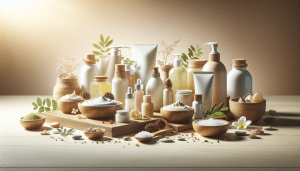
Secrets You Might Not Know About Natural Skincare
Seraphina Marlowe October 23, 2025
Explore the fascinating world of natural skincare routines and learn how plant-based ingredients can support wellness and beauty. This guide reveals practical strategies, myths, and facts behind holistic approaches to clearer skin, hydration, and youthful radiance using time-tested botanicals and science-backed methods.
The Popularity of Natural Skincare Explained
Interest in natural skincare is booming. Many seek gentle, plant-based options instead of harsh chemicals for daily care and long-term wellness. People often look for products labeled as organic, hypoallergenic, or free from synthetic additives. Botanical extracts like aloe vera, chamomile, and green tea are trending in facial serums and cleansers. Choosing these can give peace of mind, knowing that the ingredients have roots in centuries of traditional wellness practices. Shifting toward nature-inspired routines, supporters believe these formulas may reduce irritation and support skin’s own ability to repair itself. This gentle approach stands out for those with sensitive or easily-reactive complexions.
Another driving factor behind the surge is increasing education around ingredient safety and sustainability. Many natural skincare fans cite reducing exposure to parabens, phthalates, and artificial fragrances as a motivator. There is also growing awareness of the environmental impact of synthetic ingredients, especially microplastics, which can persist in ecosystems for decades. Brands touting eco-friendly packaging and ethical sourcing are drawing attention. Consumers are becoming more sophisticated, reading labels carefully, and often turning to dermatologist-advised alternative routines. This has been amplified by social platforms and wellness blogs sharing personal experiences and scientific insights.
Holistic wellness is another thread connecting beauty and nature. Rather than viewing skincare as only topical, more users are blending internal habits—like hydration and nutrition—with their routines. The mind-skin connection, once dismissed as anecdotal, is increasingly highlighted in both research and daily conversations. Natural ingredients, paired with mindfulness and self-care rituals, encourage a broader definition of beauty centered on balance and self-respect rather than strict appearance goals. This shift is making natural skincare more than just a trend: it is a lifestyle choice for many wellness-seeking individuals.
Botanicals and Plant-Based Ingredients: More Than Just a Trend
Botanical ingredients form the foundation of many natural beauty regimens, offering unique properties for different skin concerns. Rosehip oil, renowned for its high vitamin C and fatty acid content, is commonly recommended to support skin elasticity and minimize the visible effects of aging. Calendula and chamomile extracts are frequently added for their soothing, anti-inflammatory qualities. These botanicals work synergistically to nurture sensitive, dry, or reactive skin, which is often aggravated by environmental factors and frequent product use.
Many traditional cultures have relied on herbal remedies for centuries to cleanse, tone, and rejuvenate the skin. Contemporary research has validated some of these practices, highlighting the antioxidant effects of green tea extract and the hydrating power of hyaluronic acid derived from botanical fermentation. The surge in popularity of plant-based face masks, oils, and balms can be traced to these findings. Shoppers increasingly compare ingredient lists, seeking recognizable, minimally processed sources and avoiding synthetic fillers. This knowledge empowers them to make decisions aligned with their health ideals and environmental values.
While some botanical extracts offer real benefits, it is important to keep expectations informed by scientific evidence. Not every plant-based product delivers dramatic results overnight. The effects vary depending on concentration, formulation, and individual skin biology. Reliable brands usually back their ingredients with lab tests or publish transparent sourcing details. Savvy buyers look for products with clinical data or third-party certifications for authenticity. This careful blend of tradition and modern research drives the ongoing fascination with botanically powered wellness and beauty routines.
Hydration–Why Natural Ingredients Perform Well
Hydration is at the core of every effective skincare routine. Water-rich plant ingredients such as cucumber, aloe vera, and glycerin derived from vegetable sources can boost skin moisture without heavy oils or artificial additives. These components attract water molecules, smoothing the outer layer and supporting skin barrier function. Products containing such hydrating botanicals are especially popular for addressing dryness and maintaining glow—key goals in holistic beauty.
The balance of oil and water is crucial for wellness and appearance. Natural oils from jojoba, grapeseed, or squalane mimic skin’s natural sebum, helping control excess shine while creating a protective barrier against environmental aggressors. When combined with humectants, these oils foster a supple, dewy look often associated with youthful skin. Gradually, consistent hydration can minimize the perception of fine lines and support recovery after sun exposure or environmental stress.
Proper hydration also enhances the skin’s ability to absorb active ingredients. Whether it’s a serum packed with antioxidants or a soothing mist, applying products to damp skin can improve efficacy. Many advocates of natural beauty routines recommend layering—starting with lightweight hydrating mists followed by serums and plant-based oils—to lock in moisture. This multi-step approach is rooted in both traditional practices and contemporary research, setting the stage for radiant, resilient skin.
Common Myths and Facts About Natural Skincare
Myths persist in the wellness and beauty arena, sometimes creating confusion about what natural skincare truly means. A prevalent misconception is that plant-based products are universally gentle for every skin type. Some botanical ingredients—like citrus oils or peppermint—can cause irritation, especially in high concentrations or sensitive individuals. Therefore, patch-testing new items remains important. Understanding how your skin reacts to new botanicals is crucial, regardless of natural labeling.
Another widespread belief is that ‘natural’ automatically equals ‘safe’ or ‘effective.’ While many natural ingredients have beneficial properties, the source, processing method, and concentration determine how safe and effective a formula is. Labels such as ‘organic’ or ‘clean’ are not always stringently regulated. Savvy consumers must look beyond marketing claims, focusing on ingredient transparency and reputable sourcing. Evidence-based assessments from dermatologists, scientific organizations, and consumer watchdog groups can help guide informed choices (Source: https://www.aad.org/public/everyday-care/skin-care-basics/care/natural-skin-care).
Finally, some assume the effects of natural routines will be instantaneous or dramatically better than conventional ones. In reality, most improvements unfold slowly. The body needs time to respond to new inputs, so consistency is key. Regular evaluation of routines helps determine what works best for personal skin goals—whether minimizing redness, boosting radiance, or managing texture. Setting realistic expectations fosters a positive, sustainable approach to natural beauty that goes beyond fleeting trends.
Personalized Skincare: Matching Routine to Skin Needs
Personalization sits at the heart of effective natural skincare. Not all routines or products are suitable for everyone. Differences in skin type—such as oily, dry, combination, or mature—require a tailored approach for best outcomes. For example, people experiencing frequent breakouts might opt for gentle green tea or witch hazel toners, while those targeting fine lines could favor vitamin E-rich plant oils and deeply hydrating serums. Taking time to learn about ingredient benefits can help refine these choices.
Beyond basic type categorizations, lifestyle, climate, and even seasonal changes impact what a routine should include. Humid climates might call for lighter, water-based moisturizers, while dry environments benefit from occlusive balms with shea butter or plant waxes. Stress, nutrition, and sleep also influence how skin looks and feels. Collecting feedback from one’s own experiences—journaling changes, photographing progress—lets users continuously fine-tune regimens for longer-term wellness improvements.
Professional guidance can provide a helpful boost, especially for persistent skin challenges or medical concerns. Consultation with board-certified dermatologists or qualified estheticians ensures routines align with established best practices. They can clarify the safest way to introduce new botanical or science-backed elements, avoiding aggravation or ingredient interactions. A personalized plan, using carefully selected plant-based and evidence-backed options, helps maintain skin’s natural balance and support radiant results over time.
Integrating Lifestyle and Wellness for Radiant Appearance
Natural skincare works best alongside healthy lifestyle practices. Nutrition plays a significant role, with antioxidant-rich foods supporting the skin from within. Hydration, through drinking enough water, can also support skin’s elasticity and minimize dullness. Many holistic approaches include incorporating relaxation techniques, such as meditation or mindful breathing, to reduce stress—a common culprit behind flare-ups or premature aging.
Physical activity benefits overall circulation and skin oxygenation. Even moderate movement, like daily walks or yoga, can support natural detoxification and help create a brighter appearance. Sleep routines matter as well: quality sleep provides an opportunity for cellular repair and renewal. When sleep suffers, dark circles, dryness, and increased sensitivity often become more noticeable. Combining healthy lifestyle habits and plant-based routines builds a foundation for wellness and beauty that radiates from inside out (Source: https://www.ncbi.nlm.nih.gov/pmc/articles/PMC5192342/).
Creating small, daily rituals helps anchor wellness intentions. Whether it’s using a facial massage roller with botanical oil, applying a calming herbal mist before bed, or taking time each morning for mindful skincare, these habits reinforce positive self-regard. Over time, the cumulative effects of thoughtful routines—paired with a nurturing lifestyle—may contribute to lasting vitality and enhanced skin health, making natural skincare a rewarding lifelong journey.
References
1. American Academy of Dermatology Association. (n.d.). Natural skin care: Does it work? Retrieved from https://www.aad.org/public/everyday-care/skin-care-basics/care/natural-skin-care
2. National Center for Complementary and Integrative Health. (n.d.). Herbs at a glance. Retrieved from https://www.nccih.nih.gov/health/herbsataglance.htm
3. Environmental Working Group. (n.d.). The Trouble with Ingredients in Personal Care Products. Retrieved from https://www.ewg.org/skindeep/
4. U.S. Food & Drug Administration. (n.d.). Cosmetic Labeling Guide. Retrieved from https://www.fda.gov/cosmetics/cosmetics-labeling-regulations/cosmetics-labeling-guide
5. National Institutes of Health. (n.d.). Hyaluronic Acid. Retrieved from https://ods.od.nih.gov/factsheets/HyaluronicAcid-Consumer/
6. Sivamani, R. K., et al. (2017). The Impact of Lifestyle Modifications on Dermatologic Health. Retrieved from https://www.ncbi.nlm.nih.gov/pmc/articles/PMC5192342/

 AI Tools That Could Shape Your Daily Life