Nutrition Tips That Improve Daily Energy
Evangeline Keaton September 25, 2025
What we eat has a direct impact on how we feel throughout the day. Nutrition tips that improve daily energy focus on providing the body with the right balance of nutrients to sustain mental alertness and physical stamina. By making small, intentional changes in diet, individuals can reduce fatigue, improve focus, and maintain steady energy levels.
Research from the Harvard T.H. Chan School of Public Health emphasizes that nutrition plays a critical role in energy metabolism and overall wellness. Unlike quick fixes such as caffeine or sugary snacks, a balanced diet helps stabilize blood sugar and supports long-term vitality.
Why Nutrition Matters for Daily Energy
Daily energy depends on how effectively the body uses fuel from food. Poor eating habits—such as skipping meals or relying on processed snacks—can cause blood sugar spikes and crashes. Over time, this leads to fatigue, irritability, and reduced productivity.
Focusing on nutrient-rich, balanced meals ensures that energy is released gradually and consistently. This approach supports both physical performance and cognitive function.
1. Start the Day with a Balanced Breakfast
Breakfast sets the tone for the rest of the day.
Tips:
- Include protein (eggs, Greek yogurt, or nut butter).
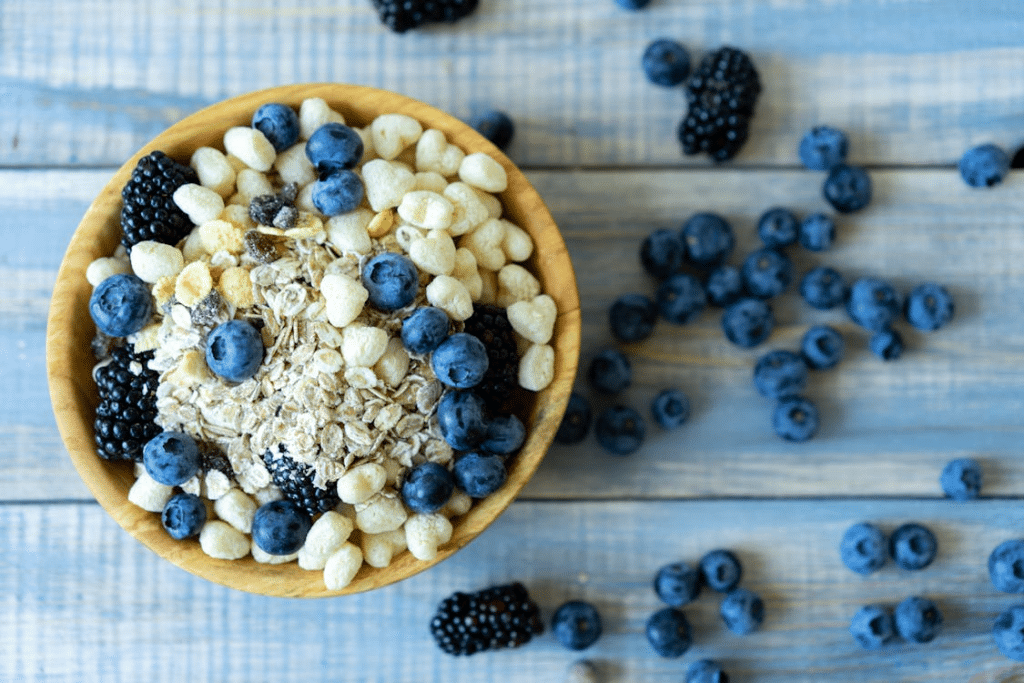
- Add complex carbs (oats, whole-grain toast, or quinoa).
- Incorporate fruits or vegetables for fiber and vitamins.
A balanced breakfast helps stabilize blood sugar and prevents morning fatigue.
2. Prioritize Complex Carbohydrates
Complex carbs release glucose slowly, providing steady energy.
Examples:
- Brown rice, quinoa, and oats.
- Whole-grain bread and pasta.
- Sweet potatoes and legumes.
They prevent the rapid energy crashes often caused by refined carbohydrates.
3. Include Lean Protein in Meals
Protein supports muscle repair and helps maintain satiety, preventing energy dips.
Options:
- Chicken, turkey, or fish.
- Lentils, beans, and tofu.
- Nuts and seeds.
Balanced protein intake promotes sustained energy and concentration.
4. Stay Hydrated
Dehydration is a common but overlooked cause of fatigue.
Strategies:
- Drink water throughout the day, not just when thirsty.
- Infuse water with lemon or cucumber for flavor.
- Limit sugary drinks that cause energy spikes.
Adequate hydration supports focus, metabolism, and overall stamina.
5. Choose Healthy Fats
Healthy fats provide long-lasting energy and support brain function.
Sources include:
- Avocados and olive oil.
- Fatty fish like salmon or mackerel.
- Nuts and seeds.
Incorporating these fats prevents energy fluctuations and supports heart health.
6. Eat Smaller, Frequent Meals
Large meals can lead to sluggishness, while smaller, balanced meals maintain steady energy.
Tips:
- Eat every 3–4 hours to avoid crashes.
- Include a mix of carbs, protein, and fat in each meal.
- Plan snacks like fruit with nut butter or hummus with vegetables.
This approach ensures energy levels remain stable throughout the day.
7. Limit Sugar and Processed Foods
Sugary snacks provide quick energy but often cause rapid crashes.
Better alternatives include:
- Fresh fruit instead of candy.
- Whole foods instead of packaged snacks.
- Homemade energy bars using oats, nuts, and dried fruit.
Choosing whole foods prevents fatigue and supports long-term wellness.
Final Thoughts
Incorporating nutrition tips that improve daily energy ensures better focus, productivity, and well-being. From starting the day with a balanced breakfast to staying hydrated and choosing complex carbs, these strategies create lasting energy.
Nutrition is more than just food—it’s fuel for a healthy, energized lifestyle. By making thoughtful choices, individuals can support both short-term vitality and long-term health.
References
- Harvard T.H. Chan School of Public Health. Nutrition and Energy Balance. https://www.hsph.harvard.edu
- Mayo Clinic. Healthy Eating for Energy. https://www.mayoclinic.org
- Cleveland Clinic. Foods That Boost Energy Naturally. https://my.clevelandclinic.org
- American Heart Association. Tips for a Heart-Healthy Diet. https://www.heart.org

 Smart Home Devices That Simplify Daily Tasks