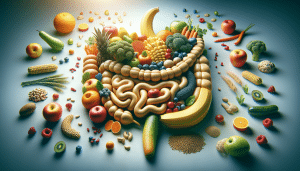
Nutrition Practices That Support Cognitive Function
Evangeline Keaton October 8, 2025
The brain is the control center of the body, responsible for memory, focus, decision-making, and creativity. Just as muscles require proper fuel to perform, the brain depends heavily on nutrition. In 2025, more research confirms that nutrition practices that support cognitive function can improve memory, reduce brain fog, and even lower the risk of age-related decline.
With rising awareness about mental performance—whether for students, professionals, or older adults—dietary habits are increasingly viewed as essential for cognitive health. From omega-3-rich foods to gut-friendly diets, nutrition is one of the most powerful tools to strengthen the mind.

Why Nutrition Matters for Cognitive Health
The brain consumes about 20% of the body’s energy. What we eat directly affects neurotransmitter activity, blood flow, and the structure of brain cells. Poor nutrition leads to fatigue, reduced attention span, and long-term risks like dementia. Conversely, nutrient-rich diets can:
- Improve memory retention.
- Enhance focus and concentration.
- Support mood stability.
- Reduce inflammation linked to neurodegenerative diseases.
Nutrition Practices That Support Cognitive Function
1. Prioritize Omega-3 Fatty Acids
Omega-3s, particularly DHA (docosahexaenoic acid), are critical for brain cell membranes.
- Found in fatty fish (salmon, sardines, mackerel), walnuts, and chia seeds.
- Improve communication between brain cells.
- Linked to reduced risk of Alzheimer’s disease and better focus.
Aim for at least two servings of fatty fish per week or consider supplements if dietary intake is low.
2. Adopt a Mediterranean or MIND Diet
The Mediterranean diet—and its variation, the MIND diet—are consistently linked with better brain health.
- Emphasizes vegetables, whole grains, fish, legumes, and olive oil.
- Reduces red meat, processed foods, and added sugars.
- Studies show it lowers cognitive decline risk by nearly 50% in some groups.
This pattern supports both heart and brain health through anti-inflammatory and antioxidant properties.
3. Support the Gut-Brain Connection
Gut health influences mood and cognition through the gut-brain axis.
- Eat probiotic-rich foods like yogurt, kefir, and kimchi.
- Include prebiotics (fiber from bananas, oats, asparagus) to feed healthy bacteria.
- Limit processed foods that disrupt gut microbiota.
A balanced gut improves serotonin regulation, enhancing focus and emotional stability.
4. Balance Blood Sugar for Stable Energy
Fluctuations in blood sugar can cause brain fog, irritability, and fatigue.
- Choose complex carbs like quinoa, oats, and brown rice.
- Pair carbohydrates with protein and healthy fats to slow absorption.
- Avoid sugary snacks that cause spikes and crashes.
Stable glucose levels are essential for sustained concentration.
5. Stay Hydrated
Even mild dehydration impairs short-term memory and alertness.
- Aim for 2–3 liters of water daily depending on activity level.
- Include hydrating foods such as cucumbers, oranges, and watermelon.
- Limit excessive caffeine and alcohol, which dehydrate the body.
Hydration supports optimal blood flow to the brain and prevents fatigue.
6. Incorporate Brain-Boosting Micronutrients
Several vitamins and minerals play critical roles in cognition:
- B vitamins (B6, B12, folate): essential for neurotransmitter production.
- Vitamin D: supports mood and mental clarity.
- Magnesium: calms the nervous system and enhances memory.
- Zinc and iron: vital for attention and learning.
Deficiencies can lead to concentration problems and impaired memory.
7. Include Antioxidant-Rich Foods
Oxidative stress contributes to cognitive decline. Antioxidants neutralize harmful free radicals.
- Eat berries (blueberries, blackberries, strawberries) daily.
- Add leafy greens like spinach and kale.
- Enjoy green tea or dark chocolate in moderation.
These foods protect brain cells and improve neuroplasticity.
8. Mindful Caffeine Consumption
Caffeine enhances alertness, but moderation is key.
- One to two cups of coffee or green tea per day boosts focus.
- Avoid high-sugar energy drinks that cause crashes.
- Time caffeine earlier in the day to protect sleep quality.
Used wisely, caffeine can enhance productivity without negative side effects.
9. Intermittent Fasting for Cognitive Clarity
Emerging research suggests intermittent fasting may benefit brain function.
- Promotes autophagy (cellular repair).
- Increases production of BDNF (brain-derived neurotrophic factor).
- Linked with improved focus and reduced risk of neurodegenerative disease.
Even a 12–14 hour overnight fast can be beneficial when done safely.
10. Limit Ultra-Processed Foods
Highly processed foods are linked with poor mental performance.
- High in refined sugars, trans fats, and additives.
- Contribute to inflammation and impaired brain signaling.
- Replace with whole, nutrient-dense alternatives.
Cutting down on processed foods is one of the simplest steps for cognitive health.
Daily Practices for Cognitive Nutrition
- Start mornings with a balanced breakfast (protein + complex carbs).
- Snack on nuts, seeds, or fruit instead of processed options.
- Meal prep brain-friendly lunches to avoid fast-food temptations.
- Drink water throughout the day, not just when thirsty.
- Limit late-night heavy meals to protect sleep and memory.
Consistency in these small steps makes a big difference over time.
The Future of Nutrition for Brain Health
In 2025, the field of nutritional neuroscience is advancing rapidly. Personalized nutrition—guided by genetic testing and microbiome analysis—is helping individuals optimize diets for cognitive performance. Functional foods, like nootropic drinks and fortified snacks, are entering mainstream markets.
At the same time, traditional dietary patterns like the Mediterranean diet continue to prove their effectiveness. The balance between innovation and timeless wisdom will shape how people nourish their minds in the years ahead.
Ultimately, nutrition practices that support cognitive function are about long-term investment. By fueling the brain with the right nutrients, individuals can protect memory, improve focus, and enjoy sharper thinking throughout life.
References
- Harvard Health Publishing. (2024). Foods linked to better brainpower. Retrieved from https://www.health.harvard.edu
- Medical News Today. (2024). Best foods for brain health. Retrieved from https://www.medicalnewstoday.com
- Verywell Health. (2025). The connection between nutrition and cognitive function. Retrieved from https://www.verywellhealth.com

 Smart Finance Tools That Simplify Budgeting