Interior Decor Ideas That Create Relaxing Spaces
Evangeline Keaton September 24, 2025
Creating a calming environment at home has become a priority for many people seeking to reduce stress and improve well-being. Interior decor ideas that create relaxing spaces focus on combining comfort, aesthetics, and functionality to transform any room into a peaceful retreat. Thoughtful design choices can influence mood, productivity, and overall mental health.
Recent trends highlight the growing interest in wellness-focused interiors. According to Architectural Digest, homeowners are increasingly seeking spaces that promote relaxation, including natural materials, soft lighting, and clutter-free arrangements. By incorporating these elements, it’s possible to create spaces that feel both inviting and restorative.
Why Relaxing Spaces Matter
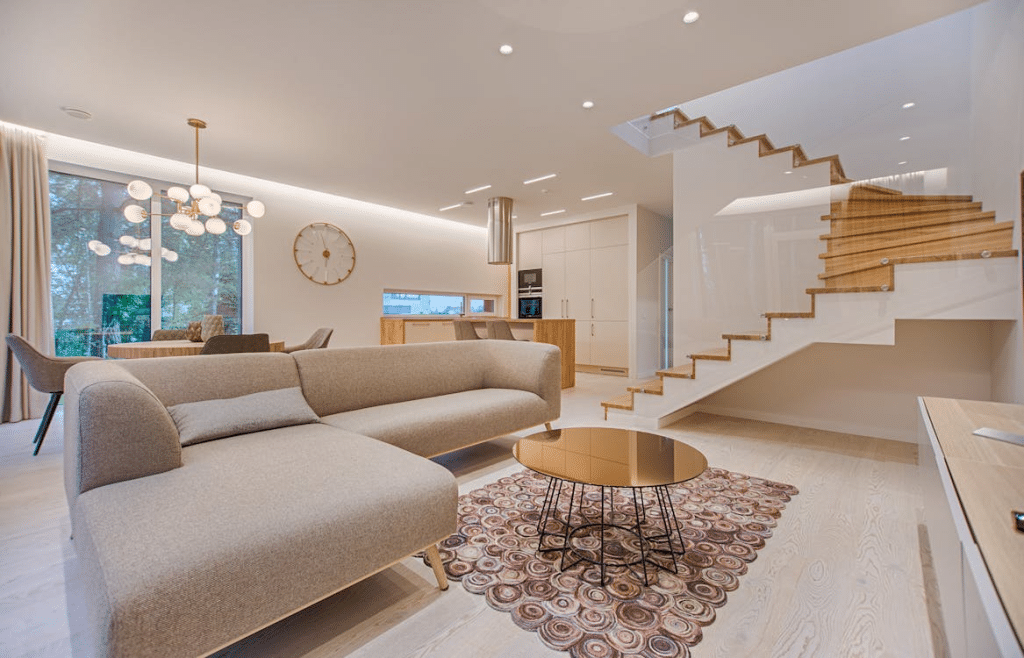
A well-designed relaxing environment can reduce stress, improve sleep quality, and enhance focus. Spaces that encourage relaxation support daily routines, foster mindfulness, and provide a sanctuary from busy lifestyles.
Designing with intention allows homeowners to create a balance between aesthetics and functionality, ensuring that rooms are both beautiful and calming.
1. Incorporate Soft, Neutral Color Palettes
Colors significantly impact mood. Soft, neutral tones like beige, light gray, and muted greens or blues create a soothing atmosphere that promotes relaxation.
Tips for color selection:
- Use lighter tones on walls to make spaces feel open.
- Combine soft colors with natural textures for warmth.
- Limit bold colors to accents or decorative items.
Neutral palettes reduce visual noise and help maintain a tranquil environment.
2. Utilize Natural Light and Soft Lighting
Lighting plays a crucial role in creating a relaxing ambiance. Natural light enhances mood, while soft, adjustable lighting supports calmness during evenings.
Suggestions:
- Maximize sunlight with sheer curtains or strategically placed mirrors.
- Use dimmable lamps and warm-toned bulbs for a cozy feel.
- Consider layered lighting, including floor lamps, table lamps, and wall sconces.
Balanced lighting helps regulate circadian rhythms and creates inviting spaces.
3. Include Comfortable and Functional Furniture
Furniture should support comfort while maintaining style. Ergonomic seating, soft cushions, and versatile pieces encourage relaxation and usability.
Ideas:
- Choose seating with supportive cushions and gentle textures.
- Incorporate ottomans or poufs for additional comfort.
- Select multipurpose furniture to reduce clutter and maintain a clean environment.
Comfortable furniture promotes physical ease and complements the calming atmosphere.
4. Bring in Natural Elements
Incorporating plants, wood, stone, and other natural materials can enhance tranquility. Biophilic design connects indoor spaces with nature, which has been shown to reduce stress.
Tips for natural elements:
- Add indoor plants to improve air quality and aesthetics.
- Use wooden furniture or stone accents for grounding textures.
- Incorporate water features, such as small fountains, for soothing soundscapes.
Natural materials create a sense of harmony and connection with the outdoors.
5. Minimize Clutter and Maximize Organization
Cluttered spaces can increase stress and reduce relaxation. Thoughtful organization and storage solutions are essential for maintaining a calming environment.
Strategies:
- Use baskets, shelves, and hidden storage to keep items out of sight.
- Maintain a minimalist approach to décor and personal items.
- Regularly declutter to keep spaces tidy and functional.
Organized spaces support mental clarity and foster a sense of calm.
6. Incorporate Soft Textiles and Cozy Accents
Soft textures enhance comfort and relaxation. Rugs, throws, cushions, and curtains create tactile warmth and invite comfort.
Suggestions:
- Layer different textures for visual and physical interest.
- Choose breathable fabrics like cotton, linen, or wool.
- Use neutral or muted patterns to complement calming décor.
Textiles contribute to a cozy environment that encourages rest and ease.
7. Design Zones for Specific Activities
Creating designated areas for reading, meditation, or relaxation helps reinforce a peaceful atmosphere. Thoughtful zoning separates active and restful areas, even in open-concept spaces.
Tips:
- Use furniture placement or rugs to define zones.
- Include small side tables or shelves to support activities.
- Add personal touches like candles, books, or artwork to encourage engagement.
Defined zones create structure and allow focused relaxation in each area.
Final Thoughts
Incorporating interior decor ideas that create relaxing spaces transforms homes into peaceful retreats. By focusing on color palettes, lighting, comfortable furniture, natural elements, and organization, homeowners can foster calmness and well-being in everyday life.
Relaxing spaces are not only aesthetically pleasing but also support mental health, mindfulness, and daily comfort. With thoughtful design choices, any room can become a sanctuary for rest and rejuvenation.
References
- Architectural Digest. Wellness-Focused Interior Design Trends. https://www.architecturaldigest.com
- Houzz. Creating Calming Home Spaces. https://www.houzz.com
- Real Simple. Tips for a Relaxing Home Environment. https://www.realsimple.com
- Psychology Today. The Impact of Interior Design on Mental Health. https://www.psychologytoday.com

 Fitness Challenges That Keep You Motivated