Gut Health Secrets That May Transform Your Wellness
Evangeline Keaton September 23, 2025
Explore the surprising impact gut health has on your well-being. Uncover how nutrition, microbiome balance, lifestyle choices, and stress can play a role in digestion and overall health. Learn steps and science-backed tips to support a healthy gut for a better quality of life.
Understanding the Gut Microbiome
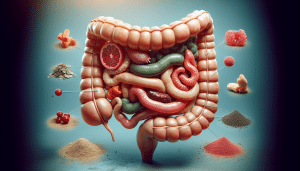
The gut microbiome is far more influential than many suspect. It refers to the community of trillions of microorganisms residing in the digestive tract. These microscopic residents—bacteria, viruses, fungi—play critical roles in digestion, immune defense, and even mental health. A diverse microbiome helps the body absorb nutrients, synthesize certain vitamins, and defend against pathogens. Scientists are still discovering new ways in which gut bacteria communicate with other body systems, such as the brain and skin, reinforcing the microbiome’s importance for total wellness (Source: https://www.nih.gov/news-events/nih-research-matters/microbiome-gut-brain-connection).
Several factors, from diet to antibiotics, influence the balance of beneficial and potentially harmful microbes in the gut. When this ecosystem is disrupted, issues like bloating or IBS may arise. More subtle effects can involve mood swings, brain fog, or changes in energy levels. Increasingly, research points to the gut-brain axis, a communication pathway between the gut’s neural network and the central nervous system. So, supporting microbiome diversity and function may have a ripple effect throughout the entire body.
Maintaining balance within the gut microbiome isn’t about perfection. It’s about daily, sustainable choices. Eating a varied diet rich in fiber, minimizing unnecessary antibiotics, and managing stress are common starting points. Many also explore fermented foods or researched probiotics, but the best approach is personalized and can be guided by healthcare professionals. Trusting the science—and your senses—encourages a more empowered, holistic view of gut wellness.
The Surprising Role of Diet in Gut Health
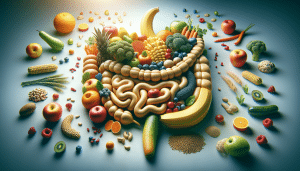
Dietary habits can transform the gut environment quickly. Fiber, for instance, acts as fuel for beneficial gut bacteria. Whole grains, fruits, vegetables, and legumes all contribute prebiotics, which help friendly bacteria thrive. When these foods are digested, short-chain fatty acids are produced, which help maintain the gut lining and regulate immune function (Source: https://www.hsph.harvard.edu/nutritionsource/disease-prevention/constipation/).
On the flip side, diets high in processed foods and sugar may harm the microbiome by promoting less desirable bacterial strains. Ultra-processed ingredients can starve beneficial species, leading to decreased diversity. Even moderate changes, like increasing leafy greens or reducing sugary treats, may positively impact gut health. It’s not about strict rules but about cultivating balance and variety on your plate. Each meal is an opportunity to feed your internal ecosystem.
Exploring fermented foods like yogurt, kefir, sauerkraut, and kimchi is another evidence-based way to support digestive health. These foods provide living probiotics that may assist in restoring balance after illness or antibiotics. It’s wise to start slowly if new to these flavors, listening to the body’s response as you incorporate more gut-friendly options. Learn more about what specific foods can influence gut health and how individual needs may vary.
Linking Gut Health and Mental Well-being
The idea that gut health and mental wellness are connected is gaining credibility. The gut produces and hosts a significant portion of the body’s serotonin, an important neurotransmitter for mood regulation. When gut bacteria are imbalanced, there may be implications for anxiety, mood swings, or even depression. The gut-brain axis allows signals to travel both ways, making digestion and emotional state deeply entwined (Source: https://www.ncbi.nlm.nih.gov/pmc/articles/PMC5641835/).
Emerging studies suggest certain probiotics may support mental resilience by altering inflammatory markers or enhancing neurotransmitter activity. This isn’t a substitute for therapy or professional care, but it ensures a holistic conversation around well-being. Chronic stress and poor sleep can also disrupt gut function, so incorporating stress management, mindfulness techniques, and prioritized rest is beneficial for both the mind and gut.
Recognizing the gut-mind connection helps explain why digestive discomfort often occurs in stressful times. Addressing both physical and emotional health through daily habits, dietary changes, and seeking whole-person support can improve both mood and body function. This interconnectedness reframes gut care as a cornerstone of self-care.
Common Gut Health Concerns and Early Signs
Digestive wellness goes beyond just occasional bloating. Early signs of imbalance might include persistent irregularity, cramps, unexplained fatigue, or frequent infections. Sometimes skin flare-ups or new sensitivities can hint that something deeper is happening in the gut. Those living with chronic stress or sleep disruptions may notice their digestive patterns shifting as well. It’s key to notice changes and trends rather than occasional symptoms.
Recognizing red flags means seeking care when needed but also exploring lifestyle changes. For example, food intolerances, rising inflammation, or disrupted gut flora can co-occur with stress or diet changes. Rather than assuming discomfort is ‘normal,’ tracking symptoms and experimenting with gentle interventions—like more water or mindful eating—can reveal what works individually. The earlier these are addressed, the easier it can be to restore harmony.
Consulting with healthcare professionals is advised for persistent symptoms or concerns, as they can guide evidence-based testing and treatment. Addressing root causes, versus just covering up symptoms, promotes longer-term wellness and may help prevent complications. Early action allows for personalized plans and support, making gut health a sustainable pursuit rather than a fleeting trend.
Lifestyle Habits That Support Digestive Wellness
Gut health isn’t dictated solely by food choices. Movement, hydration, sleep quality, and stress management are equally essential. Regular physical activity, such as walking after meals, supports intestinal motility and may ease bloating. Adequate water intake ensures waste moves smoothly, while sleep restores gut lining and balances hormones.
Managing stress is another pillar of gut wellness. Chronic stress triggers cortisol releases that may disrupt digestive rhythm or microbiome composition. Gentle practices like breathing exercises, yoga, time outdoors, or journaling help buffer the body from daily stressors. Even small lifestyle adjustments, repeated over time, compound to create a healthier environment within the digestive tract (Source: https://www.gastro.org/patient-care/patient-guidelines/gut-health).
Limiting unnecessary antibiotic use and being cautious with certain medications preserves the microbiome’s diversity. Prioritizing whole foods, varied movement, restful routines, and nurturing social connections all contribute to digestive and total wellness. Small, sustainable modifications mean better outcomes for the microbiome and long-term comfort.
Exploring the Science of Probiotics and Prebiotics
Probiotics and prebiotics are buzzwords in digestive health—but what do they mean? Probiotics are living microorganisms that, when given in adequate amounts, may support a balanced microbiome. Prebiotics, on the other hand, act as food for beneficial microbes. Together, they help maintain a robust, diverse community in the gut. Not all strains or foods deliver the same benefits, so careful selection is important (Source: https://www.mayoclinic.org/diseases-conditions/digestive-problems/in-depth/probiotics/art-20045345).
Scientific evidence suggests certain probiotics may help with digestive concerns such as irritable bowel syndrome, antibiotic-associated diarrhea, or immune support. However, effects can vary dramatically between products and individuals. Consulting with a healthcare provider can ensure any supplement aligns with personal medical history and needs.
Prebiotic fibers are found naturally in foods like bananas, onions, garlic, and asparagus. They help ‘feed’ good gut bacteria, fostering diversity. Including both probiotics and prebiotics in the diet—through food first, and supplements second if needed—offers a comprehensive approach to maintaining digestive wellness and encouraging healthy gut flora.
References
1. National Institutes of Health. (n.d.). Microbiome: Gut-brain connection. Retrieved from https://www.nih.gov/news-events/nih-research-matters/microbiome-gut-brain-connection
2. Harvard T.H. Chan School of Public Health. (n.d.). Fiber and constipation prevention. Retrieved from https://www.hsph.harvard.edu/nutritionsource/disease-prevention/constipation/
3. National Center for Biotechnology Information. (n.d.). Gut microbiota-brain axis. Retrieved from https://www.ncbi.nlm.nih.gov/pmc/articles/PMC5641835/
4. American Gastroenterological Association. (n.d.). Guidelines: Gut health. Retrieved from https://www.gastro.org/patient-care/patient-guidelines/gut-health
5. Mayo Clinic. (n.d.). Probiotics: What you need to know. Retrieved from https://www.mayoclinic.org/diseases-conditions/digestive-problems/in-depth/probiotics/art-20045345
6. Johns Hopkins Medicine. (n.d.). The gut-brain connection. Retrieved from https://www.hopkinsmedicine.org/health/wellness-and-prevention/the-gutbrain-connection

 Explore Startup Funding Options You Might Not Know