Fitness Routines That Improve Strength and Flexibility
Evangeline Keaton October 6, 2025
In 2025, one of the fastest-growing trends in the wellness industry is the integration of fitness routines that improve strength and flexibility directly into the home environment. People are no longer limiting exercise to gyms or studios; instead, they are turning kitchens, living rooms, and even hallways into practical workout spaces. This approach reflects a broader cultural shift: health and fitness must now adapt to busy schedules, limited time, and the growing preference for convenience without sacrificing effectiveness.
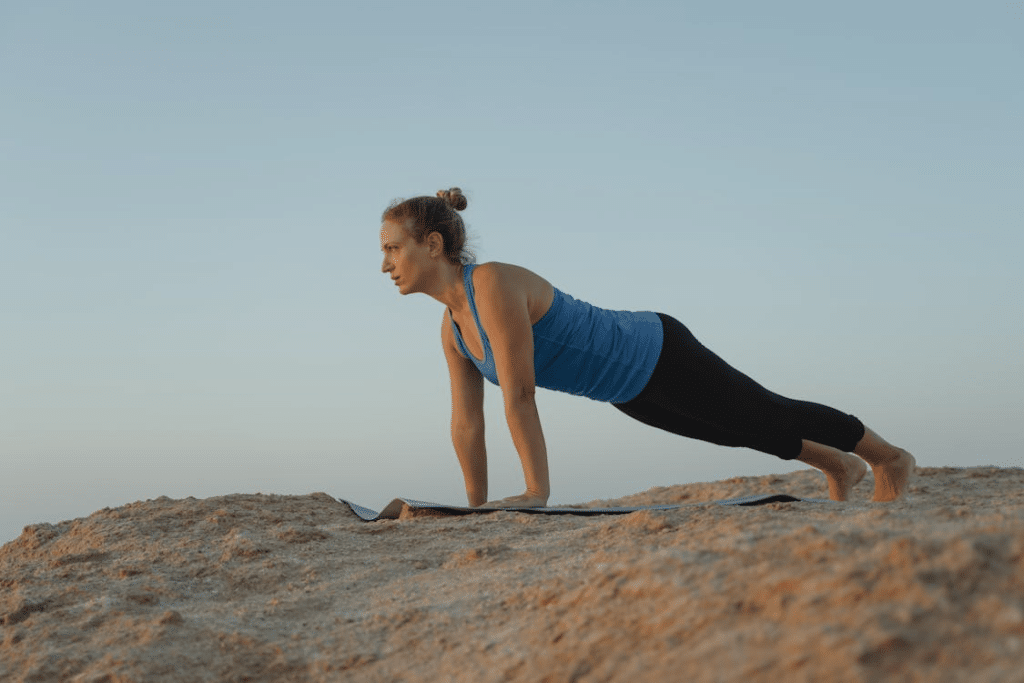
Why Fitness at Home Is a Growing Trend
Working from home and hybrid lifestyles have reshaped how we prioritize health. According to a 2024 Statista survey, nearly 60% of adults reported preferring at-home workouts because of time savings, reduced costs, and privacy. In addition, wellness culture is becoming more focused on functionality—exercises that directly support daily life tasks, mobility, and longevity.
Traditional strength training routines once relied heavily on gyms with weight machines, but home-based fitness encourages functional movement: squatting, stretching, and strengthening with minimal equipment. By weaving exercises into daily chores—such as waiting for water to boil or taking a break from screen time—people achieve consistency, one of the most critical factors for building long-term health.
The Kitchen as a Mini Fitness Studio
It may sound unconventional, but the kitchen has become a popular workout space. People spend significant time here preparing meals, waiting for appliances, or cleaning up—moments that can double as opportunities for short, effective exercises.
Kitchen-Friendly Strength and Flexibility Moves
- Countertop Push-Ups: Using a sturdy surface for incline push-ups reduces strain on the wrists and makes the move accessible while still working the chest and arms.
- Chair Squats: Practicing squats with a chair reinforces proper form and builds leg strength. It’s especially effective for beginners who want added stability.
- Calf Raises at the Sink: While washing dishes, performing 15–20 calf raises strengthens calves and improves ankle stability.
- Standing Hip Flexor Stretch: Resting one hand on the counter, step back with one leg to gently stretch tight hip flexors, which are often shortened from long sitting hours.
These exercises illustrate how daily moments in the kitchen can be reimagined as “fitness snacks.” Research from Harvard Health (2023) highlights that short bouts of activity sprinkled throughout the day significantly improve overall metabolic health.
The Role of Micro Workouts
Micro workouts—sessions lasting 5–10 minutes—are one of the hottest fitness trends in 2025. Instead of carving out an hour for exercise, people perform mini circuits multiple times a day. This model fits perfectly into home life, especially when using the kitchen or living room.
A 2024 study published in The Journal of Physiology found that micro workouts can match longer sessions in improving cardiovascular endurance and muscle tone, provided they are done consistently. For busy parents, professionals, or older adults, this approach lowers barriers to entry and removes excuses like “I don’t have time for the gym.”
Example of a Micro Workout Routine
- 10 incline push-ups at the counter
- 15 squats using a kitchen chair
- 12 glute bridges on the floor
- 20 seconds of cat-cow stretch for the spine
- Repeat for 2–3 rounds
This takes less than 10 minutes yet engages major muscle groups and boosts flexibility.
Combining Strength and Flexibility
Strength training and flexibility are often viewed separately, but modern fitness trends highlight their interdependence. Building strength without flexibility risks stiffness, while focusing solely on stretching without strength can reduce stability. At-home routines that merge both yield functional results.
Integrated Strength and Flexibility Flow
- Chair Flow Routine
- Seated leg lifts (strengthens core)
- Forward folds (stretches hamstrings)
- Seated twists (improves spinal mobility)
- Kitchen Yoga Stretches
- Standing quad stretch with one hand on counter
- Shoulder opener using a wall or cabinet edge
- Standing forward bend while waiting for an oven timer
These simple flows combine controlled movement with stretching, promoting balanced fitness in compact spaces.
How Technology Supports At-Home Fitness
Technology plays a major role in the rise of home-based fitness. Smart devices, apps, and AI-driven platforms provide guidance and motivation without requiring an in-person trainer.
- Smart Speakers: Set workout reminders or interval timers in the kitchen.
- Fitness Apps: Platforms like FitOn or Nike Training Club now offer micro routines specifically designed for small spaces.
- Wearable Devices: Smartwatches track movement, calories, and even posture, providing feedback during short kitchen workouts.
- Streaming Workouts: YouTube and TikTok are filled with 5-minute kitchen-friendly exercise routines, helping people stay consistent with little planning.
These digital tools democratize access to professional guidance, making fitness routines that improve strength and flexibility more attainable to everyone.
Minimal Equipment That Fits in the Kitchen
One of the biggest concerns for home fitness is space. However, modern tools are designed to be compact and easy to store.
- Resistance Bands: Lightweight and effective for strength and mobility.
- Yoga Mat: Can be rolled up and tucked behind a door, providing comfort for stretching or core work.
- Mini Dumbbells: Small weights can be stored in a kitchen drawer and used for arm and shoulder strength.
- Balance Cushion: Helps train stability while performing simple tasks like standing at the counter.
These items don’t clutter the home, making them perfect for apartments or small kitchens.
Practical Tips for Sticking with Home Routines
The challenge isn’t finding exercises—it’s maintaining consistency. Here are strategies that help transform intention into action:
- Attach movement to habits: For example, do countertop push-ups every time you make coffee.
- Visual cues: Leave resistance bands hanging on a visible hook in the kitchen.
- Set micro goals: Start with one short workout daily, then add more as it becomes a routine.
- Track progress: Logging workouts in an app or journal reinforces accountability.
- Mix variety: Alternate strength and flexibility routines to prevent boredom and ensure balanced fitness.
Long-Term Benefits of At-Home Strength and Flexibility Routines
The impact of consistency over time is powerful. Home-based routines not only improve physical health but also enhance mental well-being. Regular movement boosts endorphins, reduces stress, and combats the fatigue associated with sedentary lifestyles.
- Strength Gains: Stronger muscles protect joints, reduce back pain, and make daily tasks easier.
- Flexibility Improvements: Stretching reduces stiffness and enhances mobility, lowering the risk of injury.
- Posture and Core Stability: A mix of exercises supports spinal alignment, critical for people working long hours at desks.
- Healthy Aging: Functional fitness keeps older adults mobile and independent longer.
By combining practicality with accessibility, these routines support a sustainable approach to fitness—one that adapts to individual lifestyles rather than demanding major lifestyle changes.
Conclusion
The rise of fitness routines that improve strength and flexibility at home shows how modern wellness is evolving. Instead of needing specialized gyms, people are turning kitchens and living rooms into practical workout spaces, embracing micro workouts, and using simple tools and technology to stay consistent. This trend is not only convenient but also deeply aligned with the way people live and work today.
Home-based routines aren’t just a temporary solution—they represent a new standard in fitness: adaptable, functional, and accessible for everyone.
References
- Harvard Health Publishing. (2023). Short bouts of exercise add up to a longer, healthier life. https://www.health.harvard.edu
- Journal of Physiology. (2024). Impact of micro-workouts on cardiovascular and muscular health. https://physoc.onlinelibrary.wiley.com
- Statista. (2024). Share of adults exercising at home worldwide. https://www.statista.com
- Mayo Clinic. (2023). Exercise: How to get started and stay motivated. https://www.mayoclinic.org
- Healthline. (2024). At-home workouts for strength and flexibility. https://www.healthline.com

 Travel Destinations That Inspire Reflection and Growth