Do You Recognize the Surprising Signs of Gut Health Issues
Evangeline Keaton September 24, 2025
Many don’t realize the significant role gut health plays in overall wellbeing. This guide explores unexpected symptoms, science-backed lifestyle changes, and steps you can take to support gut balance. Discover how diet, stress, probiotics, and small habits influence gut harmony and long-term wellness.
Understanding the Gut Microbiome’s Hidden Impact
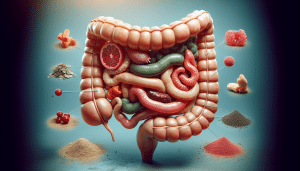
The gut microbiome quietly influences many aspects of daily health, from immunity to mental clarity. These microscopic residents—trillions of bacteria, fungi, and other microbes—help digest food, synthesize nutrients, and fight off invaders. Recent research links disruptions in microbial balance to surprising outcomes like fatigue, mood fluctuations, and even skin issues. It’s an invisible ecosystem working around the clock to keep everything in sync (Source: https://www.niddk.nih.gov/health-information/digestive-diseases/microbiome).
Different factors can shift the gut microbiome out of balance. Antibiotics, highly processed foods, poor sleep, and chronic stress all play a role. Disruption may lead to ‘dysbiosis,’ a state where harmful microbes outnumber the helpful ones. You may not notice this shift right away. Subtle symptoms might appear first—like bloating after meals, irregular bowel movements, or mild aches. Paying attention can help you take early steps to restore gut health.
Healthcare experts are increasingly focused on the gut’s connection to the mind. This link, called the gut-brain axis, demonstrates how changes in digestive health might influence mood and stress resilience. Researchers suggest that probiotics and specific dietary fibers can reinforce this connection. While the full story is still unfolding, everyday habits continue to shape the gut’s influence on the whole body (Source: https://www.health.harvard.edu/blog/gut-microbiota-2019052916687).
Surprising Symptoms Linked to Gut Health
Not all signs of gut imbalance are obvious. While digestive discomfort gets attention, experts observe other symptoms. For example, persistent tiredness and changes in mood may be traced back to the gut. Studies show that people with chronic fatigue often have reduced bacterial diversity. Skin flares—such as unexpected rashes or increased acne—might also occur when gut bacteria fall out of balance (Source: https://www.ncbi.nlm.nih.gov/pmc/articles/PMC5641835/).
Another subtle sign is difficulty handling stress. The gut produces neurotransmitters like serotonin, which affects relaxation and sleep. If gut bacteria are disrupted, these calming signals may not reach the brain efficiently. This can lead to disturbed sleep, irritability, and even sugar cravings. Many people are surprised to learn that intense sugar cravings might originate in the gut, not just from willpower or emotional triggers.
Food sensitivities can also increase when gut health is off balance. Experiencing discomfort after new or previously tolerated foods sometimes indicates microbiome disruption. This does not necessarily signal an allergy, but rather heightened intestinal sensitivity. Keeping a food journal may help reveal patterns. Over time, such awareness aids both doctors and individuals in piecing together how the gut could be influencing unexpected symptoms (Source: https://medlineplus.gov/ency/article/007447.htm).
Lifestyle Habits That Affect Your Gut Wellness
Everyday habits play a larger role than most realize in supporting or harming gut health. Diet, sleep, exercise, and stress routines intersect with microbial diversity. Diets high in plant fiber, minimally processed foods, and fermented items (such as yogurt or sauerkraut) are often connected with better gut quality. These foods offer nourishment not only for you but also for your beneficial bacteria.
Sufficient sleep gives the gut ecosystem time to repair and regenerate. Studies find that irregular sleep patterns and chronic sleep deprivation reduce microbial diversity and resilience. Exercise also helps. Physical activity, especially regular brisk walks or cycling, is associated with increased diversity in the gut. Each small, healthy habit compounds, nudging the microbiome toward balance (Source: https://www.cdc.gov/healthyweight/healthy_eating/index.html).
Stress is a less obvious but powerful disruptor of the microbiome. High, ongoing stress signals the gut to change its function—leading to slower digestion or irregular contractions. Over time, this may reduce beneficial bacteria. Simple practices like deep breathing, stretching, and spending time outdoors can counteract these effects. Incorporating mindful moments throughout your day is an accessible way to support both mental equilibrium and digestive harmony.
The Role of Probiotics and Prebiotics
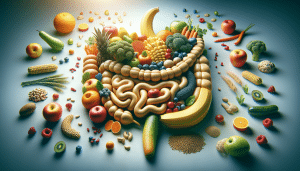
Probiotics—commonly found in yogurt, kefir, and certain supplements—are live bacteria that support gut balance. Consuming these can replenish beneficial microbes following disruption. Prebiotics, on the other hand, are fibers found in plant foods that nourish existing good bacteria. Apples, bananas, leeks, onions, and oats are natural sources of prebiotics that fuel a thriving gut ecosystem.
Adding both probiotic and prebiotic foods to your daily diet is a practical step to encourage bacterial diversity. Experts highlight that different probiotics provide different benefits, and not all strains have the same effect. Reading food labels and rotating between a variety helps offer more support to your microbiome. Gradually increasing fiber intake supports a gentler transition for sensitive digestive systems (Source: https://www.nccih.nih.gov/health/probiotics-what-you-need-to-know).
When considering supplements, it’s important to consult a healthcare professional. Supplement quality and effectiveness vary widely. For most people, starting with whole food options is effective and safe. Regular intake of leafy greens, root vegetables, and fermented items can tip the balance. With conscious choices, the gut regains balance, helping energy levels, mental clarity, and immune strength follow suit (Source: https://www.ncbi.nlm.nih.gov/pmc/articles/PMC3904694/).
Everyday Tips for Supporting Gut Harmony
Practical self-care fosters a healthy gut. Staying hydrated is crucial—water helps move nutrients and fibers through the digestive tract. Chewing food thoroughly encourages better digestion, giving enzymes and bacteria more time to work. Limiting highly processed foods and added sugars reduces the load on the gut’s microbial community.
Try gentle daily movement, even if it’s a 10–15 minute walk after meals. Bodies are designed to move, and activity helps maintain natural digestive rhythms. Experiment with mindful eating: pause and notice flavors, textures, and feelings of fullness. This simple act encourages satisfaction and reduces the urge to overeat, which can trigger bloating and discomfort.
Celebrate small victories. Maintaining a food and symptom diary proves useful. Tracking what works can highlight personal patterns, making it easier to share with healthcare providers. Over time, these practical changes shift the gut back toward balance, supporting overall wellness, resilience, and comfort (Source: https://www.gastro.org/practice-guidance/gi-patient-center/topic/gut-health).
When to Seek Professional Guidance
Monitoring gut health at home is important, but certain symptoms call for expert advice. Persistent pain, significant weight changes, or blood in stool require qualified evaluation. These may signal deeper underlying conditions—such as inflammatory bowel disease or infections—that need a medical approach. Early consultation leads to more effective care and peace of mind.
Healthcare professionals can offer targeted tests, such as stool analyses or breath tests, to pinpoint imbalances. They also work alongside dietitians to create personalized wellness plans that align with unique needs. Addressing gut health isn’t one-size-fits-all; collaboration brings lasting solutions. Engaging with care teams ensures safety and optimizes outcomes (Source: https://www.cdc.gov/digestivediseases/index.html).
New research and treatments continually expand options in this area. Exploring evidence-based therapies guided by health experts gives you confidence in the journey to improved gut wellness. Small steps, professional insight, and a willingness to adapt all come together. Well-supported choices lay a foundation for energy, clarity, and a sense of balance that extends far beyond digestion.
References
1. National Institute of Diabetes and Digestive and Kidney Diseases. (n.d.). The Digestive System & the Microbiome. Retrieved from https://www.niddk.nih.gov/health-information/digestive-diseases/microbiome
2. Harvard Health Publishing. (n.d.). The gut-brain connection. Retrieved from https://www.health.harvard.edu/blog/gut-microbiota-2019052916687
3. National Center for Biotechnology Information. (2017). Gut Microbiota and Health: Mechanistic Insights. Retrieved from https://www.ncbi.nlm.nih.gov/pmc/articles/PMC5641835/
4. MedlinePlus. (n.d.). Food intolerance. Retrieved from https://medlineplus.gov/ency/article/007447.htm
5. Centers for Disease Control and Prevention. (n.d.). Healthy Eating for a Healthy Weight. Retrieved from https://www.cdc.gov/healthyweight/healthy_eating/index.html
6. American Gastroenterological Association. (n.d.). Gut Health Explained. Retrieved from https://www.gastro.org/practice-guidance/gi-patient-center/topic/gut-health

 Secret Ways You Save Big on Luxury Travel