Discover Simple Habits That Transform Gut Health
Evangeline Keaton November 17, 2025
Curious about gut health? Find out how daily habits shape digestion, immunity, and overall wellness. This guide explores strategies, foods, and scientific insights to help empower individuals to build a balanced gut environment and support lifelong vitality.
Gut Health and Its Role in Everyday Wellness
Gut health has become a foundation of modern wellness discussions, not only among healthcare professionals but also in daily routines across all age groups. The term refers to the optimal function and balance of the bacteria, viruses, and fungi living in the digestive tract, collectively known as the gut microbiome. These microorganisms influence how effectively nutrients are absorbed, how the immune system responds to threats, and even how emotions are regulated. Research highlights the gut’s impact on various aspects of health including digestion, metabolism, and hormonal balance. Your gut works quietly behind the scenes, but its influence is vast.
Surprising links have been found between gut health and chronic conditions such as type 2 diabetes, inflammatory bowel syndrome, and even depression. The gut communicates with the brain along the gut-brain axis, an information superhighway that scientists are only beginning to fully understand. This communication means a disrupted gut microbiome can impact mental clarity and mood. As more people become aware of the broader impact of gut function, interest in probiotic-rich foods and lifestyle changes is growing. By learning about gut health, individuals can make practical choices that affect their energy levels and resilience.
Unlike trends that come and go, a focus on the gut brings lasting benefits. Everyday choices—from the foods you eat to how you manage stress—can either support or challenge gut bacteria. With digestive wellness so intimately tied to immune strength and even skin clarity, simple routine shifts may lead to profound improvements in feeling and functioning. This is why gut health is gaining attention in families, workplaces, and the medical community alike.
The Microbiome: Understanding This Hidden Ecosystem
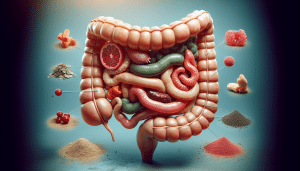
Delving deeper, the microbiome is a diverse ecosystem of microorganisms lining the digestive tract. Each person hosts trillions of bacterial cells, many of which are essential for breaking down tough fibers, producing vitamins, and teaching immune cells how to respond. Think of them as invisible helpers: they outnumber human cells and shape much of our internal environment. Studies reveal that a diverse microbiome offers better protection against infection, allergies, and autoimmune issues. A less diverse microbiome, often linked to high-processed diets or frequent antibiotics, can lead to imbalances known as dysbiosis.
Maintaining microbial diversity doesn’t require specialty products—simple dietary changes like increasing plant variety in meals or adding fermented foods often make a powerful difference. Evidence shows certain strains of bacteria support gut lining integrity, while others are linked to serotonin production, a key chemical affecting mood and sleep cycles. Having a robust collection of beneficial bacteria allows the digestive tract to stay resilient in the face of stress or dietary shifts. It’s a natural buffer for many modern lifestyle challenges.
Your microbiome is shaped starting in infancy by birth method, feeding choices, and environmental exposures. As people age, the mix of beneficial and potentially harmful microbes shifts, often influenced by changes in activity level, stress, or medication use. By staying proactive through nutrition and lifestyle, it’s possible to preserve or even restore a healthy balance of gut microbes. This emerging awareness helps clarify why some people thrive on certain diets or respond better to digested nutrients than others.
Food Choices That Support Digestive Wellness
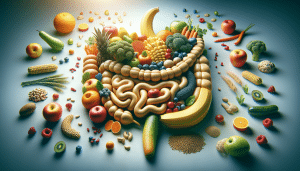
The gut is directly influenced by the foods you choose. A diet rich in fiber, plant-based foods, and fermented products helps fuel beneficial bacteria and keeps digestion smooth. Foods like whole grains, bananas, onions, garlic, beans, and berries contain prebiotics—special plant fibers that serve as food for healthy bacteria. Fermented foods such as yogurt, kefir, sauerkraut, kimchi, and miso introduce live cultures that further diversify the microbiome and aid in nutrient breakdown. Each forkful holds opportunity to reshape internal harmony.
Consistent research shows that highly processed foods, sugary drinks, and artificial sweeteners can disrupt the delicate microbial balance. Some additives may even encourage growth of less beneficial bacteria. Individuals interested in improving gut health often notice positive changes by making gradual swaps from white bread or refined snacks to colorful vegetables and legumes. What you eat feeds not just the body, but trillions of helpers within—by choosing variety and minimally processed options, those helpers can thrive.
Sustaining healthy digestion is not about strict diets or deprivation. Many people find that a flexible, balanced approach—where each meal contains a mix of fiber, natural fats, and beneficial proteins—leads to greater satisfaction and fewer digestive complaints. Hydration plays a critical but sometimes overlooked role; water keeps the digestive tract moving smoothly and supports elimination of waste. What seems like a minor adjustment, such as adding a handful of raw nuts to a salad or drinking extra water, can in fact help strengthen the gut ecosystem over time.
Lifestyle Strategies for a Balanced Gut
Diet is just one part of the gut health equation. Daily habits—ranging from stress management to quality sleep—profoundly affect the digestive system. Chronic stress alters gut motility and increases inflammation, sometimes leading to symptoms like bloating or irregularity. Mindfulness practices, regular exercise, and restful sleep all support a calm and efficient digestive tract. Each stress management tool becomes part of an ongoing process to protect the gut lining and encourage beneficial bacteria to flourish.
Exercise doesn’t need to be vigorous to have gut benefits. Even moderate, consistent movement like walking or gentle yoga has been shown to increase gut microbial diversity. Movement also helps reduce systemic inflammation and supports healthy peristalsis—the gentle contractions that move food along the digestive tract. By integrating enjoyable activities into routines and recognizing their impact beyond weight management or muscle tone, overall wellness becomes easier to maintain with fewer digestive interruptions.
Finally, quality sleep acts as a nightly reset for both the gut and the brain. Disrupted sleep cycles are linked to changes in microbiome diversity and a greater risk of metabolic imbalances. Setting consistent bedtimes, limiting electronics before sleep, and allowing enough hours for deep rest benefit both gut bacteria and the larger immune environment. These strategies build resilience, making the gut better equipped to handle daily ups and downs.
Recognizing Signs of Gut Imbalance
Gut imbalance manifests in ways that may seem unrelated to digestion alone. Symptoms like fatigue, skin flare-ups, unexpected weight changes, or frequent illnesses can sometimes point to dysbiosis—a disruption in the microbiome. Classic digestive symptoms include bloating, gas, diarrhea, constipation, or discomfort after eating. Recognizing these patterns allows individuals to experiment with dietary and lifestyle adjustments or consult with healthcare providers for tailored guidance.
No single test can capture the microbiome’s complexity, but emerging research helps identify warning signs. For example, recurring yeast infections or new food sensitivities may link back to gut flora shifts. Relying on both symptom observation and professional advice offers a thoughtful approach, especially when symptoms persist or worsen over time. Monitoring trends, rather than isolated incidents, helps clarify whether deeper investigation or intervention is needed.
Gut health challenges are common and nothing to be ashamed of. By sharing experiences and learning about gut wellness, many find a renewed sense of empowerment. Building awareness allows people to take small steps toward healing, cultivate self-compassion, and realize that the body is always working to restore balance. This journey, guided by both science and lived experience, highlights the importance of listening to the body’s signals.
Fostering Lifelong Gut Health Habits
The road to optimal gut health is ongoing. Early changes, no matter how simple, build the foundation for resilience throughout life. Practicing gratitude at meals, eating slowly, and focusing on variety helps reinforce each positive choice. As individuals gain confidence in understanding their unique gut needs, new habits become easier to maintain and more effective over time.
Community resources—such as support groups, nutrition workshops, or public health campaigns—can empower individuals seeking guidance on gut-friendly living. Reliable sources provide up-to-date information on common gut health concerns, the science behind probiotic and prebiotic foods, and actionable tips for improvement. Access to credible knowledge goes hand in hand with personal experimentation and observation, creating a balanced approach to wellness.
Ultimately, gut health is an ongoing relationship. It responds to kindness, curiosity, and patience. While setbacks may occur, using every meal as an opportunity to nourish supportive bacteria shapes well-being at both the cellular and emotional level. Each step taken towards a thriving gut supports not just digestive comfort, but whole-body vitality and a sense of long-term flourishing.
References
1. National Institutes of Health. (2021). Your digestive system and how it works. Retrieved from https://www.niddk.nih.gov/health-information/digestive-diseases/digestive-system-how-it-works
2. Harvard T.H. Chan School of Public Health. (n.d.). The gut microbiome. Retrieved from https://www.hsph.harvard.edu/nutritionsource/microbiome/
3. Mayo Clinic. (2023). Digestion: Why is it important? Retrieved from https://www.mayoclinic.org/diseases-conditions/indigestion/expert-answers/digestion/faq-20057817
4. Johns Hopkins Medicine. (n.d.). The gut-brain connection. Retrieved from https://www.hopkinsmedicine.org/health/wellness-and-prevention/the-gut-brain-connection
5. Cleveland Clinic. (2021). Gut health: The importance of the microbiome. Retrieved from https://health.clevelandclinic.org/gut-microbiome/
6. U.S. Department of Agriculture. (n.d.). Dietary Guidelines for Americans. Retrieved from https://www.dietaryguidelines.gov/

 Unexpected Ways Interior Design Impacts You