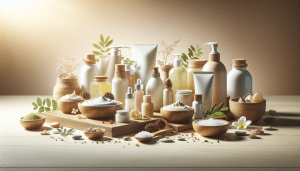
Discover Natural Ingredients That Transform Your Skin
Seraphina Marlowe September 28, 2025
Explore the growing world of natural skincare ingredients and how they can enhance beauty routines. Learn about plant-based oils, gentle acids, and antioxidants people are adding to elevate their wellness and beauty rituals naturally.
The Rise of Natural Skincare in Modern Wellness
Interest in natural skincare ingredients continues to soar as individuals seek gentle, plant-based options for beauty routines. The appeal lies in the combination of effective results and a focus on holistic wellness. While synthetic compounds have dominated for decades, there’s a movement toward embracing botanicals, cold-pressed oils, and milder acids that nourish skin without harsh side effects. The trend spans all ages, with younger and older people alike exploring how clean beauty can simplify daily regimens. This empowers consumers to understand the ingredients they apply and highlights the importance of skin barrier restoration through non-irritating products.
Greater awareness about what goes into products leads many to inspect ingredient lists carefully, seeking out familiar names like aloe vera, chamomile, and green tea extract. These ingredients are known for calming inflammation and providing antioxidant protection. Routine use can create a visible glow and support long-term skin health. As scientific studies validate traditional wisdom, many are discovering that nature-inspired solutions can offer gentle exfoliation, hydration, and even anti-aging benefits. Individuals seek out cruelty-free and vegan labels, too, aligning beauty routines with ethical values.
Social platforms and educational campaigns share transformation stories that inspire others to try natural skincare. By removing unnecessary fragrances, parabens, and artificial agents, users often report improvements in texture and tone. Tips and tutorials encourage experimentation, but experts caution that natural doesn’t always mean allergy-proof. Patch testing is a smart step before integrating any new botanical or essential oil. Overall, the shift toward organic and eco-friendly skincare reflects both a desire for radiance and respect for the environment.
Understanding Plant Oils and Their Benefits for Skin Hydration
Plant oils are the backbone of many natural beauty regimes. Options such as jojoba, argan, and rosehip oil deliver intense hydration while balancing skin’s sebum production for both dry and oily types. Their molecular structures often mimic the skin’s natural lipids, allowing for easy absorption without clogging pores. In particular, argan oil’s high vitamin E content can soothe irritation and visibly reduce flakiness, making it a preferred moisturizer in arid climates or dry seasons.
Another popular oil, rosehip seed oil, is renowned for its lightweight texture and regenerative properties. It is rich in essential fatty acids and vitamin C, which can support collagen formation and reduce the appearance of scars. Many users turn to rosehip oil to brighten dull complexions and address hyperpigmentation caused by sun exposure. Infused oils, such as calendula or chamomile, deliver soothing benefits to sensitive or inflamed skin when used as a gentle nightly facial massage or as a spot treatment.
It’s important to select cold-pressed and unrefined oils, as these retain more phytonutrients and antioxidants than their highly processed counterparts. Blends may combine several botanical oils, enhancing the spectrum of omega fatty acids and protective benefits. With plant-based hydration, users notice less tightness, softer skin texture, and improved elasticity—without reliance on synthetic emollients. When chosen carefully, botanical oils provide both nourishment and a sensory self-care ritual, enhancing overall well-being.
Gentle Acids and Exfoliation for Brighter Complexions
Exfoliation is an essential aspect of maintaining glowing, even skin, but many chemical exfoliants can be too harsh, leading to redness and irritation. In natural beauty, alpha-hydroxy acids (AHAs) derived from fruits such as lactic, glycolic, and mandelic acid provide a gentler alternative. These substances dissolve dead cells on the skin’s surface, boosting cell turnover and enhancing natural luminosity. Consistent, low-dose use can smooth rough patches, minimize fine lines, and make other skincare products absorb more effectively.
Beta-hydroxy acids like salicylic acid, often sourced from willow bark, have become a staple for those with congested or acne-prone skin. Salicylic acid’s oil-soluble nature allows it to penetrate and clear clogged pores, making it ideal for combatting breakouts while avoiding over-drying nearby areas. Gentle exfoliants such as papaya or pumpkin enzymes are also popular among those seeking less irritation. Enzyme masks offer mild resurfacing, revealing fresher-looking skin without scrubbing or stinging.
Pairing exfoliating acids with nourishing ingredients prevents unwanted dryness or sensitivity. Many formulas now include soothing allies like aloe, green tea, or squalane to counterbalance potential side effects. Choosing rinse-off masks or liquid exfoliants tailored to individual skin type ensures benefits without harm. Individuals considering natural acids are advised to check for sun sensitivity and always apply SPF after use, since new skin is more vulnerable to UV rays.
The Role of Antioxidants in Everyday Skincare
Antioxidants defend skin against daily environmental stressors such as pollution and sunlight. Vitamin C, one of the most researched antioxidants, helps brighten skin and minimize signs of aging by neutralizing free radicals. People are increasingly layering vitamin C serums under moisturizers for a visible radiance boost. Natural sources, such as sea buckthorn or pomegranate extract, add further nourishment and encourage the production of new skin cells, supporting overall vitality.
Other antioxidant powerhouses include vitamin E and green tea polyphenols, which can help calm inflammation and fortify the skin barrier. These compounds are often found in lightweight serums or facial mists that can be added throughout the day. Antioxidants also serve in protecting active ingredients from breaking down, extending a product’s shelf life. For sensitive skin, formulations featuring resveratrol or licorice root extract offer gentler but still effective protection from oxidative stress.
While many antioxidants may be ingested via a diet rich in fruits and vegetables, topical application provides a more concentrated dose. This double-pronged approach amps up both internal and external defenses. As understanding grows, people are integrating antioxidants into every layer of their routine – from cleansers to night creams – to maintain a youthful, healthy complexion over time. The result: skin that is more resilient and even-toned, with fewer visible marks of daily wear and tear.
Exploring Safe DIY Remedies with Home Ingredients
Homemade skin remedies have long been trusted for nourishing dry or irritated complexions. Oatmeal masks, honey rinses, and cucumber compresses are popular for their simplicity and low risk of sensitivity. Colloidal oatmeal, for instance, acts as a gentle anti-inflammatory, calming skin affected by eczema and redness. Blended with raw honey, these treatments can create a hydrating mask that locks in moisture and soothes irritation in just fifteen minutes.
Kitchen staples like yogurt, turmeric, and avocado are rich in lactic acid, curcuminoids, and essential fatty acids, respectively. Yogurt exfoliates and brightens, turmeric reduces visible marks, and avocado masks deeply hydrate the skin barrier. Careful mixing and patch testing are key, as raw ingredients can trigger allergic reactions if not used properly. Guides from credible dermatology organizations can help individuals safely navigate which DIY options have real science behind them.
Though there’s nostalgia to passing down family beauty recipes, it’s important to recognize the limitations and potential risks of homemade skincare. Many people use DIY as a supplement rather than a replacement for dermatologically tested products. Collaboration between traditional wisdom and evidence-based research gives users the knowledge needed to harness the best of both worlds, supporting long-term skin wellness without overreliance on unverified remedies.
Choosing Clean Beauty Products and Understanding Labels
With countless options on shelves, navigating clean beauty labels can be daunting. Buzzwords like “natural,” “organic,” and “non-toxic” aren’t always regulated in cosmetics, making research crucial. Trusted sources recommend looking for transparent ingredient lists, third-party certifications, and cruelty-free claims supported by organizations like Leaping Bunny. Awareness about preservatives and potential allergens helps individuals avoid irritants while still benefiting from modern formulation science.
For those prioritizing sensitive-skin wellness, fragrance-free and hypoallergenic labels offer reassurance that their products lack unnecessary additives. Some seek certifications from Ecocert, USDA Organic, or EWG Verified, indicating adherence to stricter standards. Understanding what each logo represents can prevent confusion and help build a routine that aligns with personal values. Education empowers consumers to voice preferences and support companies committed to environmental and ethical responsibility.
Staying informed is a continual process. Many refer to dermatologists, pharmacists, or peer-reviewed resources before choosing a product. This minimizes risks of irritation or false claims. The clean beauty movement aims to demystify ingredient lists and offer transparency, helping all make safer, better-informed choices to support long-term skin health. As wellness and awareness grow, natural skincare becomes a foundation for both beauty and self-confidence.
References
1. American Academy of Dermatology Association. (n.d.). How to safely use skin care products. Retrieved from https://www.aad.org/public/everyday-care/skin-care-basics/care/how-to-safely-use-skin-care-products
2. National Center for Complementary and Integrative Health. (n.d.). Herbs at a glance. Retrieved from https://www.nccih.nih.gov/health/herbsataglance
3. Environmental Working Group. (n.d.). EWG’s Skin Deep Cosmetics Database. Retrieved from https://www.ewg.org/skindeep/
4. U.S. Food and Drug Administration. (n.d.). Cosmetics Labels & Claims. Retrieved from https://www.fda.gov/cosmetics/cosmetics-labeling-claims
5. Mayo Clinic. (n.d.). Natural skin care: Does it work? Retrieved from https://www.mayoclinic.org/healthy-lifestyle/adult-health/in-depth/natural-skin-care/art-20046204
6. Harvard Health Publishing. (n.d.). The science of skin care. Retrieved from https://www.health.harvard.edu/staying-healthy/the-science-of-skin-care

 You Can Discover Affordable Housing Paths