Wellness Practices That Support Emotional Balance
Evangeline Keaton October 8, 2025
In today’s fast-paced and unpredictable world, maintaining inner stability can feel like a constant challenge. Stress, social pressures, and daily responsibilities often affect mental well-being, making it harder to stay calm and grounded. That’s why many people are turning to wellness practices that support emotional balance. These routines not only help manage stress but also promote resilience, self-awareness, and long-term well-being.
In 2025, wellness is less about quick fixes and more about sustainable strategies. From mindfulness rituals to digital detoxes, evidence-based practices are empowering individuals to cultivate greater emotional balance in their everyday lives.
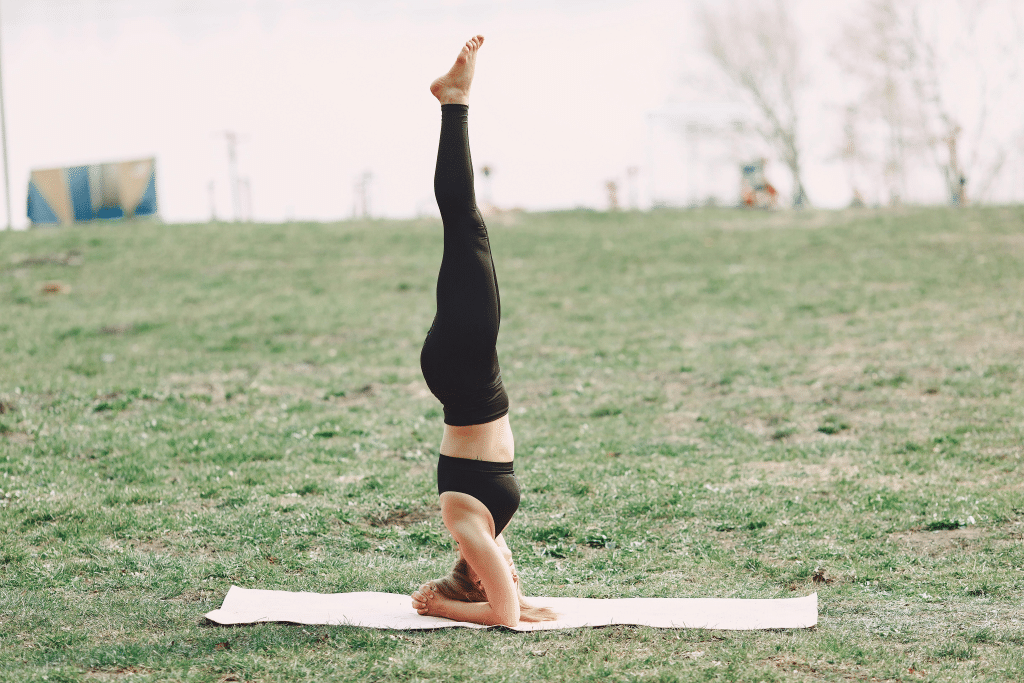
Why Emotional Balance Matters
Emotional balance is the ability to manage feelings without being overwhelmed by them. It doesn’t mean avoiding negative emotions—it means navigating them with awareness and perspective. According to the American Psychological Association, people with greater emotional balance are more resilient, make better decisions, and experience healthier relationships.
When emotions are unregulated, stress hormones like cortisol stay elevated, leading to burnout, anxiety, and even physical illness. Wellness practices offer tools to restore equilibrium, reduce stress, and improve both mental and physical health.
Wellness Practices That Support Emotional Balance
1. Mindful Breathing and Meditation
Breath is one of the simplest yet most powerful wellness tools. Meditation and mindful breathing calm the nervous system, reducing stress and enhancing clarity.
- Try box breathing: inhale for 4, hold for 4, exhale for 4, hold for 4.
- Practice daily meditation, starting with 5–10 minutes.
- Use apps like Headspace or Calm for guided sessions.
Regular mindfulness practice rewires the brain to respond thoughtfully rather than react impulsively.
2. Physical Activity for Stress Relief
Exercise is a proven mood stabilizer. Physical activity triggers endorphins, improves sleep, and provides an outlet for tension.
- Yoga and tai chi combine movement with mindfulness.
- Cardio activities like jogging or cycling reduce anxiety.
- Strength training builds resilience both physically and mentally.
Even short workouts—like a 20-minute walk—can restore emotional balance after stressful days.
3. Journaling for Self-Reflection
Writing down thoughts helps process emotions and provides perspective.
- Keep a daily gratitude journal.
- Use prompts like “What emotion am I experiencing right now?”
- Track patterns to identify stress triggers.
Journaling creates mental space, helping emotions feel less overwhelming.
4. Digital Detox and Screen-Time Boundaries
Excessive screen time often leads to information overload and emotional exhaustion. Setting boundaries restores balance.
- Schedule “tech-free” hours, especially before bed.
- Limit social media to avoid comparison and anxiety.
- Replace scrolling with reading, stretching, or mindful breaks.
A digital detox creates space for calm, focus, and emotional reset.
5. Restorative Sleep Habits
Sleep is essential for emotional regulation. Poor sleep increases irritability, anxiety, and stress.
- Keep a consistent bedtime routine.
- Avoid caffeine or screens at night.
- Try calming rituals like reading or herbal tea before sleep.
Quality rest gives the brain time to reset, strengthening emotional resilience.
6. Nutrition That Supports Mood
What we eat impacts how we feel. Nutrient-rich diets stabilize mood and energy.
- Omega-3 fatty acids (found in salmon, walnuts, chia seeds) support brain health.
- Complex carbs like oats and quinoa regulate serotonin levels.
- Fermented foods (yogurt, kimchi, kefir) support gut health, which affects mood.
A balanced diet helps prevent energy crashes that fuel emotional imbalance.
7. Building Strong Social Connections
Human connection is vital for emotional health. Supportive relationships provide perspective, comfort, and belonging.
- Spend quality time with friends and family.
- Join community groups or wellness circles.
- Seek therapy or coaching when extra support is needed.
Healthy relationships create emotional buffers against life’s stressors.
8. Creative Expression
Art, music, and creative hobbies allow emotions to flow constructively.
- Paint, play an instrument, or dance.
- Try adult coloring books or DIY crafts.
- Use creative outlets to release tension and spark joy.
Creativity promotes mindfulness and self-expression, both key to emotional balance.
9. Nature Therapy and Outdoor Time
Spending time outdoors reduces stress and restores calm. A 2024 study from the University of Exeter found that just 20 minutes in nature lowered cortisol levels.
- Take daily walks in parks or gardens.
- Try gardening as both a mindful and grounding activity.
- Combine outdoor exercise with mindfulness practices.
Nature acts as a natural stress reliever and mood stabilizer.
10. Setting Healthy Boundaries
Saying yes to everything often leads to emotional exhaustion. Boundaries protect energy and emotional well-being.
- Learn to say no without guilt.
- Prioritize activities aligned with your values.
- Limit exposure to negativity and draining environments.
Boundaries create space for balance, clarity, and inner peace.
Practical Tips for Daily Balance
- Start mornings with 5 minutes of deep breathing.
- Move your body for at least 20 minutes daily.
- Replace one evening scroll with journaling or reading.
- Add leafy greens or omega-rich foods to meals.
- Schedule downtime as intentionally as work tasks.
Consistency is key—small daily habits build long-term emotional resilience.
The Future of Emotional Wellness
In 2025, emotional balance is being supported by both ancient wisdom and modern technology. Apps now track stress levels, wearable devices monitor breathing, and workplaces are offering mindfulness programs. At the same time, traditional practices like yoga, meditation, and journaling remain at the core of wellness routines.
The future points toward personalized wellness, where individuals adopt routines tailored to their unique needs, blending tech tools with timeless practices. Ultimately, emotional balance is less about perfection and more about sustainable daily habits.
References
- American Psychological Association. (2024). The science of emotional regulation and resilience. Retrieved from https://www.apa.org
- Harvard Health Publishing. (2023). Mindfulness and its impact on stress and emotional balance. Retrieved from https://www.health.harvard.edu
- Verywell Mind. (2024). Wellness habits that support emotional health. Retrieved from https://www.verywellmind.com

 Steps to Launch a Profitable Online Business