Nutrition Practices That Boost Cognitive Function
Evangeline Keaton September 29, 2025
Cognitive function—the ability to learn, remember, focus, and make decisions—is directly influenced by what we eat. Just as muscles require proper fuel for strength, the brain needs nutrients to perform optimally. Research has shown that diet impacts neuroplasticity, memory retention, and mental clarity. Poor nutrition can lead to brain fog, fatigue, or long-term risks such as cognitive decline, while nutrient-rich foods enhance focus and resilience. By adopting targeted nutrition practices, individuals can actively support brain health and cognitive performance throughout life.
The Role of Macronutrients in Brain Health
Macronutrients—carbohydrates, proteins, and fats—form the foundation of nutrition practices that boost cognitive function. Each plays a unique role in fueling the brain. Carbohydrates provide glucose, the brain’s primary energy source. Whole grains, legumes, and fruits ensure a steady supply without energy crashes. Proteins supply amino acids that build neurotransmitters such as serotonin and dopamine, essential for mood and focus. Healthy fats, particularly omega-3 fatty acids, form cell membranes in the brain and promote fluid communication between neurons. Balancing these macronutrients lays the groundwork for long-term cognitive health.
Omega-3 Fatty Acids and Brain Function
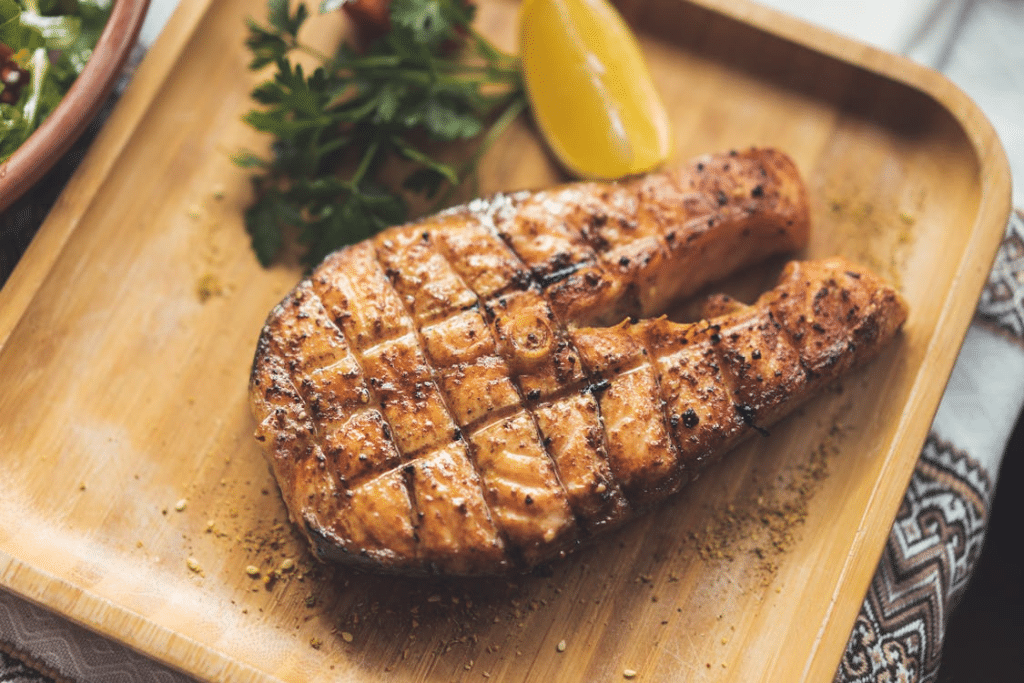
Omega-3 fatty acids are among the most studied nutrients for cognitive health. Found in fatty fish like salmon, mackerel, and sardines, as well as plant-based sources like chia seeds and walnuts, omega-3s support memory and learning. Docosahexaenoic acid (DHA), a type of omega-3, is particularly important because it makes up a large part of brain tissue. Studies suggest that higher DHA intake is linked with improved memory performance and reduced risk of Alzheimer’s disease. Incorporating at least two servings of fatty fish per week or supplementing with high-quality omega-3 capsules can significantly enhance brain function.
Antioxidants and Cognitive Protection
Oxidative stress is a natural byproduct of cellular activity, but when it accumulates excessively, it can damage brain cells. Antioxidants counteract this damage, protecting neurons from decline. Vitamins C and E, flavonoids, and polyphenols found in berries, dark chocolate, and green tea are potent antioxidants that shield the brain. Blueberries, often called a “brain food,” have been shown to improve memory and delay age-related cognitive decline. Incorporating antioxidant-rich foods into daily meals supports long-term brain resilience and sharpness.
Hydration and Mental Clarity
Even mild dehydration can negatively impact cognitive performance, leading to difficulties with concentration, short-term memory, and decision-making. Water supports nutrient transport, waste removal, and temperature regulation—all vital for brain activity. Adults should aim for at least 2 to 2.5 liters of water daily, though individual needs vary based on activity level and environment. Adding hydrating foods like cucumbers, oranges, and watermelon can further support fluid balance. Staying consistently hydrated is one of the simplest yet most powerful nutrition practices for maintaining mental clarity.
Micronutrients for Brain Health
Beyond macronutrients, certain vitamins and minerals are critical for cognitive function.
- B vitamins (B6, B12, folate) support neurotransmitter synthesis and reduce homocysteine levels, which are linked to cognitive decline.
- Magnesium plays a role in learning and memory by supporting synaptic plasticity.
- Zinc supports nerve signaling, while iron ensures adequate oxygen transport to the brain.
A diet rich in leafy greens, legumes, nuts, and lean proteins provides these essential micronutrients. In cases of deficiency, supplementation under medical supervision can restore balance and optimize brain health.
Gut-Brain Connection and Probiotics
The gut-brain axis is an emerging area of research showing how gut health influences cognitive function. Beneficial gut bacteria produce neurotransmitters such as serotonin and influence inflammation, both of which impact mental performance. Fermented foods like yogurt, kefir, kimchi, and sauerkraut supply probiotics that promote gut health. Prebiotics—fibers found in garlic, onions, and bananas—feed healthy bacteria, further supporting the gut ecosystem. A balanced gut microbiome contributes to improved mood, sharper focus, and reduced cognitive fatigue.
Balanced Blood Sugar for Sustained Focus
Blood sugar fluctuations are a common but overlooked factor in cognitive performance. Consuming refined sugars or processed foods can cause spikes followed by rapid crashes, leading to brain fog and irritability. In contrast, meals rich in complex carbohydrates, protein, and fiber provide steady energy release. Combining whole grains with healthy fats or lean proteins stabilizes blood sugar levels. For example, oatmeal with nuts and berries or hummus with whole-grain bread sustains energy and focus for hours, supporting productivity and concentration.
Caffeine, Tea, and Cognitive Alertness
Caffeine, when consumed in moderation, can enhance alertness, reaction time, and memory. Coffee and tea remain popular sources, but overconsumption may lead to jitteriness or disrupted sleep. Green tea offers a unique advantage due to the amino acid L-theanine, which promotes calm focus without overstimulation. This combination of caffeine and L-theanine creates a balanced mental state ideal for studying, working, or problem-solving. Mindful consumption of caffeinated beverages can sharpen attention while minimizing potential downsides.
Intermittent Fasting and Brain Efficiency
Intermittent fasting has gained attention not only for weight management but also for cognitive benefits. Research suggests that fasting periods may enhance brain-derived neurotrophic factor (BDNF), a protein supporting memory and learning. Fasting also promotes autophagy, the body’s natural process of cleaning out damaged cells. Adopting a 16:8 fasting schedule or even occasional meal spacing may improve mental clarity and reduce risks associated with cognitive decline. However, this approach should be tailored to individual health conditions and nutritional needs.
Practical Meal Planning for Cognitive Health
Adopting nutrition practices that boost cognitive function requires intentional meal planning. The Mediterranean diet, rich in vegetables, legumes, olive oil, fish, and whole grains, has been consistently linked with better brain health. A typical brain-boosting day might include:
- Breakfast: Greek yogurt with walnuts, blueberries, and a drizzle of honey.
- Lunch: Quinoa salad with leafy greens, chickpeas, and olive oil dressing.
- Snack: Dark chocolate paired with green tea.
- Dinner: Grilled salmon with roasted vegetables and sweet potatoes.
By building meals around nutrient-rich foods, individuals can support both immediate mental performance and long-term brain function.
Lifestyle Factors That Complement Nutrition
While nutrition is critical, it works best when paired with other lifestyle practices. Regular physical activity increases blood flow to the brain, supporting oxygen delivery and neurogenesis. Adequate sleep allows memory consolidation and brain recovery. Stress management techniques, such as meditation or deep breathing, reduce cortisol levels that can impair cognition. Together with proper nutrition, these habits create a holistic framework for optimal cognitive performance.
Final Thoughts
Nutrition practices that boost cognitive function are a powerful way to enhance mental clarity, memory, and focus. From omega-3 fatty acids and antioxidants to hydration, micronutrients, and gut health, the foods we choose directly influence how well our brains perform. Incorporating balanced meals, stable blood sugar strategies, and mindful caffeine use provides both immediate and lasting cognitive benefits. Combined with exercise, sleep, and stress management, nutrition creates the foundation for sharper thinking and healthier aging. Making small, consistent dietary changes today can translate into significant improvements in cognitive resilience tomorrow.
References
- Harvard Health Publishing. Foods Linked to Better Brainpower. https://www.health.harvard.edu
- National Institutes of Health. Diet and Cognitive Function. https://www.nih.gov
- Mayo Clinic. Brain Food: How to Eat for Better Cognitive Health. https://www.mayoclinic.org
- Frontiers in Nutrition. The Gut-Brain Axis in Cognitive Function. https://www.frontiersin.org

 DIY Home Projects That Enhance Function and Style