Why Minimalist Living Is Taking Over Homes
Evangeline Keaton September 27, 2025
Curious about the minimalist living trend shaping the way people organize homes and lives? This in-depth guide explores why so many are embracing minimalist decor, practical decluttering, and the surprising wellness benefits tied to this lifestyle shift.
The Rise of Minimalism in Modern Living
Minimalist living is more than just an interior design concept; it has evolved into a lifestyle that influences how people think, shop, and interact with space. Minimalism’s core principle centers on reducing excess and only keeping what adds clear value to one’s life. This movement gained significant traction through popular culture, social media, and influential documentaries that highlighted the freedom, clarity, and aesthetic calmness associated with minimalist decor. Tackling clutter in the home is no longer about just tidying up—it’s a holistic approach aiming to relieve stress and foster mindfulness. People are now prioritizing open, clutter-free spaces, choosing quality over quantity in everything from furniture and artwork to the colors on their walls. The resulting environments often feel more inviting, peaceful, and purposeful, shaping a new standard for modern living (Source: https://www.apa.org/monitor/2019/07-08/cover-home).
Minimalism appeals particularly to those who find traditional consumer habits overwhelming and unsustainable. The minimalist home does not mean stark emptiness; rather, it’s about thoughtful design that integrates function and beauty. Many enthusiasts report a boost in productivity and well-being from living amidst less clutter. The design approach emphasizes multipurpose furnishings, natural materials, and soothing color palettes, which, combined, foster a sense of tranquility. As the movement spreads, people are sharing before-and-after stories, turning to online minimalist communities for inspiration and practical advice on letting go of non-essential possessions. The wide appeal of minimalist living shows how simplicity can become a tool for self-discovery, improved organization, and even mental wellness (Source: https://www.mayoclinic.org/healthy-lifestyle/adult-health/in-depth/clutter-control/art-20044051).
Media personalities and home organization experts have played a crucial role in popularizing minimalist living. Their shows and books often feature step-by-step advice for implementing minimalist techniques, helping viewers visualize how to transform cramped, busy homes into serene living environments. Social networking platforms, particularly those focused on visual storytelling, have elevated the minimalist aesthetic and spread creative ideas worldwide. Architects and designers are responding to the trend by creating homes with clean lines, open floor plans, and practical storage solutions that cater to minimalist values, making this more than a passing fad—it’s fast becoming a mainstream approach to lifestyle enhancement (Source: https://www.archdaily.com/786246/minimalism-or-maximalism-two-interiors-two-approaches).
Benefits Beyond the Aesthetic: Why People Choose Minimalism
The draw of minimalist living expands well beyond the visually calming effect it creates. One of the significant motivations is its potential to reduce stress and decision fatigue. Fewer objects in a living space naturally mean fewer distractions, which makes it easier to focus and relax. Many people find that by simplifying their surroundings, they unlock both emotional and physical wellness benefits. Psychological research suggests decluttering and organizing space can improve mood and even increase feelings of control and accomplishment. For families or individuals facing daily chaos, minimalist living introduces structure and reduces the anxiety associated with managing too many possessions (Source: https://www.ncbi.nlm.nih.gov/pmc/articles/PMC8415508/).
Financial savings are another unexpected perk linked to the minimalist lifestyle. The core philosophy encourages more intentional purchasing—buying only what is needed or truly brings joy. Over time, this approach naturally cuts down on impulse buying and waste, freeing up budgets for meaningful experiences, investments, or savings. Many followers of the movement report spending less on home goods and organizing products, as they already own fewer items to manage. Some households even discover renewed appreciation for existing possessions, fostering gratitude and mindfulness with every choice made. This ripple effect can lead to more sustainable consumption habits and align with broader environmental concerns (Source: https://www.epa.gov/wastewise).
Minimalism can also strengthen connections between people and their environments. When possessions no longer overwhelm, the focus shifts to enjoying time with family, savoring nature, and nurturing relationships. Many people who adopt minimalist living find they have more time for hobbies, self-care, or pursuing passions. Simpler homes also tend to require less cleaning and maintenance, which can free up several hours each week. This redistribution of time and energy has profound effects on lifestyle satisfaction and allows for greater flexibility and spontaneity in daily routines.
Decluttering Strategies for Beginners
Starting the minimalist journey can feel daunting, especially after years of accumulating belongings. Experts recommend tackling clutter in manageable steps. The first step is often visualizing the ideal lifestyle and designing a clear vision for the home. Begin with one category—such as clothing or kitchen gadgets—rather than a full-room overhaul. Sorting possessions by usefulness and emotional value makes choosing what to keep easier. Some find it helpful to set ground rules, like giving away or donating anything unused for over a year. The goal is progress, not perfection—every small reduction counts toward a lighter, more livable space (Source: https://www.nimh.nih.gov/health/publications/when-unwanted-thoughts-take-over).
Decision-making is central to a minimalist approach. Take time evaluating items rather than rushing to declutter a whole room in one day. Pause and reflect on why each object has been kept—does it serve a practical purpose, or is it keeping old memories alive? Some organizers recommend the “box method”: place uncertain items in a labeled container and revisit after a set period. Expressing gratitude for items before letting them go can also make the process less emotionally taxing. Sharing stories behind donations with loved ones can create uplifting experiences even as items leave the home.
Maintaining a minimalist home depends on establishing sustainable routines. Develop habits around regular reviews—monthly or seasonally—so that clutter never piles up again. Organize remaining items with storage solutions tailored to the available space, using furniture designed for dual purposes where possible. Minimalist living isn’t just about subtraction; it’s about creating intentional spaces that welcome growth, creativity, and flexibility in everyday life. Many find the most challenging part is starting, but small, regular choices make a lasting difference.
Minimalist Decor: Style Tips and Practical Ideas
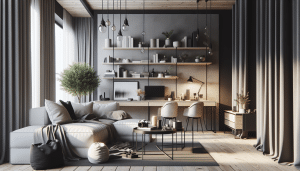
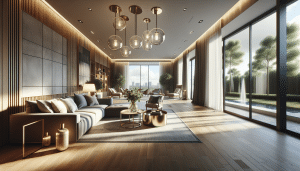
The allure of minimalist decor lies in the power of simplicity. Start by embracing neutral color palettes—whites, soft grays, calming earth tones—that cultivate a sense of openness and serenity. Furniture with clean lines and unobtrusive details supports a tidy, modern look. Natural light is a key feature: unobstructed windows and strategically placed mirrors help brighten the space, making even small rooms feel expansive. Rather than filling shelves with decor, choose a few meaningful objects to display, like travel mementos or personal art. Minimalist accessories should be selected with intention, adding warmth without contributing to clutter (Source: https://www.architecturaldigest.com/story/minimalist-decor-ideas).
Practicality is at the heart of minimalist styling. Select storage solutions that are both functional and visually appealing; hidden cabinets, stackable bins, or under-bed drawers maximize usable space. Swap out heavy, ornate window treatments for simple blinds or sheer curtains to allow daylight to enhance every corner. Plants and greenery, in moderation, bring life to minimalist interiors while maintaining the clean aesthetic. Multipurpose furniture—like ottomans with storage or extendable tables—encourages flexible organization. This approach not only keeps spaces clear but also adapts to changing needs over time.
Incorporating personal touches ensures that minimalist homes never feel cold or generic. Even within disciplined design, favorite books, family heirlooms, or a signature piece of art can become focal points. Rotating artwork and decor seasonally prevents monotony. Soft textiles, such as cozy throws or plush rugs, add comfort while sticking to the guiding principle of “less but better.” The ongoing minimalist journey inspires creativity—solutions evolve as needs do, keeping the environment fresh and fulfilling.
The Mindfulness Connection: Wellness Through Simplicity
There’s a growing body of evidence linking minimalist living with enhanced mental well-being. Reducing clutter can create a calming environment that supports mindfulness and intentionality in daily habits. Without the visual and mental noise of excess possessions, it becomes easier to focus, meditate, and foster contentment at home. Minimalist spaces are known to decrease overwhelming sensory input and encourage restful sleep, contributing to long-term health benefits (Source: https://www.health.harvard.edu/mind-and-mood/clutter-clearing-your-way-to-less-stress).
People often discover that minimizing possessions has an unexpected effect on personal growth. With fewer distractions, it’s easier to set goals, establish helpful routines, and appreciate small joys. Mindful living goes hand in hand with minimalism: both emphasize being present in the moment, curating meaningful experiences, and appreciating what is truly important. Some even track their progress using journals or apps, noting how the practice impacts their mood and productivity in real time.
Paring down also opens opportunities for self-reflection and emotional resilience. Facing difficult decisions—like letting go of sentimental belongings—can prompt growth and a deeper understanding of one’s own values. Ultimately, minimalist living is not just a design preference. It’s a wellness strategy, helping people cope with modern stress and connect more deeply with themselves and others. Many who adopt it describe a sense of freedom and well-being that transforms not just their homes, but their lives.
Sustaining Minimalism in a Consumer-Driven World
Maintaining minimalist habits requires ongoing attention, especially when society constantly promotes the accumulation of new things. Staying true to minimalist principles means consistently reevaluating what is allowed into the home. Practitioners often apply techniques such as a “one-in, one-out” rule: for every new item, another is donated or recycled. Digital tools, including decluttering apps and minimalist lifestyle blogs, offer continuous support and accountability for those navigating busy or consumer-driven environments.
Minimalism doesn’t mean deprivation or missing out. Instead, the movement highlights mindful consumption—choosing purchases with care and intention. Many find that celebrating milestones, like decluttering a significant area or reaching a savings goal, helps reinforce the benefits and keep motivation high. Engaging with online communities can inspire new ideas and encourage individuals to stay accountable, even as trends and products evolve.
Minimalist living is adaptable for every stage of life. Families, students, and retirees alike can tailor the concept to unique circumstances. What matters most is cultivating habits that foster happiness and wellness, regardless of external pressures. As more people discover the power of simplicity, minimalist living continues evolving—not just as a trend, but as a sustainable approach for the future.
References
1. American Psychological Association. (2019). Why fewer possessions can mean less stress. Retrieved from https://www.apa.org/monitor/2019/07-08/cover-home
2. Mayo Clinic. (n.d.). Clutter control: Removing clutter from your home and life. Retrieved from https://www.mayoclinic.org/healthy-lifestyle/adult-health/in-depth/clutter-control/art-20044051
3. ArchDaily. (2016). Minimalism or maximalism: Two interiors, two approaches. Retrieved from https://www.archdaily.com/786246/minimalism-or-maximalism-two-interiors-two-approaches
4. Health Harvard. (n.d.). Clutter clearing your way to less stress. Retrieved from https://www.health.harvard.edu/mind-and-mood/clutter-clearing-your-way-to-less-stress
5. U.S. Environmental Protection Agency. (n.d.). WasteWise: Sustainable materials management. Retrieved from https://www.epa.gov/wastewise
6. National Institutes of Health. (2021). When unwanted thoughts take over. Retrieved from https://www.nimh.nih.gov/health/publications/when-unwanted-thoughts-take-over

 You Can Understand Passive Income Options Fast