Small Space Living Hacks You’ll Want to Try
Evangeline Keaton September 26, 2025
Discover creative strategies for making the most out of compact homes and urban apartments. Learn how multifunctional furniture, organization tips, and mindful decor choices can help transform limited square footage into a comfortable and expressive lifestyle. Explore how small space living brings both challenges and unexpected joys to modern life.
Rethinking Space: Making Small Areas Feel Bigger
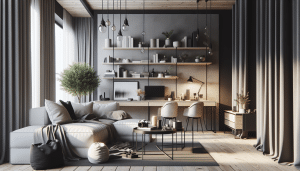
Small apartments and tiny homes are inspiring a generation to look at living spaces in a new way. The rise of urban living has made maximizing every inch a creative necessity for many. Utilizing vertical space, incorporating mirrors, and sticking to an open layout are among the clever small space living hacks people are turning to when traditional room layouts simply aren’t feasible. Mirrors work by reflecting light and extending the visual line, making rooms feel larger. Vertical shelving keeps things organized and moves possessions out of often-cluttered walkways, while open plans let users rearrange furniture without restriction, ensuring the room adapts to daily needs. These ideas show how, with a little flexibility and vision, a modest area can be comfortable and visually appealing.
Natural light plays a big role in how spacious an area feels. Streamlining window treatments or choosing translucent blinds can let more sunlight in, which brightens spaces and adds warmth. For those whose apartments are short on sunlight, using LED daylight bulbs can mimic the effect, making interiors feel bigger and more inviting. When decorating, many opt for lighter color palettes on walls, furniture, and textiles. This approach creates an airy effect, offering the illusion of expansiveness. Combined with minimalistic furniture placements and the removal of heavy drapery, these strategies create open zones that draw the eyes outward, amplifying even the smallest studio. Research by design experts often supports this approach, citing color and light as major factors in perceived space size (Source: https://www.hud.gov/program_offices/public_indian_housing/programs/ph/phecc/smallspaces).
Floor plan flexibility offers further potential for cozy but capable living. Modular furniture provides adaptability, which can mean having a bed that folds into a wall or a table that extends only when guests arrive. People increasingly find value in solutions that allow a single room to serve as a workspace, a lounge, or even a fitness area—sometimes all in the same day. This creativity doesn’t mean sacrificing style: smart couch and shelf combinations, rollaway kitchen islands, and inventive room dividers reveal fresh inspiration around every corner. For many, this resourcefulness leads not just to tidiness, but to a real sense of ownership over one’s environment. Embracing limited square footage, rather than fighting it, opens the door to a more intentional and rewarding daily experience.
Functional Furniture and Storage Solutions
Furniture that ‘works harder’ is a cornerstone of modern small-space design. Search terms like convertible sofa bed, extendable dining table, or under-bed storage baskets now top lists for urban dwellers hoping to get more from every footprint. These items are engineered for flexibility—think of nesting side tables, stackable stools, and coffee tables that tuck away. Even bookcases can double as partial room dividers, providing both privacy and much-needed shelving. For renters, using removable hooks, magnetic strips, and portable closets adds storage without requiring permanent changes. Storage ottomans and benches with hidden compartments combine seating with utility, allowing people to stow away blankets, shoes, or electronic devices neatly. This practical approach is subtle but makes a powerful difference in keeping everyday chaos managed (Source: https://www.ahrq.gov/patient-safety/topics/storage.html).
Clever kitchen storage separates a stressful, cluttered cooking space from a calm, usable one. Many city apartments come with only a few cabinets and limited counter space. Maximizing vertical wall space with magnetic spice racks, over-the-sink cutting boards, and ceiling-hung pot racks keeps surfaces accessible. Compact dish-drying racks that fold away after use and stackable food containers keep counters clear for meal prep. Some households also opt for multi-use appliances, such as toaster ovens that air-fry or slow cook, minimizing the number of devices needed and freeing up even more storage. The goal is always to make it easy to find what you need, support healthy habits, and reduce the time spent tidying up. With practical tools in place, even the smallest kitchens are capable of big things.
Bedrooms in small apartments often double as office spaces or relaxation zones. Murphy beds, also called wall beds, free up entire corners when not in use, while folding desks and rolling office chairs offer temporary but effective working solutions. Closet organizers, hanging shoe pockets, and slim rolling storage carts help keep clothes and personal items sorted efficiently. By customizing storage solutions based on specific needs—rather than using generic options—residents enjoy better use of their available space. Many turn to do-it-yourself ideas, like repurposing decorative baskets or using tension rods for additional hanging space, as affordable and fun upgrades. This creative mindset, focused on both utility and design, allows bedrooms to become truly personal retreats despite their cozy proportions.
Decluttering and Minimalist Decor Tips
One secret to succeeding at small-space living is learning how to declutter effectively. Over time, belongings pile up, making small rooms feel even tighter. Minimalist decor isn’t about living without possessions; it’s about identifying what is meaningful and necessary. This shift in approach involves regularly editing clothes, kitchen tools, and knick-knacks to reduce visual noise. People are encouraged to donate or upcycle items that no longer serve them—making space for what truly matters. Having open shelving, clear jars, and pared-back collections keeps things visible and prevents the storage of duplicate or little-used items. Decluttering becomes a mindful practice, freeing both home and mind (Source: https://www.mhanational.org/decluttering-and-mental-health).
Decor choices play a crucial part in setting the tone for any space, but especially for tiny homes or studios. Opting for a few standout accent pieces—like bold artwork, a colorful throw pillow, or a unique lamp—draws the eye and creates personality without overwhelming the senses. Scandinavian-inspired decor, which focuses on light colors, functional furniture, and natural textures, continues to grow in popularity. Plants add vibrancy and help purify air, while minimal window treatments keep spaces bright. These intentional decorating decisions help each room feel carefully curated, not sparse or underdone. Simplicity, combined with thoughtful placement, results in visually inspiring and restful spaces for busy lives.
Minimalism also means making rooms serve multiple purposes. Living rooms may double as guest spaces, and entryways sometimes offer hidden shoe or key storage. Technology supports the minimalist movement, too—apps remind users when to revisit closets or clear digital clutter. By developing a system tailored to personal habits, many find it easier to both resist clutter and maintain their happy, healthy environments over time. Clean surfaces and open spaces quickly become sources of calm, proving that decluttering is not just about physical tidiness but emotional well-being as well.
Designing with Personality in Mind
Bringing personality to small spaces does not require compromising on taste. Personal style can shine through even in compact apartments. From gallery walls to vintage finds, bold design statements are balanced with function in modern city studios. Mixing textures—like soft throws, glossy ceramics, and natural wood—adds depth. Customizable peel-and-stick wallpaper allows renters to try design styles without permanent commitment. For many, displaying collections of books, records, or travel souvenirs makes a small home feel unique. The trick is choosing displays that reflect interests but don’t take up too much precious floor space, ensuring visual harmony and a welcoming atmosphere for guests.
Color use varies widely based on taste, but careful selection can dramatically impact mood. Soft pastels, playful brights, or muted earth tones all bring individual flair to a home. Accent rugs often anchor tiny eating or lounging nooks, while statement lighting creates focal points and doubles as functional art. Floating shelves allow collections to grow vertically, and wall-mounted organizers keep tools and accessories nearby but off counters. Personalized decor projects—such as handmade cushions or reclaimed wood planters—add heart to any design. These touches ensure rooms feel warm, inviting, and unmistakably ‘yours’ (Source: https://www.architecturaldigest.com/story/how-to-decorate-small-spaces).
Even shared or rented apartments benefit from creative self-expression. Temporary design solutions mean frequent style updates are possible, from removable art decals to slipcovers that change a sofa’s look. DIY wall art, mood boards, or themed gallery arrangements turn simple corners into inspiring showcases. The process of decorating—choosing, arranging, and adjusting accents—becomes an act of self-care, offering daily comfort and a sense of accomplishment. Embracing this mindset turns any studio or micro-apartment into a vibrant, personal haven where life feels intentional and rich.
Big Benefits of Small-Scale Living
While challenges exist, living in a compact environment offers practical advantages. It often supports greener living by requiring less energy for heating and cooling. Less space also means less stuff, which can translate to more intentional consumption and, often, financial savings. Many small space dwellers report less time spent cleaning, freeing up hours for hobbies or socializing. Living in walkable neighborhoods, often associated with apartment life, fosters more community interaction. Reduced clutter supports mental clarity and healthier, more restorative sleep (Source: https://www.sleepfoundation.org/sleep-environment/small-bedroom-solutions).
Downsizing is about more than saving money—it’s about simplifying and prioritizing. People who embrace tiny homes, van life, or micro-apartments often discover new hobbies, closer relationships, and less stress over housekeeping. There is a growing movement valuing experiences over possessions. Choosing to live smaller can enable more travel, learning, or creative pursuits—boosting quality of life without requiring abundant space or high costs. Simpler surroundings prompt focus on what truly matters, leading to feelings of gratitude and satisfaction that grow over time.
Social trends also reflect a shift in how people view luxury and success. Rather than associating happiness with large houses, many now see value in well-designed, functional spaces that feel just right. A small home packed with comfort, beauty, and personality can be every bit as rewarding as something grand—and infinitely easier to maintain. Ultimately, small-scale living fosters creativity, adaptability, and a mindful approach to daily experience—a true source of joy in the modern world.
Embracing Small-Space Entertaining
Entertaining in a small apartment might seem daunting but can be highly rewarding with the right setup. Flexible seating, like poufs and nesting tables, make it easy to adjust layouts for guests. Kitchen islands on wheels provide extra counter space for serving snacks or mix-your-own drinks. Keeping menus simple and offering small plate options keeps things social and stress-free. Decor like fairy lights or fresh blooms sets an inviting tone without overwhelming limited surfaces. Small gatherings feel cozier, often fostering deeper conversations and lasting memories.
Storage-savvy hosts tuck away personal items and use multi-purpose pieces to transition seamlessly from everyday living to celebration mode. Fold-out tables, portable bar carts, or stackable chairs can turn a lounge into a party space in minutes. Storing party supplies in labeled boxes above cabinets or inside ottomans means they’re always nearby, but never in the way. Creative use of balconies, rooftop gardens, or communal spaces expands social options beyond apartment walls, giving urban hosts space to breathe while keeping gatherings easy to manage.
Games, music, and shared activities draw attention to meaningful connection, not room size. With well-chosen lighting and background playlists, the right atmosphere takes minutes to achieve. Keeping group sizes small ensures all guests are comfortable and engaged. These strategies show that even the tiniest home can be a hub of fun, laughter, and togetherness, confirming that hospitality and warmth have no square footage requirement. More people are realizing the joy of entertaining simply, yet memorably, is entirely within reach (Source: https://www.nytimes.com/guides/realestate/first-apartment).
References
1. U.S. Department of Housing and Urban Development. (n.d.). Tips for Small Spaces. Retrieved from https://www.hud.gov/program_offices/public_indian_housing/programs/ph/phecc/smallspaces
2. Agency for Healthcare Research and Quality. (n.d.). Storage Solutions for Small Spaces. Retrieved from https://www.ahrq.gov/patient-safety/topics/storage.html
3. Mental Health America. (n.d.). Decluttering and Mental Health. Retrieved from https://www.mhanational.org/decluttering-and-mental-health
4. Architectural Digest. (n.d.). How to Decorate Small Spaces. Retrieved from https://www.architecturaldigest.com/story/how-to-decorate-small-spaces
5. Sleep Foundation. (n.d.). Small Bedroom Solutions. Retrieved from https://www.sleepfoundation.org/sleep-environment/small-bedroom-solutions
6. The New York Times. (n.d.). First Apartment Guide. Retrieved from https://www.nytimes.com/guides/realestate/first-apartment

 Hidden Ways You Can Experience Solo Travel