Crafting a Cozy Home Sanctuary You’ll Want to Stay In
Evangeline Keaton September 26, 2025
Many are searching for ways to transform their living space into a welcoming haven that nurtures good energy and relaxation. This guide offers practical secrets for designing a home sanctuary using mindful décor, soothing scents, thoughtful lighting, and calming rituals—revealing how anyone can refresh their lifestyle with small, meaningful changes.
What Makes a Home Sanctuary So Inviting?
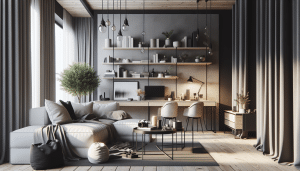
Creating a home sanctuary is more than redecorating. It’s about atmosphere. Spaces curated with intentional design foster feelings of safety and calm. Incorporating comfort-focused elements like plush throws, layered textiles, and nature-inspired artwork helps to build an environment where everyday stress seems to melt away. Psychologists note that even subtle adjustments in living spaces, such as a relaxing color palette or tactile surfaces, can improve mood and lower anxiety levels. This mindful approach to interior design recognizes the emotional connection between surroundings and personal wellbeing. Those who invest in their living space may notice enhanced productivity, increased energy, and even better sleep quality as a result. Recently, interest in crafting cozy, peaceful sanctuaries has surged, especially as flexible work and remote routines bring new focus to our homes’ role in maintaining overall lifestyle balance.
Atmosphere goes beyond visual appeal—it extends to how each room feels, smells, and welcomes movement. The power of gentle lighting cannot be underestimated, as warm, dimmed tones encourage relaxation. Meanwhile, integrating scent, like lavender or sandalwood, can promote a sense of serenity. Small touches are crucial. Arranging books, plants, and personal mementos invites a greater sense of belonging. By adorning spaces with meaningful objects, rooms take on a unique narrative, helping all who enter feel anchored in a safe and inspiring environment. The sanctuary effect is widely recognized among wellness experts, who highlight the importance of intentional choices when it comes to furniture, art, and color. Research suggests that by actively curating what surrounds us, we can foster feelings of gratitude and mindfulness throughout our daily lives.
Many people find that the process of creating a sanctuary-style home becomes a source of joy itself. It’s an opportunity to pause, reflect on what matters, and create a home that doesn’t just serve as shelter, but rather, as an energizing and nurturing retreat. Whether working within a compact apartment or sprawling home, anyone can introduce sanctuary elements by focusing on small comforts and guided organization. A soft area rug or a gentle playlist can quickly shift the room’s energy. As interest in wellness-focused interiors grows, experts encourage experimenting with textures, scents, and lighting arrangements, always keeping in mind that the goal isn’t about perfection, but rather about creating consistency in comfort and genuine contentment.
The Role of Mindful Décor in Lifestyle Enhancement
Mindful décor isn’t only about pretty accents—it shapes emotional wellbeing. Objects placed with intention tell a personal story. Choosing decorations that bring joy, symbolize achievements, or remind you of meaningful experiences cultivate connection to your environment. Studies confirm that personalized spaces improve self-esteem and foster feelings of control in daily life. For example, displaying framed photos from joyful moments, handmade crafts, or heirlooms can turn bland rooms into heartfelt retreats. Experts encourage curating items that carry positive energy, as these distinct choices influence not just appearance but also your mindset day to day.
Incorporating biophilic elements—such as natural wood textures, abundant houseplants, and images of landscapes—can also support overall health and wellness inside the home. The simple presence of living greenery purifies air and softens sharp lines, making rooms feel less rigid and more harmonious. Research in environmental psychology points to the calming effects of nature-inspired décor, highlighting the importance of bringing the outdoors indoors. Even small succulents or a single leafy plant can anchor a room, offering a focal point for relaxation during busy days or stressful transitions. This approach nurtures a sustainable relationship with one’s living space, positioning the home as a restorative setting.
Minimalism, too, plays a vital role. A clutter-free home often eases cognitive load. By intentionally editing possessions, you can make way for more meaningful décor and create a feeling of openness. Storage baskets, floating shelves, and concealed organizers’re ideal for reducing physical clutter. This process isn’t about deprivation; it’s about making room for serenity. Routine tidying and mindful organization serve as gentle rituals of care, both for the space and its inhabitants. The deliberate aesthetic choices—whether a tranquil shade of blue or a reclaimed wood end table—add up. Together, they contribute to the overall sense of harmony and wellness that a true sanctuary offers.
Lighting Strategies That Change Mood Instantly
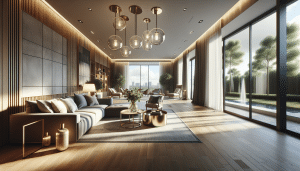
Lighting transforms atmosphere. Soft light instantly signals relaxation, helping to delineate spaces for work, play, and winding down. Many choose warm, adjustable LEDs to promote a cozy vibe at sunset or brighter daylight bulbs to energize mornings. Layered lighting—like combining floor lamps, wall sconces, and small fairy lights—enables easy shifts between focus and leisure. Experts suggest that lighting design can affect sleep patterns and mood regulation, with a strong correlation between exposure to evening blue light and restless nights. Prioritizing dim, amber light in the evenings sets the stage for restful sleep and gentle reflection.
Natural light remains paramount. Homes filled with sunlight tend to feel more uplifting and vibrant. Strategic use of mirrors, sheer curtains, and light-reflective surfaces maximizes daylight in underlit rooms, making even small spaces feel open and inviting. Guidelines from interior designers recommend identifying which rooms benefit most from natural lighting, such as living rooms or breakfast nooks, and arranging furniture to capture the greatest exposure. On cloudy days, opening windows brings in fresh air—another essential for a revitalized atmosphere. Some households even use circadian rhythm bulbs that adjust brightness and color temperature to match the body’s sleep-wake cycle, supporting wellness around the clock.
Candles and lanterns remain popular for their ability to create tranquil ambiance with little effort. The simple act of lighting a candle before dinner or during meditation can help define moments for grounding and gratitude. Scented candles have an added effect, blending the mood-altering power of aroma with the soft glow of flame. Experts recommend unscented beeswax or soy candles for air quality, particularly in bedrooms or shared spaces. By playing with different lighting options, households can craft a sanctuary that evolves throughout the day—open and bright for productivity, softened and intimate for evening unwinding.
The Science of Scent and Sound in Home Sanctuaries
Smell and sound are potent shapers of home energy. Aromatherapy, using pure essential oils or natural incense, can boost relaxation, reduce anxiety, and even improve cognitive function. Popular sanctuary scents include lavender for its calming properties, citrus for energy, and sandalwood for deepening focus. Studies from the environmental health field highlight how specific aromas—whether from fresh flowers, essential oil diffusers, or simmering herbs—can reinforce positive associations with home. When households choose fragrances intentionally, they craft rituals that reinforce tranquility and comfort.
Sound also has a measurable effect. Research shows that incorporating gentle background music, like instrumental playlists, nature sounds, or even wind chimes, reduces perceived stress and encourages mindfulness. Strategically placed speakers or noise machines can help mask unwanted urban noises, particularly in apartments or densely populated neighborhoods. The trend toward soundscapes—curated mixes of rain, waves, or birdsong—has exploded in popularity, offering a soothing alternative to silence or distraction. All these choices support deep relaxation and improved focus, both critical elements in a true home sanctuary.
Personal preferences, as always, should guide which scents and sounds to invite into a healing home. Experimenting with different aromas, playlists, or nature-inspired soundtracks helps fine-tune the experience so it feels genuine and effortless. Some find comfort in the hum of a softly whirring fan, others in the earthy aroma of a potted basil plant on the kitchen sill. By tuning into which combinations work best for each person, homes become highly personalized sanctuaries, designed to nurture body, mind, and spirit every day.
Daily Rituals That Support a Peaceful Lifestyle
Household rituals are secret weapons in cultivating a peaceful lifestyle—small actions with big impact. Morning meditations, evening tea rituals, or gratitude journaling all serve as anchors throughout the day. These practices ground attention in the present moment. They shift attention away from stress and toward gratitude. Habitual routines, experts agree, are central to the experience of sanctuary. A weekly home spa night, a technology-free hour, or simply lighting a candle before dinner helps reinforce the feeling that home is a place to retreat, recharge, and savor quiet moments.
Mindful tidying, a concept popularized by organizational consultants, takes cleaning beyond mere maintenance. The process itself becomes a calming activity—an opportunity to clear away clutter and refresh one’s thoughts. Pairing tidying with your favorite music or podcast transforms chores into enjoyable rituals. Studies show that repetitive, rhythmic activities such as folding laundry, washing dishes, or arranging flowers can be meditative, helping to lower heart rate and reduce mental fatigue. This approach reframes routines as micro-moments of care for both the home and its inhabitants.
Consistency, rather than extravagance, makes these rituals effective. The power of returning to familiar, nurturing routines helps create structure and stability in an otherwise chaotic world. Whether through designated tech-free time, cultivating an indoor garden, or simply making the bed each morning, individuals discover comfort in the predictable. Over time, these gentle habits reinforce resilience and emotional balance, the very essence of sanctuary living.
Integrating Nature and Outdoor Inspiration Indoors
Nature-inspired living spaces are linked to lower stress and greater happiness, according to researchers in environmental psychology. Bringing the outdoors in can be as simple as displaying fresh flowers, incorporating wooden accents, or choosing earthy color palettes. Popular strategies include using natural materials like wicker, linen, or jute, all of which contribute warmth and grounding sensations. Positioning seating near windows, showcasing botanical prints, or incorporating indoor water features adds to the gentle ambiance, blurring the boundary between inside and out. These design elements help create a restorative atmosphere within even the most urban of apartments.
For those in city environments, balcony gardens and window herb planters provide a direct connection to nature. Gardening, even on a small scale, fosters patience and boosts mood. Simple changes—swapping plastic planters for clay, investing in a small grow light, or welcoming seasonal blooms—elevate the sensory experience of home. Some residents orient furniture to look out onto green spaces, courtyards, or even rooftop gardens to maximize exposure to living beauty. Remaining open to seasonal ritual shifts, like bringing in autumn branches or spring tulips, helps keep the space feeling alive and in tune with nature’s rhythms.
Ultimately, homes designed with nature in mind invite calm and invite reconnection. They offer pockets of respite—an indoor oasis where one can burn off the outside world and relish peace within familiar walls. By emphasizing natural textures, colors, and materials, these sanctuaries ground daily life, supporting both emotional and physical wellness across the seasons.
References
1. American Psychological Association. (n.d.). The connection between your environment and your mental health. Retrieved from https://www.apa.org/topics/environment-health
2. Sleep Foundation. (n.d.). Light and Sleep. Retrieved from https://www.sleepfoundation.org/lighting
3. Environmental Health Perspectives. (2011). The Benefits of Nature Experience: Improved Mood and Cognitive Function. Retrieved from https://ehp.niehs.nih.gov/doi/10.1289/ehp.110-a278
4. Harvard Health Publishing. (2021). Aromatherapy: Do essential oils really work? Retrieved from https://www.health.harvard.edu/staying-healthy/aromatherapy-do-essential-oils-really-work
5. National Institutes of Health. (2020). Mindfulness for Your Health. Retrieved from https://newsinhealth.nih.gov/2021/01/mindfulness-your-health
6. The Biophilic Institute. (n.d.). Biophilic Design for Healthier Spaces. Retrieved from https://www.biophilic-design.com/biophilic-design-for-healthier-spaces/

 Why You Notice Misinformation Spreading So Fast Online