Secrets You Never Knew About Minimalist Living
Evangeline Keaton September 26, 2025
Unlock the fascinating world of minimalist living and discover how this popular lifestyle trend is transforming homes and minds. Explore practical strategies, creativity, and the subtle art of finding joy in less clutter and more clarity.
Understanding the Philosophy of Minimalist Living
Minimalist living has captivated many, but few know the philosophical roots behind its popularity. Stripping life to the essentials may sound daunting, yet it invites a kind of freedom rarely found in cluttered spaces. The essence of minimalism lies in prioritizing quality over quantity and making space only for what truly adds meaning. Instead of feeling restricted, practitioners often discover a lightness, both physical and mental, that transforms their day-to-day existence. This approach extends beyond home decor and influences purchasing decisions, digital behaviors, and even relationships. The movement encourages mindfulness, prompting fresh perspectives on why people accumulate possessions and how these affect overall wellness. Many find that less really can be more, especially when guided by intention and clarity of purpose.
Simplicity is powerful. When exploring minimalist living, the idea isn’t about empty rooms or stark white walls but thoughtful reduction. This method centers around making conscious choices about what to keep and why. For many, the process starts with decluttering closets and storage areas. Over time, however, it shifts inward. Emotional and mental clutter are often more difficult to address than physical objects. Minimalism offers frameworks to help tackle both, nurturing environments that create space for creativity and authentic connection. Those new to this path can benefit from gentle approaches, such as designating a donation box in the home or practicing a ‘one in, one out’ rule for purchases.
The minimalist philosophy draws inspiration from centuries-old traditions such as Zen Buddhism, which values the present moment and simplicity of thought. Contemporary minimalism has adapted these ideas for modern life. Today’s movement is as much about sustainability as it is about aesthetics. Choosing fewer, higher-quality items reduces waste and environmental impact. Not surprisingly, many who embrace minimalist living report improved mental focus, reduced anxiety, and a renewed sense of gratitude. As complex demands multiply, minimalism offers a way to focus attention and energy where it matters most, creating a resilient foundation for happiness.
Transforming Your Home: Minimalist Design in Action
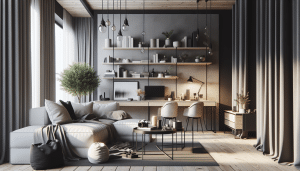
Turning a home into a minimalist sanctuary is a creative process that encourages imagination as well as discipline. The journey often begins with decluttering, but it does not end there. Homeowners and apartment dwellers may reimagine layouts, prioritizing open spaces and multifunctional furniture. Storage solutions become integral to maintaining harmony. Instead of shoving items into crowded closets, minimalist design guides the selection of essential, beautiful containers or shelving that showcases what matters. A minimalist room might use neutral colors, simple forms, and abundant natural light, yet still feel inviting and uniquely personal. The focus is always on comfort, function, and calm.
Minimalist interior design isn’t about depriving a space of personality. In fact, the intentional curation of art, books, and textiles can make each item shine. Carefully chosen pieces become focal points, appreciated for their design, craftsmanship, or emotional value. Plants frequently feature in these environments, bringing vitality and a touch of nature indoors. Smart organization is key; everything should have its place, and nothing needs to overflow. Kitchen counters, for example, feel more spacious and enjoyable to use when only a few cherished utensils and ingredients remain visible. This level of simplicity invites relaxation and creativity. Over time, a clutter-free space begins to affect the mind, inspiring calm and focus.
Adopting minimalist home decor can also be cost-effective in the long term. Instead of jumping on trends and replacing items constantly, the minimalist approach cultivates careful investment in timeless, durable goods. Many discover unexpected flexibility in multipurpose furniture or in rooms that can easily adapt to new needs. Children’s spaces, for instance, thrive with open shelving, a few high-quality toys, and lots of room for imaginative play. By designing interiors to support well-being rather than impress visitors, minimalist homes quickly become places of refuge and inspiration. For anyone yearning for less chaos, these strategies offer a tangible way to claim peace.
The Surprising Benefits of Owning Less
One central promise of minimalist living is the abundance it creates—ironically, by having less. Fewer possessions translate to less cleaning, organizing, and maintaining. Free time once spent managing clutter can now be repurposed for hobbies, relationships, or personal growth. Many who embrace this lifestyle discover a clearer sense of priorities, since there’s little distraction from what really matters. Stress reduction is consistently linked to a decluttered environment, and scientific studies support the positive link between less household clutter and improved mood. Cleaning becomes more manageable, leading to savings in both time and energy. Minimalism frees up mental capacity for creativity and exploration.
Financially, maintaining a minimalist lifestyle can yield unexpected results. While there may be initial time or money spent decluttering and organizing, the long-term shift is toward thoughtful spending and greater investment in high-quality, multi-use items. This approach often leads to fewer impulse purchases and diminished consumer debt. Many minimalists report saving money and redirecting those funds toward experiences, learning opportunities, or investments in wellness. Researchers have found a strong association between mindful consumption and increased life satisfaction, supporting the case for minimalism’s practical rewards (see https://www.apa.org/news/press/releases/2016/12/simple-living).
Perhaps the most profound rewards are intangible. Embracing minimalism invites gratitude for what is left, often enhancing appreciation for small pleasures and everyday objects. Family members may experience improved communication and togetherness when home spaces are calm and ordered. Minimalist living can also make it easier to relocate or travel, given reduced attachment to material goods. Many find that as attachment to things wanes, opportunities for adventure and meaningful change increase. The benefits are unique to each, but many agree that owning less paves the way for a richer, more intentional life (see https://www.mayoclinic.org/healthy-lifestyle/stress-management/in-depth/decluttering-tips/art-20448251).
Overcoming Challenges and Myths of Minimalist Living
Minimalist living can trigger fears of scarcity or deprivation. These apprehensions often stem from misconceptions, such as the belief that minimalism imposes rigid rules or total rejection of wants. In reality, this lifestyle is highly adaptable and individualized, allowing each person or household to define their own essentials. The transition phase—from full closets to thoughtful curation—can feel uncomfortable, especially when sentimental items are involved. Many experts advise starting slowly with one category or room at a time, which builds confidence. Others find support in online communities dedicated to minimalist living, where encouragement and ideas abound (see https://www.nytimes.com/guides/smarterliving/how-to-declutter-your-home).
Another myth is that minimalist environments feel cold or unwelcoming. In truth, warmth comes from intentional design. A few beloved art pieces, soft textiles, and cherished books lend personality and comfort. The process of editing possessions leads many to rediscover forgotten treasures, keeping stories and memories alive in a meaningful way. It is not uncommon for family dynamics to shift, as shared spaces open up and become less contentious. Regular maintenance is easier too, as streamlined routines develop around fewer possessions and designated storage places. Home becomes both sanctuary and launchpad for new endeavors.
Digital clutter is another challenge. Devices and email inboxes can accumulate digital ‘stuff’ just as quickly as physical objects. Adopting simple habits for digital minimalism—such as regular file reviews, scheduled email cleanouts, or adopting minimalist app designs—can provide similar feelings of relief and focus. The key is consistency. Whether physical, emotional, or digital, releasing what no longer serves you allows attention to flow back to meaningful pursuits. Minimalism, far from being extreme, simply offers wisdom for navigating the modern age. The journey is personal, but the rewards ripple outward across all areas of life.
Minimalism on a Budget: Achievable Simplicity for Everyone
You don’t need luxury designer brands or expensive artisan objects to live minimally. In fact, simplicity on a budget is one of the most accessible—and satisfying—ways to start. Minimalist principles encourage upcycling, DIY projects, and sourcing items from thrift stores or community swaps. Choosing to limit new purchases also helps conserve resources and reduces environmental impact. For those on tight budgets, creative organization and repurposing often yield joy and pride in resourcefulness. It’s not about deprivation, but about embracing enough. Anyone with internet access can find practical tips on how to create clutter-free spaces without high costs (see https://www.goodwill.org/blog/how-to-minimalize-on-a-budget/).
A great place to begin is with storage solutions using what is already available: shoe boxes become desk organizers, old jars store small collections, and open shelving shows off neat displays. The minimalist mindset encourages borrowed or shared goods for events, hobbies, or even children’s gear. Libraries, tool shares, and neighborhood groups can help keep costs low while supporting a sense of belonging. If new purchases are needed, researching investment in durable, multifunctional items pays off over time. Many are surprised how a shift in priorities makes it easier to resist marketing messages and social pressure to accumulate more.
Eco-conscious consumers find that living with less aligns with sustainable values: less packaging, less waste, and more appreciation for every item that remains. Budget-friendly minimalism builds resilience, helping households weather economic changes with less financial anxiety. The emotional payoff is real and immediate—spaces feel lighter, routines become easier, and time is freed for connection and self-discovery. No matter the income level, anyone can explore simple living and discover just how liberating it can be.
Building a Minimalist Mindset for Lasting Change
Minimalist living isn’t achieved in a single weekend. Building a lasting minimalist lifestyle means developing new habits and mindset shifts that will last long after the initial round of decluttering. Reflection is key—take stock of what truly matters, and continually reassess what earns its place in your home or on your calendar. Journaling, vision boards, or setting gentle reminders keep momentum strong. People who succeed at sustaining minimalist living often celebrate progress, not perfection, and learn to make small tweaks as their needs evolve. Mindful shopping, gratitude practices, and resetting clutter regularly help to solidify these changes.
Obstacles will arise. Sometimes, unexpected gifts or sudden life changes bring new items and new challenges. Minimalism means responding flexibly, not rigidly, and finding workable solutions for each season. Emotional attachments still surface—letting go is rarely a straight path. In these moments, connecting with the motivations for simplicity provides powerful reinforcement. Sharing your minimalist journey online or with friends can inspire others and provide accountability. Many are surprised by how their story influences others to embrace minimalist ideas in their own ways, leading to broader cultural shifts toward well-being and sustainability.
The minimalist lifestyle is not just about possessions, but about curating experiences and making more room for the things, people, and moments that matter most. It’s a journey marked by learning, self-improvement, and renewal. Over time, minimalist living can become an art of deep appreciation—a daily practice of seeking less and savoring more. As clutter falls away, what remains is clarity—a foundation for happiness tailored to each unique life story.
References
1. American Psychological Association. (2016). The Minimalists: Simple living can be quite complicated. Retrieved from https://www.apa.org/news/press/releases/2016/12/simple-living
2. Mayo Clinic. (n.d.). Decluttering: Tips to tidy up your life. Retrieved from https://www.mayoclinic.org/healthy-lifestyle/stress-management/in-depth/decluttering-tips/art-20448251
3. New York Times. (n.d.). How to declutter your home. Retrieved from https://www.nytimes.com/guides/smarterliving/how-to-declutter-your-home
4. National Association of Productivity & Organizing Professionals. (2022). Understanding the benefits of simple living. Retrieved from https://napo.net/page/Simplify
5. Goodwill Industries. (2023). How to minimalize on a budget. Retrieved from https://www.goodwill.org/blog/how-to-minimalize-on-a-budget/
6. Zero Waste Home. (n.d.). Minimalist living and environmental sustainability. Retrieved from https://zerowastehome.com/2012/06/minimalist-living/

 Artificial Intelligence Myths That Might Surprise You