Emerging Real Estate Trends in Urban Areas
Thaddeus Crowley September 18, 2025
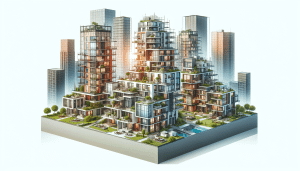
Urban real estate is evolving rapidly, influenced by technological innovations, sustainability concerns, and changing lifestyle preferences. Emerging real estate trends in urban areas reflect shifts in housing demand, investment strategies, and city planning. From smart housing to mixed-use developments, these trends are shaping the future of urban living and offering opportunities for investors, developers, and residents alike.
This article explores the most significant trends currently redefining urban real estate and offers insights for stakeholders in 2025 and beyond.
1. Smart and Connected Homes
Smart home technology is increasingly integrated into urban residential developments, enhancing convenience, security, and energy efficiency.
- IoT-enabled devices such as smart thermostats, lighting, and security systems provide residents with control and automation.
- Voice-activated assistants allow seamless management of household functions.
- Energy-efficient solutions like smart meters and solar integration reduce utility costs and environmental impact.
According to a 2023 report by the Urban Land Institute, smart homes enhance property value and attract tech-savvy buyers who prioritize convenience and sustainability.
2. Co-Living and Shared Spaces
Urban housing is shifting toward flexible, community-oriented living arrangements that cater to young professionals and remote workers.
- Co-living spaces combine private rooms with shared kitchens, lounges, and workspaces.
- Shared amenities such as gyms, coworking areas, and community gardens foster collaboration and social interaction.
- These models offer affordable urban living while addressing space constraints in high-demand cities.
A 2022 study by JLL highlights that co-living arrangements are growing 15% annually in major metropolitan areas due to affordability and social benefits.
3. Sustainable and Green Developments
Environmental concerns are driving demand for eco-friendly urban properties that reduce carbon footprints and promote wellness.
- LEED-certified buildings and sustainable construction materials improve energy efficiency and reduce emissions.
- Green rooftops and vertical gardens enhance aesthetics, air quality, and biodiversity.
- Smart water and waste management systems support sustainable urban living.
The World Green Building Council (2023) reports that sustainable developments attract higher tenant retention and command premium pricing in urban markets.
4. Mixed-Use Developments
Urban real estate increasingly combines residential, commercial, and recreational spaces to create vibrant, multifunctional communities.
- Live-work-play environments reduce commute times and enhance convenience.
- Retail, dining, and entertainment integrated with housing improves quality of life.
- Mixed-use projects often increase property values and attract diverse demographics.
According to CBRE (2023), mixed-use developments in urban areas are projected to grow 20% over the next five years, driven by demand for convenience and lifestyle integration.
5. Flexible Workspaces and Home Offices
Remote and hybrid work models are influencing residential design, with an emphasis on dedicated workspace solutions.
- Homes with office areas or adaptable rooms support productivity for remote workers.
- Shared coworking spaces within residential complexes provide collaboration opportunities.
- Developers are integrating soundproof rooms, ergonomic setups, and high-speed connectivity to meet work-from-home needs.
A 2022 report by Knight Frank found that 60% of urban buyers consider home office features essential when selecting properties.
6. Affordable Urban Housing Initiatives
Rising urban populations and housing demand have increased the need for affordable and accessible housing solutions.
- Governments and developers are partnering to provide subsidized housing or rental assistance programs.
- Compact and modular units optimize space and reduce costs.
- Policies supporting inclusive zoning encourage mixed-income neighborhoods in city centers.
The Urban Institute (2023) notes that innovative affordable housing solutions are critical to addressing urban population growth and preventing housing shortages.
7. Technology-Driven Property Management
Digital tools are transforming how properties are managed, improving efficiency, tenant satisfaction, and operational transparency.
- Property management apps streamline rent collection, maintenance requests, and communication.
- AI and predictive analytics help monitor occupancy trends, energy usage, and market performance.
- Virtual tours and 3D modeling enable remote property viewing, enhancing marketing and leasing efficiency.
According to Real Estate Tech Insights (2023), technology adoption in urban property management reduces operational costs by up to 25% while improving tenant retention.
Emerging real estate trends in urban areas are reshaping how people live, work, and interact in cities. Smart homes, co-living, sustainable developments, mixed-use projects, and flexible workspaces reflect evolving priorities in convenience, sustainability, and lifestyle.
Investors, developers, and residents who understand these trends can make informed decisions, optimize urban living experiences, and capitalize on opportunities in dynamic metropolitan markets.
References
Urban Land Institute (2023). Smart Homes and Urban Residential Development. Available at: https://urbanland.uli.org
JLL (2022). Co-Living and Shared Spaces in Metropolitan Areas. Available at: https://www.jll.com
World Green Building Council (2023). Sustainability in Urban Real Estate. Available at: https://www.worldgbc.org
CBRE (2023). Growth of Mixed-Use Developments in Cities. Available at: https://www.cbre.com
Knight Frank (2022). The Rise of Home Offices in Urban Housing. Available at: https://www.knightfrank.com
Urban Institute (2023). Affordable Housing Strategies in Urban Areas. Available at: https://www.urban.org
Real Estate Tech Insights (2023). Technology Adoption in Property Management. Available at: https://www.realestatetechinsights.com

 Nutrition Tips That Improve Mental Focus