Why Gut Health Matters More Than You Realize
Evangeline Keaton December 1, 2025
The world of gut health is more fascinating than most realize. With the rise of probiotics, prebiotics, and microbiome research, people are discovering how digestive wellness impacts much more than just comfort. Explore the subtle signs, underlying science, and everyday choices that can transform the way you look and feel.
Understanding Gut Health and Its Impact
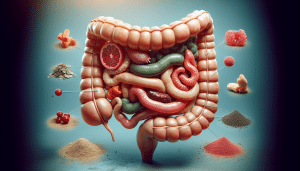
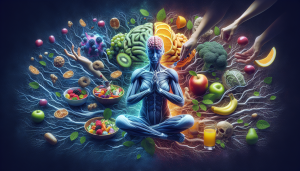
The digestive system is often called the body’s “second brain.” That’s because the gut contains millions of nerve cells, known as the enteric nervous system, which communicate with the brain. Gut health means more than smooth digestion; it directly affects sleep, immune function, and even mood. Research on the microbiome—the ecosystem of trillions of bacteria in your gut—shows connections between digestive balance and long-term wellness. When the gut is thriving, the whole body feels it.
Your gastrointestinal tract is not only responsible for absorbing nutrients, but it also plays a big role in protection. About 70% of the immune system is found along the intestines, where good bacteria help defend against pathogens. If this balance is disrupted by processed foods, antibiotics, or chronic stress, problems often emerge. These can range from bloating and fatigue to skin issues and lowered resistance to infections. Restoring gut health makes a difference in daily life.
Signs of an unhappy gut can be surprisingly varied. Symptoms may sneak up as changes in sleep, increased cravings, headaches, or even unexplained mood shifts. Studies highlight that particular strains of bacteria help with neurotransmitter production, such as serotonin. This discovery connects gut wellness, mental health, and physical vitality. Curiosity about how diet affects gut health is growing worldwide—and for good reason.
How Probiotics and Prebiotics Influence Digestive Wellness
Probiotics are live microorganisms that deliver health benefits when eaten in adequate amounts. Popular sources include yogurt, kefir, kimchi, sauerkraut, and some supplements. These helpful bacteria help restore or maintain a healthy gut flora, improving digestion and reducing occasional discomfort. Many studies support probiotics’ role in soothing symptoms of irritable bowel syndrome, decreasing inflammation, and even boosting immunity (Source: National Center for Complementary and Integrative Health).
Prebiotics, on the other hand, are a type of dietary fiber that feeds the good bacteria already present in your digestive system. Foods rich in prebiotics include garlic, onions, leeks, asparagus, bananas, and whole grains. When these fibers reach the colon, they ferment, providing nourishment for beneficial microbes. A diet combining prebiotic and probiotic foods has a synergistic effect—this is often called synbiotic nutrition.
Integrating both probiotics and prebiotics into meals doesn’t require drastic change. Sometimes, just adding a serving of sauerkraut or yogurt while enjoying meals with fiber-rich veggies creates positive shifts over time. Researchers are even looking at how synbiotics may help manage allergies, improve cholesterol, and reduce the risk of certain illnesses (Source: Harvard T.H. Chan School of Public Health).
The Secret Life of the Microbiome
The human microbiome is a world of its own. Trillions of bacteria, viruses, and fungi live along the digestive tract. This community is unique to every individual and shaped by early childhood, diet, medication use, and the environment. While some microbes help break down food and produce vitamins, others can signal inflammation or increase disease risk if allowed to dominate. Diversity is crucial—a wide range of strains makes for a resilient gut.
Research using advanced genomic techniques has revealed how gut bacteria send chemical messages throughout the body. These molecules can affect metabolism, immune cell activation, and even pain signals. This complex ecosystem sometimes struggles with the demands of modern living, such as high-sugar foods, low fiber intake, and regular antibiotic exposure. Supporting microbial diversity through thoughtful food choices is a powerful tool for wellness.
There is no single profile of a healthy microbiome, but certain patterns stand out. A gut rich in Bifidobacteria and Lactobacillus is often linked to better digestion and lower inflammation. Meanwhile, a loss of beneficial strains can make the gut more reactive to stress and prone to leaky gut or autoimmune issues. Ongoing research hopes to personalize diets and therapies to help every person balance their unique microbiome (Source: National Human Genome Research Institute).
Diet, Lifestyle, and Stress: What Shapes Gut Function
Eating patterns have a profound impact on digestive wellness. Diets high in processed foods, saturated fats, and sugars encourage the growth of less helpful gut bacteria. In contrast, plant-centered meals—rich in fruits, vegetables, whole grains, legumes, nuts, and seeds—offer plenty of fibers and phytonutrients, creating the ideal environment for the microbiome. Water is equally important, keeping things moving and supporting detoxification. Fermented foods are a tasty way to multiply beneficial microbes, too.
Lifestyle choices, such as consistent sleep, moderate physical activity, and avoiding excessive alcohol, all play a part. Sleep deprivation and chronic stress send hormones that alter the gut barrier, making it easier for inflammation to take hold. High-pressure days or irregular routines often lead to imbalances. Finding enjoyable activities that reduce stress, whether gardening or short walks, makes a difference in gut resilience (Source: American Psychological Association).
It’s not all about restriction. Occasional indulgences won’t ruin gut health. What matters is the overall pattern—the habits built day after day. Gradually adding a new vegetable to dinner or swapping a soft drink for herbal tea can encourage progress. Whenever possible, preparing food at home and eating slowly gives the body a better chance to digest, absorb, and benefit from nutrients. These steps empower lasting changes without overwhelming the mind or palate.
Recognizing Signs of a Gut Out of Balance
Gut trouble doesn’t always show up as stomach pain. Sometimes, the clues are subtle. Chronic fatigue, stubborn skin problems, recurring headaches, and even mood swings can be traced back to an imbalanced digestive system. Scientists are uncovering connections between gut bacteria and neurotransmitters like serotonin and dopamine—important for stable moods and quality sleep. When something feels off, watching for multiple signs can provide important insights (Source: National Institutes of Health).
Classic signs of digestive imbalance can include irregular bowel movements (like constipation or diarrhea), persistent bloating, embarrassing gas, or acid reflux. These issues sometimes resolve with gentle changes in food or activity, but ongoing problems suggest deeper imbalances that may require medical input. Keeping a food and symptom journal helps spot patterns and reveals potential triggers.
Sometimes, people notice a foggy mind, new food intolerances, or persistent sugar cravings—all of which may point to a gut in need of care. Instead of masking symptoms, taking a look at overall lifestyle can guide adjustments that foster balance over time. Experts emphasize the importance of early recognition, as small shifts often prevent more disruptive health issues down the road.
Everyday Strategies to Support Gut Wellness
Simple, steady changes make the biggest difference. Drinking more water, choosing whole foods, and diversifying vegetables all boost fiber intake—which is foundational for good gut health. Replacing refined grains with whole grains supports a slow, steady energy release and feeds helpful bacteria. Enjoying a variety of colors on the plate helps ensure a range of nutrients and antioxidants.
Taking care of gut health may also mean checking labels on supplements, keeping antibiotics for when they’re truly necessary, and trying to manage daily stress. Regular movement, such as walking, yoga, or cycling, helps keep the digestive tract active. Sleep doesn’t just restore the mind—studies show it stabilizes microbial rhythms within the gut, too (Source: Sleep Foundation).
There are many more ways to explore digestive wellness. Some find success using mindful eating techniques, such as chewing slowly or practicing gratitude before meals. Others track fiber intake to keep things balanced. Experimenting with recipes, trying new fermented foods, and seeking variety—these are enjoyable ways to support gut health for years to come.
References
1. National Center for Complementary and Integrative Health. (n.d.). Probiotics: What You Need To Know. Retrieved from https://www.nccih.nih.gov/health/probiotics-what-you-need-to-know
2. Harvard T.H. Chan School of Public Health. (n.d.). Probiotics and Prebiotics. Retrieved from https://www.hsph.harvard.edu/nutritionsource/probiotics-and-prebiotics/
3. National Human Genome Research Institute. (n.d.). Microbiome Fact Sheet. Retrieved from https://www.genome.gov/27549400/microbiome-fact-sheet/
4. American Psychological Association. (2012). That gut feeling. Retrieved from https://www.apa.org/monitor/2012/09/gut-feeling
5. National Institutes of Health. (2019). How gut bacteria affect mood and brain. Retrieved from https://www.nih.gov/news-events/nih-research-matters/how-gut-bacteria-affect-mood-brain
6. Sleep Foundation. (n.d.). Gut Health and Sleep. Retrieved from https://www.sleepfoundation.org/physical-health/gut-health-and-sleep

 Discover Mindful Living Habits That Energize You