Exploring Gut Health: Why You May Be Missing the Signs
Evangeline Keaton November 26, 2025
Many people overlook the vital role of gut health in their overall well-being. This guide uncovers how digestive balance influences immunity, energy, and mood—and what subtle signs might signal it’s time to pay attention. Learn about proven strategies and real science about the microbiome that may surprise you.
Unseen Signs of Gut Imbalance You Might Overlook
The digestive tract is not just about processing food. Tiny symptoms can indicate growing imbalance in the gut, sometimes long before obvious discomfort sets in. Issues like unexpected skin rashes, persistent fatigue, or recurrent bloating can all share a hidden root: problems with the gut microbiome. A thriving network of bacteria influences much more than digestion. Many people notice changes in mood or even increased brain fog when their digestive system is off-balance. Recognizing these subtle signs early can help guide better wellness decisions.
You may notice food cravings that don’t match your usual appetite or random sensitivities to bread, dairy, or spicy foods. Some individuals report joint discomfort or trouble sleeping as their first signals of gut trouble. Often ignored, these signals may indicate that friendly bacteria are outnumbered by less beneficial microbes. Supporting balance in the microbiome isn’t simply about easing stomach discomfort—it’s also about supporting a strong immune system, mental clarity, and resilience to ordinary stress.
For some, occasional constipation or loose stools flag possible changes in gut function. Skin conditions such as acne or eczema might also be traced to digestive disruption. Fatigue, mood swings, or slow wound healing can have surprising links to gastrointestinal health. Noticing patterns in these diverse symptoms—and understanding their connection—can be a starting point for exploring possible improvements with diet, lifestyle, and evidence-based wellness choices.
The Gut Microbiome: Tiny Organisms, Big Impact
Every digestive tract is home to trillions of microorganisms collectively known as the gut microbiome. These include beneficial bacteria and other microbes that help break down food, produce key vitamins, and crowd out invaders. When this delicate ecosystem is disrupted—by stress, antibiotics, poor diet, or infections—it can shift the balance toward problems. Research shows that the diversity and abundance of these microbes influences nearly every system in the body, from metabolism to mood regulation and even immune responses (https://www.niddk.nih.gov/health-information/digestive-diseases/digestive-system-how-it-works).
The gut microbiome is dynamic. Each individual’s microbial community shifts in response to food choices, travel, medications, and changes in environment. Fiber-rich and fermented foods like sauerkraut, yogurt, and kimchi can feed good bacteria, while excess sugar, heavy alcohol use, or chronic stress may encourage less helpful strains. Scientists are discovering that these tiny organisms help produce neurotransmitters such as serotonin, contribute to vitamin synthesis, and play a part in how the body responds to allergens and pathogens.
Maintaining balance in this microscopic world is not about seeking perfection but about encouraging diversity. The richer the variety of beneficial bacteria, the more resilient the gut ecosystem tends to be. Many researchers now believe that biodiversity in the gut supports everything from disease prevention to maintaining energy and cognitive sharpness. Simple daily choices—adding vegetables, choosing whole grains, and mindfully limiting processed foods—can directly shape the microbiome landscape for lasting wellness.
Diet’s Role in Supporting Digestive Wellness
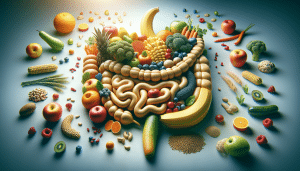
What goes into the stomach supports—or sometimes disrupts—the gut. Diet is a powerful way to influence the microbiome. Whole, plant-based foods supply fiber that acts as fuel for friendly gut bacteria. In contrast, ultra-processed or high-sugar diets may reduce those helpful populations and allow less desirable microbes to thrive. Many nutritionists recommend incorporating a spectrum of colorful vegetables, fruits, legumes, and prebiotic-rich foods such as garlic, onions, and bananas.
Probiotic foods, those containing live cultures, build resilience in the digestive tract. Yogurt, kefir, miso, and pickled vegetables offer more than flavor—they can quietly strengthen immune defenses and digestion. Each person may respond somewhat differently to probiotics, but making them a regular part of the diet can be beneficial for many people seeking better gut balance. Not everyone needs supplements—sometimes a dietary shift is enough to bring noticeable changes.
Hydration, too, is often overlooked. Drinking enough fluids ensures smooth movement of food through the digestive tract and supports the natural elimination of waste and toxins. Some individuals find relief from mild digestive discomfort simply by boosting daily water intake. Mindful eating, focusing on chewing, and eating at a relaxed pace can also allow digestive processes to work efficiently, giving the microbiome its best chance to thrive.
Stress Management and Gut-Brain Connection
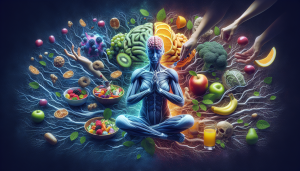
The relationship between mind and digestion is powerful. The gut-brain connection involves complex communication through nerves, hormones, and microbial signals that influence mood and wellbeing. Chronic stress can disturb gut function and even lead to changes in the microbiome. Some people notice digestive issues flare during anxious or high-pressure periods, while others find stress relief improves their gastrointestinal comfort (https://www.apa.org/topics/stress/gut-brain-connection).
Mindfulness practices, yoga, and relaxation techniques are not just about mental peace—they can have direct effects on gut health. Slowing the breath and redirecting attention away from stress helps regulate digestion by calming the nervous system. Good sleep hygiene is also vital, as sleep loss disrupts both hormones and microbial patterns in the digestive tract. Prioritizing sleep, relaxation, and joyful activities can support gut-brain harmony.
Some researchers believe regular exercise, social connection, and outdoor activity also positively influence the gut-brain axis. Suggesting short walks, time in nature, or even laughter as gentle, indirect supports for digestive wellness is backed by growing data. Building awareness of how stress and mood affect bodily sensations can empower individuals to make choices that benefit both mind and digestive system.
Medical Conditions Tied to Gut Health
Emerging evidence connects gut health to various chronic conditions, from inflammatory bowel disease (IBD) and irritable bowel syndrome (IBS) to allergies and autoimmune disorders. The digestive system plays a role in hormonal balance, absorption of nutrients, and elimination of waste—each step influenced by microbiome health. Noticing changes in bowel habits or unexplained swelling, pain, or weight fluctuations can warrant exploring digestive causes.
Even risk for metabolic syndrome, diabetes, and certain cardiovascular diseases may be linked to composition and activity of gut microbes. Research has shown that people with diverse, balanced microbiomes often fare better in long-term health outcomes. Meanwhile, persistent dysbiosis—an imbalance in microbial populations—can have effects far beyond classic gastrointestinal symptoms, including immune dysfunction and mood disturbances (https://www.ncbi.nlm.nih.gov/pmc/articles/PMC5641835/).
No single test can diagnose gut imbalance comprehensively, but healthcare professionals can evaluate symptoms, nutrition, and medical history together. Addressing underlying inflammation, correcting nutritional deficiencies, and supporting microbiome diversity may all play a part in holistic care. It’s important for individuals with persistent or unexplained symptoms to seek a professional evaluation to rule out serious disease while exploring broader wellness strategies.
Simple Daily Habits for a Happier Digestive System
Developing habits that nurture the gut mainly requires consistency, not perfection. Eating a wide variety of plants—aiming for at least five to ten different kinds per week—can enhance microbial diversity. Rotating foods and occasionally adding fermented foods supports further resilience. Paying attention to food labels, limiting processed dietary fats, and choosing fiber-rich snacks all help maintain digestive wellness day after day.
Physical activity supports gut movement and encourages beneficial microbial shifts. Something as simple as a brisk walk, gentle stretching, or dancing after meals may help reduce bloating and discomfort. Regular meal times help set the digestive ‘clock’, supporting both appetite hormones and bowel regularity. Avoiding eating late in the evening and allowing enough time between meals gives the system time to rest and recover.
Many people benefit from keeping a health journal to track foods, symptoms, stressors, and sleep. Noticing trends over time can reveal patterns or intolerances that might otherwise go unnoticed. Balancing new habits with enjoyment and flexibility is important for lasting change. Tools like health tracking apps can offer guidance, but the most valuable insights often come from mindful self-observation and openness to gradual improvements.
References
1. National Institute of Diabetes and Digestive and Kidney Diseases. (n.d.). Your Digestive System & How it Works. Retrieved from https://www.niddk.nih.gov/health-information/digestive-diseases/digestive-system-how-it-works
2. American Psychological Association. (n.d.). The gut-brain connection. Retrieved from https://www.apa.org/topics/stress/gut-brain-connection
3. National Institutes of Health. (2020). Gut Microbiome and Diseases. Retrieved from https://www.nih.gov/news-events/nih-research-matters/gut-microbiome-diseases
4. Centers for Disease Control and Prevention. (2022). Fiber: The Carb That Helps You Manage Things. Retrieved from https://www.cdc.gov/nutrition/data-statistics/know-your-limit-for-added-sugars.html
5. National Center for Biotechnology Information. (2017). Gut microbiota, immunity, and diet: An intertwined relationship. Retrieved from https://www.ncbi.nlm.nih.gov/pmc/articles/PMC5641835/
6. Harvard T.H. Chan School of Public Health. (n.d.). The Nutrition Source: Fiber. Retrieved from https://www.hsph.harvard.edu/nutritionsource/carbohydrates/fiber/

 Self Care Rituals You Might Want to Try at Home