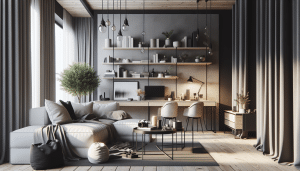
Unexpected Ways Interior Design Impacts You
Evangeline Keaton November 18, 2025
Explore how your home’s interior design can influence well-being, mood, and daily habits. This guide reveals practical strategies and eye-opening insights into the power of interior spaces to support healthier, happier living without overwhelming budgets.
The Psychology of Interior Design on Daily Life
Our environment shapes how we feel and behave, often without us realizing it. Interior design is more than arranging furniture; it’s the silent partner influencing mood and motivation. Evidence suggests the colors, textures, and organization in your living space subtly guide emotions from calmness to energy. High-EPC search terms like ‘home decor psychology’ and ‘design affects mood’ reflect real curiosity about these everyday influences. By understanding the relationship between surroundings and feelings, people become empowered to create living spaces that nurture healthy habits and improve daily routines.
Color psychology is a cornerstone of design, with certain tones—like soft blues and greens—promoting tranquility, while vibrant colors such as red or orange spark energy and conversation. Even small choices, like the material of household objects, can create tactile comfort or sleek efficiency. Design professionals often reference research that shows organized spaces tend to reduce stress and visual clutter. Learning from these studies opens new ways to tailor interiors to personal goals, whether that’s winding down after work or energizing morning routines.
Popular culture increasingly highlights the influence of environment on wellness, supported by reality shows and viral room makeovers. Terms such as ‘biophilic design’ or ‘natural lighting benefits’ have surged in search trends. It’s now recognized that light levels, plants, and outdoor views play a role in mental and emotional balance. Embracing a design philosophy that prioritizes both beauty and well-being can help transform daily life. Integrating these ideas into even the smallest apartment demonstrates the universal potential of mindful interiors.
Choosing Colors and Textures for Healthier Habits
Color and texture aren’t just aesthetic choices—they actively participate in shaping mood and choices. Studies have shown that soft blue tones can help lower blood pressure and heart rates. Similarly, warm earth hues connect occupants to nature, supporting mental relaxation. When searching for inspiration with keywords like ‘calming wall colors’ or ‘wellness design tips,’ you’ll discover a wealth of research-backed suggestions for peaceful bedroom retreats or lively social spaces. By matching the purposes of each room with color theory, interior design can become a tool for healthier routines.
Textures are equally potent, offering sensory relief or stimulation. Plush fabrics in common areas invite people to relax, while clean, smooth surfaces in workspaces encourage focus. For families with children or pets, durable materials and washable finishes reduce stress and maintenance—another factor in overall well-being. Interior designers recommend layers of textiles for both comfort and style specificity. Whether your taste leans modern or traditional, the variety of available textures allows for individualized comfort while reinforcing healthy behaviors.
Color and texture choices can go beyond trend-chasing. By reflecting on personal associations—maybe the nostalgia of a favorite blanket or the invigorating effect of sunlight—anyone can craft spaces that support their unique needs. Many wellness authorities stress the importance of coherence throughout the home, citing that visually harmonious spaces help reduce decision fatigue and cognitive overload. Simple upgrades—like adding a few throw pillows in a calming palette or swapping out harsh lighting for a softer glow—make a tangible difference in your peace of mind.
Furniture Placement and Flow in Everyday Routines
The arrangement of furniture silently dictates movement and social interaction. Research on spatial dynamics shows that areas with clear, intuitive traffic patterns reduce accidents and foster a sense of harmony. Keywords such as ‘furniture layout tips’ or ‘ergonomic living room’ suggest people are eager to find efficient, comfortable solutions for their homes. By thoughtfully designing the paths people take through common spaces, households can enhance both safety and enjoyment, promoting daily productivity and leisure without unnecessary interruptions.
Open layouts encourage togetherness and conversation, while strategic placement of seating creates intimacy or privacy as needed. Professional designers advocate for knowing the functions a room must serve before finalizing furniture placement. Adjustable pieces such as modular sofas or multipurpose tables have become popular because they adapt easily as family needs shift. Unlike static arrangements, flexible layouts empower users to tailor spaces to changing activities, from working remotely to hosting gatherings.
Beyond aesthetics, good spatial flow supports physical health by encouraging movement and reducing the risk of clutter build-up. For instance, dedicated zones for exercise or reading can nudge occupants toward healthier behaviors during downtime. By evaluating how people move through their homes, many discover small tweaks—like shifting a coffee table or adding a cozy corner chair—can revitalize routines. Focusing on flow and function invites an ongoing relationship with interior spaces, evolving them alongside life’s changes.
Lighting Design for Mood and Productivity
Light—natural or artificial—plays a pivotal role in regulating energy, focus, and even sleep quality. Homeowners increasingly seek advice using terms like ‘LED lighting for wellness’ and ‘maximize daylight indoors.’ The right lighting can create an energizing morning kitchen or a soothing evening bedroom. Studies from environmental psychology confirm well-placed windows and adjustable fixtures boost mood and productivity. Natural daylight, when available, is linked to better sleep and even increased motivation during the day.
A mix of task, ambient, and accent lighting is often recommended for a balanced interior. Dimmable bulbs and smart lighting systems allow users to adapt to their needs in real-time, gently transitioning from daytime activity to nighttime calm. By layering lights, you can cater to diverse requirements, such as focused work or cozy family movie nights. Consistent, flicker-free illumination is another wellness consideration—fewer headaches and eye strain, more sustained comfort.
Light color temperature also affects the body’s circadian rhythm. Cool whites are invigorating in workspaces, while warm lights are ideal for bedrooms and relaxation zones. Popular search terms like ‘biophilic lighting’ and ‘health-supporting light bulbs’ reflect a public interest in holistic, science-backed approaches. These upgrades need not be expensive—sometimes, simply swapping curtains to let in more sunlight or rearranging seating to face a view can shift the entire mood of a room, encouraging healthier lifestyles day to day.
Biophilic Design: Bringing the Outdoors In
Biophilic design—integrating nature and natural elements into interiors—is gaining attention as a way to boost well-being and performance. Search engines show rising queries like ‘indoor plants for health’ and ‘nature-inspired homes.’ Studies show that exposure to greenery supports stress reduction, concentration, and overall happiness. Easy additions like potted plants or even botanical artwork can connect people to the calming rhythms of the natural world, making homes feel more alive and welcoming.
Natural materials—wood, stone, wool, linen—introduce warmth and texture impossible to replicate synthetically. For example, incorporating reclaimed wood or bamboo into flooring and furnishings adds character while supporting eco-conscious values. Large windows, skylights, and strategically positioned mirrors help maximize light and outdoor views, supporting mental refreshment and ongoing engagement with changing seasons. These subtle touches foster a sense of refuge and inspiration within the built environment.
Biophilic elements also bolster indoor air quality when real plants are involved, while simulated nature—such as water features or digital skylines—can offer similar effects when greenery isn’t practical. Wellness advocates recommend starting with low-maintenance options like snake plants or peace lilies. These provide both beauty and function without demanding constant care. The overall result? A happier, more focused, and healthier household, even in the heart of a city or high-rise apartment.
Personalizing Interior Design for Long-Term Wellness
Personal touches give interiors meaning and encourage positive emotional connections with home. Items with personal stories or family significance, thoughtfully displayed, anchor rooms in authenticity. Searches like ‘how to personalize my decor’ or ‘mental benefits of meaningful art’ show increasing interest in these elements. Instead of mimicking generic trends, integrating favorite colors, inherited objects, or travel mementos can help foster a strong sense of belonging and identity.
Regular refreshes—switching up pillow covers, rotating art, bringing in seasonal plants—invigorate interiors and keep environments responsive to evolving needs. Experts recommend periodic decluttering as a way to maintain mental clarity and reduce distraction. Small-scale updates also make home environments more resilient to stress, offering easy ways to adapt to life’s changes without major renovation. Layering old with new, curated with spontaneous finds, keeps the design both current and unique.
Personalization isn’t about perfection. It’s about joy and comfort. Allowing flexibility in design supports habit-building and routine maintenance, as spaces adapt to support life changes over time. When interior design responds to authentic needs—rather than just aesthetics—it becomes a sustainable asset for wellness. Every household can craft a nurturing, functional atmosphere by tuning into how interiors interact with daily moods, health, and habits, building a legacy of supportive living space for years to come.
References
1. American Psychological Association. (n.d.). The impact of interior design on well-being. Retrieved from https://www.apa.org/monitor/2019/03/cover-building-well-being
2. Harvard Health Publishing. (n.d.). The healing power of nature in design. Retrieved from https://www.health.harvard.edu/mind-and-mood/the-healing-power-of-nature-in-design
3. Environmental Protection Agency. (n.d.). Indoor air quality: The influence of design. Retrieved from https://www.epa.gov/indoor-air-quality-iaq/indoor-air-quality-building-design
4. Cornell University. (n.d.). Color and environment: Design impacts. Retrieved from https://www.human.cornell.edu/dea/outreach/upload/ColorandtheEnvironment.pdf
5. University of Minnesota. (n.d.). The influence of interior design on mood. Retrieved from https://takingcharge.csh.umn.edu/create-healing-environment
6. National Library of Medicine. (n.d.). Effects of indoor plants on mood and cognition. Retrieved from https://www.ncbi.nlm.nih.gov/pmc/articles/PMC4419447/

 Habits That Can Support Longevity and Vitality