Surprising Ways Gut Health Impacts Your Wellbeing
Evangeline Keaton November 4, 2025
Discover how your gut health influences everything from mental clarity to immune strength. This comprehensive guide uncovers the hidden links between the microbiome, diet, stress, and wellness, offering evidence-backed insights and actionable information for those curious about digestive health.
Gut Health: The Unexpected Link to Overall Wellbeing
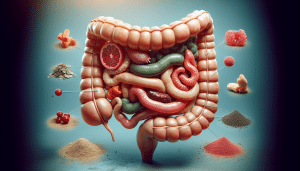
Many people overlook the significant impact a healthy gut can have on daily life. The digestive tract is home to trillions of microbes, collectively referred to as the gut microbiome. These organisms assist in breaking down food, producing vital nutrients, and crowding out harmful pathogens. When the microbiome is in balance, people may experience heightened energy, stable mood, and fewer digestive complaints. Even subtle changes in the composition of these microbes can influence how the body processes nutrients, and disruptions can set the stage for short- or long-term health challenges.
The connection between gut health and immune function is an area of growing research interest. A well-balanced microbiome helps regulate immune responses, playing a role in the prevention of inflammation and infection. Scientists have found that nearly 70% of the immune system resides in the gut-associated lymphoid tissue (Source: https://www.niaid.nih.gov/research/mucosal-immunology). When beneficial bacteria flourish, the immune system tends to function smoothly. However, an imbalance can make individuals more vulnerable to seasonal illness or longer-term conditions.
Mental health and gut health are more closely connected than many assume. The gut produces neurotransmitters—chemical messengers such as serotonin and dopamine—that influence mood, sleep, and cognition. This exchange is sometimes called the “gut-brain axis.” Research suggests that an unhealthy gut can increase the risk of experiencing anxiety, depression, and even trouble with focus. Eating to support the gut may offer a new approach to caring for both mind and body.
The Microbiome: Why Diversity Matters
A diverse microbiome supports adaptability and resilience inside the gut. This means the body can process a wider variety of foods and fend off unhealthy microbes with greater ease. Scientists studying different populations around the globe often note higher microbiome diversity among groups eating varied, plant-rich diets (Source: https://www.nature.com/articles/s41591-022-02072-7). In contrast, sleep disruptions, antibiotics, and highly processed foods can all lead to decreased diversity, making the gut environment less robust. Paying attention to what is consumed—especially fiber, fruits, and fermented foods—can help restore balance.
How each person’s microbiome develops is unique. Factors like birth method, early childhood diet, and environmental exposures play key roles in setting up the gut’s ecosystem. Over time, this ecosystem adapts in response to stress, diet, and lifestyle. Improving variety in nutrient intake, such as by adding yogurt, kefir, sauerkraut, or kimchi to meals, has been shown to increase microbial diversity (Source: https://www.ncbi.nlm.nih.gov/pmc/articles/PMC4997393/). The more varied and stable the microbiome, the greater its ability to support health and resist disruption.
The importance of gut diversity also ties to immune response. Different strains of bacteria perform different jobs, such as helping to break down fibers, supporting a strong gut barrier, and even communicating with immune cells. If diversity drops, single potentially harmful species may gain dominance, leading to inflammation or digestive upset. Striving for a well-rounded, fiber-rich diet is one practical way people work toward a strong, diverse gut foundation.
Diet Strategies for a Thriving Microbiome
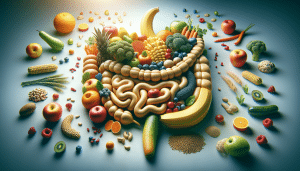
The foods eaten every day directly shape the microbial environment in the gut. Diets rich in fiber from whole grains, legumes, vegetables, and fruits fuel beneficial bacteria. As these microbes digest dietary fiber, they produce short-chain fatty acids—compounds that help strengthen the lining of the gut and reduce inflammation (Source: https://www.hsph.harvard.edu/nutritionsource/prebiotics-probiotics-and-your-health/). Lower-fiber diets can result in fewer beneficial bacteria and a weaker gut barrier, potentially allowing harmful substances into the bloodstream.
Incorporating fermented foods introduces live microbes, actively raising the diversity of the microbiome. Foods such as kimchi, miso, pickles, and natural yogurt contain strains of beneficial bacteria. Consuming these regularly can lead to measurable changes in the gut environment. Prebiotics—foods that feed good bacteria, like garlic, onions, and bananas—also play a vital role. Extracting the most benefit comes from eating both prebiotic and probiotic foods.
Limiting highly processed foods, added sugars, and unhealthy fats may prevent unwanted changes in the gut. Frequent consumption of these foods can decrease microbial richness and increase inflammation. Instead, focusing on a plant-forward, whole-foods style of eating appears to encourage a gut environment where beneficial microbes thrive. This strategy for improving gut health is highly practical and evidence-backed (Source: https://www.ncbi.nlm.nih.gov/books/NBK459455/).
Stress, Sleep, and Their Influence on Digestion
Psychological and physical stress take a toll on the digestive tract. During times of heightened stress, the body produces hormones that alter gut motility, sometimes leading to symptoms like bloating, discomfort, constipation, or diarrhea. Chronic stress may also alter the balance of the microbiome, encouraging growth of potentially harmful bacteria. Strategies that address stress—from mindfulness to movement—can have meaningful effects on gut comfort and regulation.
Sleep patterns and quality impact the microbiome as well. Poor or disrupted sleep can shift the types and proportions of microbes in the gut, making it harder for beneficial strains to flourish. People who prioritize sleep hygiene—such as getting consistent, adequate rest—report fewer digestive complaints and better overall energy. While the full mechanisms are not yet understood, maintaining good sleep may protect the gut lining and microbial populations (Source: https://www.sciencedaily.com/releases/2019/10/191028151602.htm).
A holistic approach tackling both stress and sleep can provide benefits far beyond digestion. Mindfulness, deep breathing, or gentle movement like yoga may help reduce the cascade of stress hormones that disrupt digestion. Investing in regular, restful sleep creates an internal environment where helpful microbes can multiply, supporting long-term gut health and resilience.
Gut Health and Immunity: What Science Reveals
The gut is not just for digestion—it is a major immune organ. A robust microbiome helps regulate the function and training of immune cells, defending the body against harmful invaders. When the gut lining is strong and healthy, it serves as a critical barrier. Emerging evidence suggests that a well-nourished gut may reduce the risk of certain inflammatory and autoimmune conditions (Source: https://www.ncbi.nlm.nih.gov/pmc/articles/PMC5641835/).
Antibiotics, while sometimes necessary, can disturb the delicate balance of the microbiome. This disruption may lead to short-term digestive symptoms and, in some cases, allow harmful bacteria to take hold. Replenishing the gut with fiber-rich and probiotic foods after antibiotics is one approach commonly recommended by gut health specialists. Supporting the gut immune system relies on both restoring diversity and avoiding harmful exposures.
Seasonal changes and travel also influence the microbiome and immune function. Shifts in diet, exposure to new bacteria, or differences in water quality can mean that gut health fluctuates. Being proactive—by supporting gut diversity and immune response—may be especially important during these times. Preparing ahead with a balanced, plant-abundant diet and consistent lifestyle routines helps many individuals avoid digestive disruptions and supports steadfast wellness.
Everyday Habits That Make a Difference
Simple lifestyle adjustments contribute to gut comfort and resilience. Drinking enough water each day helps the digestive process and ensures fiber can perform its gut-nourishing role. It is also helpful to eat slowly and chew thoroughly, supporting both nutrient absorption and the initial breakdown of carbohydrates by enzymes in the saliva.
Building daily routines around movement, stress reduction, and mealtime consistency also benefits digestive function. Even short walks after meals have been found to encourage healthy gut motility. Taking breaks during busy schedules to check in with hunger, fullness, or hydration can help identify what works best for unique digestive needs.
Listening to what feels good in the digestive system is a powerful way to adjust habits over time. If discomfort or irregularity persists, professionals recommend keeping a food and symptom diary to help uncover patterns. While lifestyle choices matter, some individuals may require expert support for specific conditions or symptoms. Regularly tuning in and making gradual adjustments fosters a stronger foundation for gut wellness every day.
References
1. National Institute of Allergy and Infectious Diseases. (n.d.). Mucosal Immunology. Retrieved from https://www.niaid.nih.gov/research/mucosal-immunology
2. Sonnenburg, J.L., & Sonnenburg, E.D. (2022). The Influence of Diet on the Gut Microbiota and Health. Nature Medicine. Retrieved from https://www.nature.com/articles/s41591-022-02072-7
3. Marco, M.L., et al. (2017). Health Benefits of Fermented Foods: Microbiota and Beyond. Current Opinion in Biotechnology. Retrieved from https://www.ncbi.nlm.nih.gov/pmc/articles/PMC4997393/
4. Harvard T.H. Chan School of Public Health. (n.d.). Prebiotics, Probiotics, and Your Health. Retrieved from https://www.hsph.harvard.edu/nutritionsource/prebiotics-probiotics-and-your-health/
5. National Center for Biotechnology Information. (2019). The Human Microbiome: A Public Health Approach. Retrieved from https://www.ncbi.nlm.nih.gov/books/NBK459455/
6. University of Colorado at Boulder. (2019). How Sleep, Gut Bacteria Influence Each Other. Retrieved from https://www.sciencedaily.com/releases/2019/10/191028151602.htm

 Simple Habits That Support Heart Wellness