Surprising Everyday Habits That Support Gut Health
Evangeline Keaton October 30, 2025
Explore essential habits that can help maintain gut health and overall wellness. This guide reveals practical ways to nurture your digestive system with evidence-backed routines, dietary choices, and lifestyle insights—all designed to improve your well-being in simple, sustainable ways.
Understanding Gut Health and Its Importance
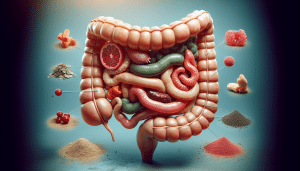
The human gut plays a crucial role in digestion, nutrient absorption, and immune defense. Trillions of microbes, including bacteria, fungi, and viruses, inhabit this environment, making up the gut microbiome. These organisms interact with the body in complex ways, influencing processes such as metabolism and inflammation. Scientific research highlights that a healthy gut microbiome is associated with better mood, reduced risk of chronic illness, and enhanced immune function. Individuals interested in long-term wellness often start with gut health due to its foundational role in overall vitality and resilience. Maintaining balance in this ecosystem can lead to improved energy and healthier digestion. (Source: https://www.nih.gov/news-events/nih-research-matters/understanding-gut-microbiome)
Many people are unaware that the gut is sometimes called the ‘second brain’. This is because it houses the enteric nervous system, which uses neurotransmitters also found in the brain. Serotonin, for example, is largely produced in the digestive tract. This interaction means that supporting gut health can have ripple effects on mental clarity, emotional balance, and stress response. Strategies for nurturing the gut—such as eating fiber-rich foods and reducing excess processed sugars—can, over time, lead to a calmer, more balanced mind and body, supporting daily vitality and wellness far beyond digestion alone.
Gut health can be influenced by a wide range of lifestyle choices, including sleep hygiene, exercise, and stress management. Research points out that chronic stress can disrupt the gut barrier and microbial balance, potentially leading to discomfort and weakened immunity. Gentle, everyday habits such as regular walks and mindfulness practices help the digestive system function smoothly. Even the timing of meals and the act of mindful eating (chewing thoroughly and eating slowly) are shown to assist digestion and foster a healthy gut. Understanding these connections is the first step to making lasting changes that promote wellness.
The Role of Fiber and Prebiotics in Digestion
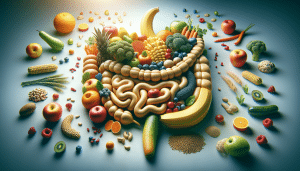
Fiber is a standout component when it comes to maintaining digestive wellness. Soluble fibers, found in oats, beans, and fruits, feed beneficial gut bacteria and create short-chain fatty acids essential for colon health. Insoluble fibers, such as those in whole grains and vegetables, add bulk to stool and support regular, comfortable bowel movements. Studies show that diets rich in diverse fibers are linked to a diversified microbiome, contributing to increased resilience against digestive upsets and inflammation. Integrating fiber gradually and from varied sources is advisable for most people interested in enhancing their digestive well-being. (Source: https://www.hsph.harvard.edu/nutritionsource/carbohydrates/fiber/)
Prebiotics are a specific kind of fiber that act as “food” for good bacteria. Unlike probiotics, which are live bacteria, prebiotics occur naturally in foods such as garlic, onions, asparagus, and bananas. Consuming a variety of prebiotic-rich foods is associated with improved bacterial diversity and a stronger gut barrier. This, in turn, may reduce risk of issues such as bloating, food sensitivities, and even eczema. Importantly, prebiotics do not usually require supplementation; most people who eat a plant-forward diet obtain them naturally. Gradual introduction is key to avoiding digestive discomfort during the adjustment period.
Research into fiber and prebiotics shows positive connections with mental health as well. Gut bacteria produce neurotransmitters and anti-inflammatory compounds, contributing to emotional stability and cognitive performance. Some reports even suggest higher fiber intake is tied to lower levels of anxiety and sadness. Individuals who aim for whole food sources rather than processed products are usually more satisfied, experience more stable energy, and have fewer digestive complaints. These effects aren’t guaranteed overnight, but building habits around fiber and prebiotics lays a strong foundation for both digestive and overall health.
How Fermented Foods Can Support Your Microbiome
Fermented foods are staples in traditional diets worldwide, crafted through natural processes that enhance nutrition. Foods like yogurt, kefir, sauerkraut, kimchi, and kombucha are rich in probiotics—live bacteria that support and diversify the gut microbiome. By regularly including moderate portions of these foods, individuals may notice improvements in digestion, immune response, and tolerance to certain foods. The natural bacteria in fermented products help crowd out unwanted microbes, supporting a healthier gut environment and sometimes easing minor discomfort. Diverse options appeal to many taste preferences and dietary needs. (Source: https://www.nccih.nih.gov/health/probiotics-what-you-need-to-know)
Incorporating fermented foods into everyday meals can be as simple as adding a spoonful of kimchi to rice or enjoying yogurt with fruit for breakfast. Research indicates that probiotics may be particularly helpful following antibiotic use, which can deplete beneficial gut bacteria. While results from supplementation can vary, consistent intake from foods is typically gentle and decreases the risk of side effects. Considering food safety and variety is especially important, as different strains of bacteria in various fermented foods offer unique benefits for digestion and gut health resilience.
Not all fermented foods deliver the same results, as pasteurization and processing can kill beneficial bacteria. Reading labels to check for live cultures and experimenting with small amounts can help determine tolerance and support a gradual shift to more gut-friendly choices. Some individuals prefer making fermented foods at home, allowing for control over ingredients and flavor profiles. Fermentation also boosts levels of vitamins and antioxidants, making these foods both delicious and valuable for those seeking more energy, immunity, and digestive comfort.
Everyday Stress Management for Gut Balance
The close link between stress and digestive health is well documented. Stress signals, sent via the gut-brain axis, influence gut motility, microbial balance, and even immune cell activity. People experiencing prolonged work or life stress may notice digestive symptoms, such as cramps, bloating, or changes in regularity. Techniques like breathing exercises, walking in nature, or even gentle movement such as yoga have been shown to relax the gut and enhance overall feelings of wellness. Establishing routines to check in with emotional well-being—before, during, and after meals—can be a game changer for gut comfort and stability. (Source: https://www.apa.org/news/press/releases/stress/2013/stress-digestive)
Emerging research suggests that mindfulness meditation may help people manage stress and, as a result, stabilize gut symptoms. Mindful eating—focusing on textures, flavors, and the experience of eating—promotes satisfaction and may reduce overeating, another common digestive trigger. Setting aside distractions during meals, like screens, can further enhance this effect. This approach is not about perfection but rather about tuning into hunger, fullness, and emotional cues, all of which can support digestive peace and, ultimately, better gut health.
For those looking to make stress management a natural part of daily life, even starting small can be transformative. Simple rituals such as journaling, connecting with loved ones, or spending five minutes in focused relaxation have cumulative effects. Over time, these habits create a buffer against everyday stressors and may prevent disruptive gut symptoms. Successful gut health strategies integrate mental well-being with nutrition and physical activity, supporting a positive cycle of health and resilience that benefits the entire body.
Physical Activity and Its Influence on Digestion
Physical activity is a powerful supporter of gut health. Regular movement encourages healthy digestion by increasing intestinal motility and supporting waste elimination. Studies also link exercise to a more diverse gut microbiome, adding to overall wellness. Even moderate movement—such as brisk walking or gentle cycling—stimulates the release of neurotransmitters and helps maintain microbial balance. For many, daily walks after meals are a manageable way to improve digestion and build routines that support both gut and whole-body vitality. (Source: https://www.cdc.gov/physicalactivity/basics/pa-health/index.htm)
For those starting new habits, it is helpful to remember that more isn’t always better. Short bouts of regular activity are often more sustainable and effective than sporadic intense workouts. Over-exertion can sometimes have the opposite effect, so listening to body cues remains essential. Exercise improves sleep quality, reduces feelings of stress, and supports smoother digestion by activating the parasympathetic nervous system, also called the “rest and digest” mode. Integrated lifestyle routines often yield the most dependable improvements in gut function.
Physical activity choices can be adapted for all lifestyles and abilities. Dance, stretching, gentle yoga, or even standing breaks during work hours can yield digestive benefits. Research consistently finds that movement not only enhances gut motility but also supports the healthy growth of beneficial bacterial strains. This synergy highlights why holistic wellbeing strategies—linking movement, rest, and nutrition—are increasingly recognized as key players in digestive and overall personal health.
Recognizing and Responding to Gut Imbalance
A balanced gut contributes to more than just comfortable digestion—it’s linked to immune response, energy levels, and emotional wellbeing. Signs of imbalance may include ongoing discomfort, changes in stool, unexplained fatigue, or skin changes. These issues can be triggered by antibiotics, dietary shifts, illness, or high stress. Being proactive by monitoring patterns and making small, consistent changes (such as increasing plant-based foods or adjusting mealtimes) can help restore harmony in the gut environment. (Source: https://www.clevelandclinic.org/health/diseases/17950-gut-microbiome)
Responding to early signs of gut imbalance optimizes recovery and comfort. Attention to hydration, sleep, nutrition, and movement builds a foundation for long-term resilience. For some, food diaries or symptom trackers may reveal patterns related to certain foods or activities. If changes in digestion persist for more than a few weeks, consulting a healthcare professional ensures that underlying issues are addressed and that changes are tailored for individual needs and safety.
Education is central to navigating gut wellness. Approaching gut health as an ongoing journey—rather than seeking instant solutions—can lead to more robust, lasting improvements. Participation in support groups, exploring credible resources, or learning about digestive wellness from reputable health organizations empowers individuals to make informed choices. Personalized strategies respond best to individual needs, helping to maintain a comfortable, balanced digestive system and a resilient microbiome over time.
References
1. National Institutes of Health. (n.d.). Understanding the Gut Microbiome. Retrieved from https://www.nih.gov/news-events/nih-research-matters/understanding-gut-microbiome
2. Harvard T.H. Chan School of Public Health. (n.d.). Fiber: The Carb That Helps You Lose Weight, Keep Regular, and More. Retrieved from https://www.hsph.harvard.edu/nutritionsource/carbohydrates/fiber/
3. National Center for Complementary and Integrative Health. (n.d.). Probiotics: What You Need To Know. Retrieved from https://www.nccih.nih.gov/health/probiotics-what-you-need-to-know
4. American Psychological Association. (2013). Stress Really Does Affect Digestion. Retrieved from https://www.apa.org/news/press/releases/stress/2013/stress-digestive
5. Centers for Disease Control and Prevention. (n.d.). Physical Activity and Health. Retrieved from https://www.cdc.gov/physicalactivity/basics/pa-health/index.htm
6. Cleveland Clinic. (n.d.). Gut Microbiome: What is it and How to Improve It. Retrieved from https://www.clevelandclinic.org/health/diseases/17950-gut-microbiome

 Can Collagen Supplements Change Your Skin