Simple Habits That May Improve Your Gut Health
Evangeline Keaton October 30, 2025
Unlock the fascinating science of gut health and see which evidence-based habits may help support a balanced digestive system. This in-depth guide dives into why your gut matters for overall wellness, explores popular methods for digestive care, and highlights the latest research on probiotics, prebiotics, and mindful eating—without overpromising results.
The Role of Your Gut in Overall Wellbeing
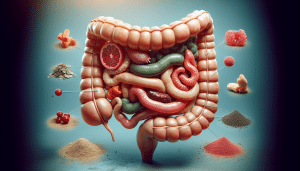
The gut is more than just a digestive organ; it’s often called the body’s “second brain.” This is due to its complex network of neurons and gut bacteria that influence everything from nutrient absorption to emotional balance. Many studies highlight how a thriving gut microbiome can impact emotional wellbeing, immune defenses, and even sleep quality. Not only does the gut directly break down food and absorb nutrients, but it also communicates with the brain via the gut-brain axis, shaping mood and behavior in subtle ways. The connection between digestive balance and daily health continues to reveal new discoveries, making gut wellness a subject of persistent curiosity and research.
The digestive tract hosts trillions of microbes—bacteria, fungi, and viruses—all working in harmony, ideally. When this delicate balance is disrupted, symptoms like bloating, irregularity, and discomfort may occur. Research suggests imbalances in the gut flora are associated with issues such as immune dysfunction and increased inflammation. Because the digestive system plays a vital role in filtering harmful particles, supporting it with mindful lifestyle choices may help foster resilience throughout the body. Understanding this system can inspire practical, everyday changes for better health.
The concept of gut health isn’t just about digestion; it interconnects with how people feel and function. From managing weight to supporting energy levels, the gut’s performance is central to daily vitality. Many wellness routines now center on gut-friendly practices such as mindful eating, diverse diets, and incorporating fiber. By nurturing the gut ecosystem, there’s potential to improve wellness, though it’s not a quick fix. Instead, long-term habits may shape a happier, healthier self—one meal at a time.
Discovering the Impact of Probiotics and Prebiotics
Probiotics often take the spotlight in digestive discussions. These live microorganisms, commonly found in yogurt and fermented foods, are believed to replenish beneficial gut bacteria and support digestive resilience. Research from reputable sources highlights their role in helping restore balance after disruptions from stress, antibiotics, or poor nutrition (see: https://www.nih.gov/news-events/nih-research-matters/probiotics-promote-gut-health). While effects vary among individuals, many people find that regularly consuming probiotic-rich foods can lead to more comfortable digestion and a feeling of well-being.
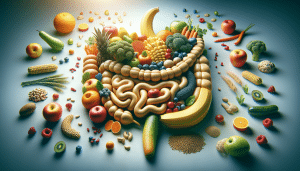
Prebiotics, on the other hand, are dietary fibers that essentially feed those friendly bacteria. Common sources include bananas, onions, garlic, whole grains, and asparagus. Unlike probiotics, which are live bacteria, prebiotics are not alive but offer an essential nutritional boost for the beneficial microbes already inside the gut. Incorporating both prebiotic and probiotic foods in your routine could create a more stable environment for gut flora to thrive, potentially enhancing digestive comfort and overall metabolic health.
Studies suggest the combination of prebiotics and probiotics—sometimes referred to as synbiotics—may promote better results than either alone. However, experts caution there is no universal solution. The effectiveness depends on an individual’s existing microbiome, diet patterns, and lifestyle. Exploring which foods suit your body and experimenting with a variety of fiber-rich options can be a gentle step toward building a gut-friendly diet. If digestive troubles persist, it’s always sensible to consult with a qualified medical provider before making significant changes.
How Dietary Fiber May Support Gut Health
Fiber is crucial for digestive wellness and is found in fruits, vegetables, legumes, and whole grains. It acts as a natural regulator, keeping things moving through the digestive tract and providing nourishment for beneficial bacteria. Consuming a diverse array of fibers, both soluble and insoluble, can help contribute to regularity and a balanced gut environment. People who consistently eat fiber-rich meals often report fewer digestive complaints, making fiber a foundational part of any gut support plan.
Beyond aiding digestion, a fiber-rich diet can play a role in moderating blood sugar and cholesterol levels, according to leading health organizations (https://www.cdc.gov/nutrition/data-statistics/know-your-limit-for-added-sugars.html). This makes dietary fiber vital not only for the gut, but for metabolic wellbeing as well. Most adults do not consume enough; adding small amounts gradually may help prevent uncomfortable bloating. Creative choices—like adding beans to salads, snacking on raw carrots, or choosing whole-grain breads—bring satisfying texture and extra nutrients to a daily routine.
Experts advise that fiber intake should be matched with adequate hydration to avoid digestive sluggishness. Drink plenty of water alongside your meals to assist the movement of fiber through the system. Over time, building this habit can help cultivate more comfortable digestion and may also support feelings of fullness and stable energy levels. Small, steady improvements in daily fiber can add up, leading to positive changes in overall health.
Mindful Eating as a Tool for Digestive Balance
The way food is consumed matters almost as much as what’s on the plate. Mindful eating—a practice that draws attention to taste, texture, and the body’s hunger cues—has been associated with improved digestive outcomes. By eating slowly and savoring each bite, digestion begins more efficiently in the mouth, thanks to adequate chewing and a focus on mealtime. Studies show that mindful eating may help in recognizing fullness and reducing the risk of overeating, which can stress the gut.
Distractions like screens, work, or hurried lunches can prevent people from noticing early signs of discomfort or satisfaction. Practicing mindful eating involves turning off digital devices and bringing curiosity to the dining experience—notice flavors, textures, and aromas. This approach isn’t about restrictive diets but about forming a different relationship with food. Many who adopt mindful habits notice they enjoy meals more and experience greater satisfaction afterward. Plus, conscious eating can help minimize common complaints, such as bloating or indigestion, often triggered by speed-eating or stress.
Like any wellness tool, mindful eating is a skill developed over time. It may begin with just a few mindful bites each day or setting aside a tech-free lunch hour. Gradually, this practice may become second nature, creating a positive feedback loop for both mind and digestive tract. Start with simple shifts, such as putting the fork down between bites and using all the senses to appreciate a meal.
Sleep, Stress, and the Gut-Brain Connection
There is growing evidence that both sleep and stress levels directly impact gut function. Insufficient rest and chronic stress can disrupt the microbiome, leading to symptoms like bloating and discomfort. The “gut-brain axis” describes the two-way communication between the digestive system and the nervous system—meaning stress can influence gut health, and a troubled gut may even affect mood or cognitive clarity. Mind-body strategies such as meditation, gentle movement, and breathing exercises may serve as valuable complements to a balanced diet.
Basic stress reduction—such as daily walks, limited caffeine, or spending time in nature—can support digestive comfort. Clinical research indicates that relaxation techniques may lessen digestive upset for people prone to stress-sensitive symptoms (https://www.mayoclinic.org/healthy-lifestyle/stress-management/in-depth/stress/art-20046037). In parallel, high-quality sleep supports gut bacteria diversity and strengthens immune defenses; prioritizing a consistent sleep schedule, creating a restful environment, and avoiding large meals before bedtime could benefit digestive rhythms.
The relationship between mental wellbeing and gut health is dynamic and ongoing. While changing stress or sleep patterns can be challenging, small adjustments may promote resilience over time. Combining nutrition changes with supportive lifestyle routines tends to yield the most lasting results. Listening to the body’s feedback is key—each person’s journey toward digestive comfort is personal and worth approaching with patience.
Choosing the Right Approach for Digestive Wellness
With so many gut health trends, deciding what’s truly beneficial can be confusing. Experts recommend focusing on incremental, sustainable changes—like increasing vegetable variety, drinking more water, or experimenting with fermented foods. Not every suggestion will work for everyone due to individual body chemistry; the critical part is tuning into personal responses and adapting accordingly. Seeking guidance from a registered dietitian or trusted health source ensures choices fit specific health needs and goals.
Marketing language around gut health can sometimes create unrealistic expectations. Current scientific consensus emphasizes holistic lifestyle changes over single “magic bullet” solutions. Anyone wishing to address troublesome digestive symptoms—persistent pain, extreme irregularity, or sudden weight loss—should consult a healthcare professional to rule out more serious issues (https://www.niddk.nih.gov/health-information/digestive-diseases). With patience, routine, and reputable guidance, digestive wellness becomes part of a robust self-care plan.
In conclusion, nourishing the gut is an integrated, long-term process. Exploring the impact of probiotics and fiber, adopting mindful eating, managing stress, and individualizing the approach all contribute to digestive health. While results may not be immediate, the cumulative influence of thoughtful habits is profound. Keep curiosity alive and prioritize small, supportive choices—each step helps build a resilient foundation for lifelong wellness.
References
1. National Institutes of Health. (n.d.). Probiotics: What You Need to Know. Retrieved from https://www.nih.gov/news-events/nih-research-matters/probiotics-promote-gut-health
2. Centers for Disease Control and Prevention. (n.d.). Fiber: The carb that helps you manage weight. Retrieved from https://www.cdc.gov/nutrition/data-statistics/know-your-limit-for-added-sugars.html
3. Mayo Clinic. (n.d.). Stress management. Retrieved from https://www.mayoclinic.org/healthy-lifestyle/stress-management/in-depth/stress/art-20046037
4. Harvard School of Public Health. (n.d.). Fiber and prebiotics: Mechanisms and health benefits. Retrieved from https://www.hsph.harvard.edu/nutritionsource/carbohydrates/fiber/
5. National Institute of Diabetes and Digestive and Kidney Diseases. (n.d.). Digestive Diseases. Retrieved from https://www.niddk.nih.gov/health-information/digestive-diseases
6. Johns Hopkins Medicine. (n.d.). The Gut: A Second Brain. Retrieved from https://www.hopkinsmedicine.org/health/wellness-and-prevention/the-gut-brain-connection

 Secrets You Might Not Know About Crowdfunding Success