You Might Be Surprised By These Mind-Gut Health Connections
Evangeline Keaton October 29, 2025
The relationship between your digestive system and mental well-being is more complex than most people realize. This guide uncovers surprising insights on how gut health and mental health are intertwined, what influences these systems, and practical approaches to support both for overall wellness.
Understanding the Mind-Gut Connection
Many are intrigued to learn that the brain and digestive system communicate in direct, bidirectional ways. This mind-gut connection isn’t just a buzzword; it’s a vital element of both physical and mental health. Neurotransmitters like serotonin are produced in large quantities in the gut, with some estimates stating that nearly 90% of serotonin is made there. So, when gut health is disturbed—through poor diet, stress, or illness—it can directly influence mood and even risk for anxiety or depressive symptoms. Understanding this two-way relationship opens up new perspectives on how to approach well-being (https://www.health.harvard.edu/diseases-and-conditions/the-gut-brain-connection).
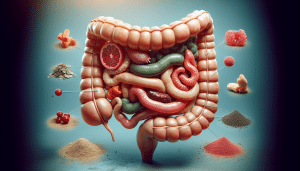
Recent research reveals that gut flora, or the diverse bacteria living in our intestines, play a huge role in this relationship. These bacteria help digest food, synthesize vitamins, and create chemicals that influence neurotransmitter production. Imbalances in gut flora, sometimes called dysbiosis, have been linked to mental health challenges, including increased stress response and even cognitive impairment. Maintaining a balanced microbiome can therefore provide substantial benefits for both brain and gut wellness, showing that holistic approaches may have profound effects (https://www.ncbi.nlm.nih.gov/pmc/articles/PMC7009614/).
One of the most fascinating aspects of the mind-gut relationship is the feedback loop it creates. Stress can easily disrupt gut function, leading to symptoms like cramping, bloating, or changes in bowel habits. At the same time, a disturbed digestive system can send distress signals to the brain, amplifying anxiety or low mood. By recognizing this cycle, people may find that addressing gut health isn’t just about digestion—it’s also a proactive step in caring for emotional and cognitive health (https://www.apa.org/monitor/2012/09/gut-feeling).
How Diet Influences Brain and Gut
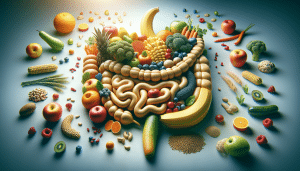
What people eat has a huge impact on gut microbiota and, by extension, mental health. Diets rich in fiber, colorful fruits, leafy greens, and fermented foods like yogurt or kimchi encourage the growth of beneficial bacteria. These bacteria produce short-chain fatty acids, which act as fuel for colon cells and exert anti-inflammatory effects in both gut and brain. Nutritionists have noted that Mediterranean-style diets packed with plants are associated with lower rates of depression, possibly due to their gut-friendly properties (https://www.ncbi.nlm.nih.gov/pmc/articles/PMC7826014/).
Conversely, diets high in processed foods, added sugars, and artificial chemicals can harm the gut ecosystem. These foods may decrease diversity in gut bacteria and create an inflammatory environment, which can spill over and affect emotions, memory, and stress resilience. It’s clear that nutrition is not just about calories or macronutrients—it’s about feeding the trillions of cells, both human and microbial, that keep mind and gut in balance (https://www.nature.com/articles/s41575-021-00556-y).
Some individuals also look into prebiotics and probiotics, either through food or supplements, to support their gut environment. While more research is needed, select strains of probiotics have shown promise in reducing symptoms of mild anxiety or supporting immune function. Choosing whole foods (like garlic, oats, or live-culture dairy) may be a gentle way to begin influencing both digestive and mental outlook. These dietary strategies reinforce that even small changes can create a big ripple effect throughout the body and mind.
Role of Stress and Sleep in Gut-Brain Health
Stress is one of the most significant disruptors of gut function. Acute stress—from a major event or daily worries—can trigger the body’s “fight-or-flight” response. This often results in slowed digestion, increased gut permeability (sometimes called “leaky gut”), and shifts in the gut bacteria population. Over time, chronic stress may contribute to persistent digestive discomfort, including conditions such as irritable bowel syndrome (IBS) or inflammatory bowel disease (IBD) (https://www.gutmicrobiotaforhealth.com/stress-effects-gut-brain/).
Sleep quality also influences the mind-gut axis. Poor sleep can cause hormonal shifts (like in cortisol and insulin), which impact both mental health and the composition of gut bacteria. Studies suggest that even a few nights of disrupted sleep can alter the microbiome, reduce resilience to stress, and affect memory or decision-making. Prioritizing a consistent sleep routine may thus support gut health and emotional stability at the same time (https://www.nih.gov/news-events/nih-research-matters/poor-sleep-alters-gut-bacteria-diversity).
Techniques such as mindfulness, yoga, or breathing exercises have been shown to calm both the mind and the stomach. Regular practice helps lower the body’s stress response, giving the gut a break from inflammatory stimuli and restoring optimal function to the brain-gut circuit. This blend of stress management and lifestyle balance forms a cornerstone of holistic wellness—offering tools that support every part of the mind-gut relationship.
Mental Health Disorders and the Gut
A growing body of research explores links between gut health and mental health disorders such as depression, anxiety, or even neurodevelopmental challenges. Diverse microbiota are associated with greater emotional resilience and better cognitive function. Changes in gut bacteria composition have been found in those with mental health diagnoses, suggesting that treatment support could expand beyond traditional approaches to include gut-targeted therapies (https://www.ncbi.nlm.nih.gov/pmc/articles/PMC5641835/).
Researchers are now examining how interventions such as dietary changes, probiotics, or fecal microbiota transplants might improve symptoms in some mental health conditions. While this science is new and evolving, early results are encouraging. The hope is for future strategies that combine psychological therapies, medication, and gut-centered approaches for a more comprehensive support system. As evidence deepens, it becomes clearer that mental health is not confined to the brain alone—it interacts with the entire body.
Broader mental wellness benefits may include reduced chronic inflammation, improved sleep, and even stabilized blood sugar—all rooted in a healthy digestive system. By seeing the entire body as an interconnected network, people can find new opportunities for healing. The future of mental healthcare may rely in part on supporting the microbiome as part of a truly integrative practice, opening a new chapter in both digestive and brain health.
Practical Ways to Support Your Mind-Gut Wellness
Supporting the mind-gut relationship doesn’t require an overhaul of your life. Gentle, consistent habits can make a meaningful impact over time. Start with fiber-rich foods—whole grains, beans, berries, and leafy greens—to nourish gut flora. Adding modest amounts of fermented foods and staying hydrated are other easy wins. These choices act as fuel for beneficial bacteria, positively influencing both mood and digestion.
Routine matters. Going to bed and waking at the same time every day, eating meals at regular intervals, and practicing daily stress management techniques create predictable rhythms for the body and brain. Mindfulness, journaling, or physical movement offer accessible routines that have both mental and gastrointestinal benefits. Small shifts—like pausing for deep breaths before a meal—can lay the foundation for true mind-gut harmony.
If digestive or mental symptoms persist, seeking guidance from a healthcare provider knowledgeable in integrative approaches can help. Medical professionals specializing in nutrition, psychology, or even gastroenterology now recognize the importance of a personalized, evidence-based strategy for wellness. Collaboration with professionals ensures that self-care goes beyond guesswork, bringing the science of the mind-gut connection into daily practice.
References
1. Harvard Health Publishing. (n.d.). The gut-brain connection. Retrieved from https://www.health.harvard.edu/diseases-and-conditions/the-gut-brain-connection
2. Kilsdonk, L.J., et al. (2020). The gut–brain axis in healthy older adults and patients with Parkinson’s disease: a systematic review. Retrieved from https://www.ncbi.nlm.nih.gov/pmc/articles/PMC7009614/
3. American Psychological Association. (2012). Your gut gives you feelings, too. Monitor on Psychology. Retrieved from https://www.apa.org/monitor/2012/09/gut-feeling
4. Cani, P.D. & de Vos, W.M. (2017). Next-generation beneficial microbes: the case of Akkermansia muciniphila. Retrieved from https://www.nature.com/articles/s41575-021-00556-y
5. Gut Microbiota for Health. (2021). Can stress really affect gut health? Retrieved from https://www.gutmicrobiotaforhealth.com/stress-effects-gut-brain/
6. National Institutes of Health. (n.d.). Poor sleep alters gut bacteria diversity. Retrieved from https://www.nih.gov/news-events/nih-research-matters/poor-sleep-alters-gut-bacteria-diversity

 Secrets You Never Hear About Raised Bed Gardening