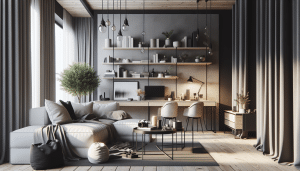
Discover Minimalist Living That Transforms Spaces
Evangeline Keaton October 28, 2025
Minimalist living has surged in popularity as people look for ways to reduce clutter, boost creativity, and enjoy calm spaces. This guide explores how minimalist design, mindful consumption, and intentional choices can transform any home and lifestyle, making life feel more spacious and meaningful.
Understanding Minimalist Living and Its Emotional Appeal
Minimalism is much more than simply clearing out closets; it’s about intentionally choosing what truly matters. The minimalist lifestyle focuses on creating spaciousness, not only in your home but also in your mind. By reducing clutter and adopting a less-is-more philosophy, people have found relief from modern life’s overwhelming pace. Minimalist living naturally encourages individuals to be more mindful in their consumption, often leading to better financial health and emotional well-being. The decluttering process, from the first donation box to a streamlined living room, brings a sense of calm and satisfaction that sparks further change in daily habits (Source: https://www.apa.org/pi/about/newsletter/2018/09/declutter-mind).
Many who begin their minimalist journey notice a shift in overall happiness. By choosing to keep only items that serve a real functional or emotional purpose, individuals free up mental energy. This can improve focus, making it easier to pursue hobbies, personal growth, or relaxation. Studies show that the connection between minimalism and stress reduction is real, as the act of letting go causes many to reflect on what adds value to their everyday routine (Source: https://www.psychologytoday.com/us/blog/mental-wealth/202002/the-benefits-minimalism).
Minimalist living isn’t about deprivation—it’s about intentionality. By cultivating spaces that are airy, simple, and open, people report increased feelings of control and pride in their environment. Less distraction often means deeper conversations, more restful sleep, and the ability to truly relax at home. Minimalism becomes a gateway to mindful living, encouraging thoughtful choices in all areas: from home design, fashion, to even digital consumption (Source: https://www.mayoclinichealthsystem.org/hometown-health/speaking-of-health/the-benefits-of-decluttering).
Decluttering Strategies That Make a Real Difference
The journey towards a minimalist lifestyle often begins with decluttering. Effective strategies, such as the well-known KonMari method, encourage sorting possessions by category and only keeping items that truly “spark joy.” Others prefer to tackle one small task at a time—maybe a single drawer or a corner of the living room. Regardless of the approach, the act of systematically addressing belongings creates a momentum that leads to transformative results. Finding a decluttering process that feels manageable prevents the overwhelm that can cause some people to give up before they start.
For families or shared households, involving everyone in the process ensures both practical results and emotional buy-in. Children can learn valuable lessons by donating toys or clothes, while adults may feel motivated by watching the space open up in communal areas. Placing sentimental or seasonal items in clearly labeled storage also helps retain important memories without cluttering everyday living space. The minimalist mindset values stories and experiences over material accumulation, so even sentimental items can have a dedicated space (Source: https://www.nytimes.com/guides/smarterliving/how-to-declutter-your-home).
Many discover that minimalist decluttering is a cycle, not a one-time event. Setting up systems—such as regularly scheduled donation runs or a rule of removing one item for every new one added—makes it easier to maintain order. The true benefit comes from creating habits that support intentional living. Minimalism is not about having nothing; it’s about making room for what matters most, both physically and emotionally.
Mindful Consumption and Responsible Shopping Habits
A key component of minimalist living is mindful consumption—thoughtful consideration before acquiring something new. Before making a purchase, individuals practicing minimalism often pause and ask whether the item is genuinely needed or brings lasting value. This habit reshapes purchasing behavior, leading to fewer impulse buys and more intentional investments in quality, durability, and function. The result is less clutter, more savings, and a stronger sense of purpose within the home (Source: https://www.consumer.ftc.gov/articles/what-know-about-buying-stuff).
Adopting mindful shopping practices extends to digital purchases and subscriptions as well. Limiting unnecessary digital clutter—like unused streaming services or rarely opened apps—can free up time and reduce expenses. Minimalism applies to both the tangible and intangible, and organizing digital spaces can be just as liberating as cleaning a physical room. Some recommend keeping a “wish list” to revisit later, which reduces impulse spending and allows time to reflect on true needs versus fleeting wants.
The environmental benefits of minimalist consumption are substantial. By choosing to buy less and favoring environmentally responsible brands, people contribute to sustainability efforts and reduce waste. In addition to personal benefits, adopting a minimalist approach can even influence friends and family, creating a positive ripple effect throughout social circles (Source: https://www.epa.gov/recycle/reducing-waste-what-you-can-do).
Designing Spaces That Invite Calm and Reflection
Minimalist home design uses clean lines, neutral color palettes, and functional furniture to create an atmosphere of calm. Spaces feel open, with plenty of natural light and carefully chosen decor making each room inviting and uncluttered. This approach can be adjusted for any home size or style, from city apartments to country cottages. Learning how to maximize storage and choose multi-use furniture can make even the smallest areas feel spacious.
Intentional placement of plants, soft textiles, and personal art enhances the minimalist aesthetic without sacrificing comfort. Many discover that letting rooms “breathe”—free of crowded shelves—creates a restful environment. A visually simple room doesn’t have to be cold or sparse; layering textures and using a mix of natural materials adds warmth and personality. A minimalist home reflects its occupants and their values, rather than a strict design doctrine.
Minimalism often includes a focus on sustainability. Choosing ethically made, long-lasting home goods highlights a commitment to both personal wellness and environmental stewardship. Designing with intention and care creates a sense of pride in your space and makes daily routines simpler. When every item has a purpose or story, it becomes easier to keep a home that feels like a sanctuary (Source: https://www.houzz.com/magazine/minimalist-design-learn-the-basics-and-how-to-achieve-it-stsetivw-vs~39468794).
The Broader Benefits Beyond the Home
The minimalist philosophy extends beyond home decor and organization. Many who practice minimalism experience greater productivity, less anxiety, and even healthier relationships. By focusing attention on core priorities, minimalists report feeling more fulfilled in their work and personal lives. A less cluttered environment supports clearer thinking, which can enhance everything from job performance to conversations with loved ones.
Reduced physical clutter often aligns with a decluttered schedule. Prioritizing essential tasks leads to intentional time management—more time spent on activities that matter, like hobbies, learning, and time with friends. Minimalist living can spark new opportunities for travel, wellness routines, and creative projects by freeing up both time and resources. The pursuit of “enough” rather than “more” encourages a culture of gratitude and mindfulness in everyday life (Source: https://hbr.org/2017/06/minimalism-is-the-new-productivity-hack).
Minimalism can even shape digital behavior, encouraging mindful interaction with technology. Reducing time on social media, streamlining notifications, and curating digital feeds are common minimalist practices. These habits foster more presence, intentionality, and engagement—making life online feel less chaotic and more enriching.
Getting Started on Your Minimalist Journey
Anyone interested in minimalism can begin with a simple assessment of what feels overwhelming in their current environment. Perhaps there’s a crowded closet, a perpetually full calendar, or a smartphone overloaded with apps. Taking inventory of both physical and mental clutter makes the first steps more manageable. Tackling one small space—or even one category, like clothing or emails—provides a sense of accomplishment that encourages continued progress.
Setting realistic goals and celebrating small wins is key. Minimalism embraces progress over perfection; incremental changes add up quickly. Journaling, taking before-and-after photos, or joining online communities for inspiration and accountability can make the journey feel supported and enjoyable. Everyone’s minimalist path is unique, tailored to their needs, values, and circumstances.
Along the way, some people discover a renewed sense of control and possibility. Minimalist living isn’t a finish line but an ongoing practice—a mindset that evolves as life changes. By focusing on what truly matters, individuals create not just beautiful spaces but also richer, more intentional lives (Source: https://www.becomingminimalist.com/).
References
1. American Psychological Association. (2018). Declutter Your Mind: How Clutter Affects Your Brain and Body. Retrieved from https://www.apa.org/pi/about/newsletter/2018/09/declutter-mind
2. Psychology Today. (2020). The Benefits of Minimalism. Retrieved from https://www.psychologytoday.com/us/blog/mental-wealth/202002/the-benefits-minimalism
3. Mayo Clinic Health System. (n.d.). The Benefits of Decluttering. Retrieved from https://www.mayoclinichealthsystem.org/hometown-health/speaking-of-health/the-benefits-of-decluttering
4. The New York Times. (n.d.). How to Declutter Your Home. Retrieved from https://www.nytimes.com/guides/smarterliving/how-to-declutter-your-home
5. U.S. Environmental Protection Agency. (2022). Reducing Waste: What You Can Do. Retrieved from https://www.epa.gov/recycle/reducing-waste-what-you-can-do
6. Becoming Minimalist. (n.d.). Becoming Minimalist: A Way to a Better Life. Retrieved from https://www.becomingminimalist.com/

 You Will Want to Experience Eco-Friendly Travel Destinations