Healthy Lifestyle Choices That Boost Immunity
Evangeline Keaton September 18, 2025
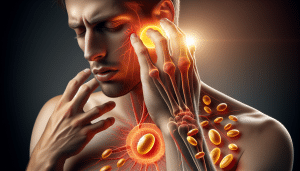
Maintaining a strong immune system is essential for overall health and well-being. Healthy lifestyle choices that boost immunity help the body defend against infections, recover faster from illnesses, and improve long-term health outcomes. While genetics and age play a role in immune function, daily habits such as diet, exercise, sleep, and stress management have a significant impact on how effectively your body responds to pathogens.
This article explores actionable strategies to strengthen immunity naturally through healthy lifestyle practices.

1. Eat a Balanced and Nutrient-Rich Diet
Nutrition is the foundation of a healthy immune system. Consuming a variety of nutrient-dense foods provides the vitamins and minerals necessary for optimal immune function.
- Include fruits and vegetables rich in antioxidants, such as berries, citrus fruits, leafy greens, and bell peppers.
- Consume lean proteins like fish, poultry, beans, and legumes to support immune cell production.
- Incorporate healthy fats such as omega-3 fatty acids from fatty fish, flaxseeds, and walnuts.
- Ensure adequate intake of vitamins and minerals, including vitamin C, vitamin D, zinc, and selenium.
According to a 2023 report from the National Institutes of Health (NIH), diets rich in antioxidants and essential nutrients enhance immune response and reduce inflammation.
2. Engage in Regular Physical Activity
Exercise strengthens the immune system by promoting circulation, reducing inflammation, and stimulating the production of immune cells.
- Aim for at least 150 minutes of moderate-intensity exercise per week, such as brisk walking, cycling, or swimming.
- Include strength training to maintain muscle mass and support overall metabolism.
- Avoid overtraining, as excessive exercise can temporarily suppress immunity.
The Journal of Sport and Health Science (2022) found that regular moderate exercise improves immune surveillance and reduces the risk of infections.
3. Prioritize Quality Sleep
Sleep plays a crucial role in immune function. During deep sleep, the body releases cytokines, proteins that help fight infection and inflammation.
- Adults should aim for 7–9 hours of sleep per night.
- Maintain a consistent sleep schedule by going to bed and waking up at the same time daily.
- Create a sleep-friendly environment, including darkness, quiet, and a cool room temperature.
Research from the Sleep Foundation (2023) shows that individuals with sufficient sleep are significantly less likely to contract viral infections and recover faster when ill.
4. Manage Stress Effectively
Chronic stress can suppress the immune system by increasing cortisol levels, leading to increased susceptibility to infections.
- Practice mindfulness techniques, such as meditation, deep breathing, or yoga.
- Engage in leisure activities that promote relaxation, such as reading, art, or music.
- Maintain social connections with family and friends to support emotional well-being.
A 2022 study in Psychoneuroendocrinology concluded that stress-reduction practices improve immune function and enhance vaccine efficacy.
5. Stay Hydrated
Proper hydration is essential for all bodily functions, including immunity. Water helps transport nutrients to cells, flush toxins, and maintain optimal circulation of immune cells.
- Drink 6–8 glasses of water daily, more if you are physically active.
- Include hydrating foods, such as fruits and vegetables with high water content.
- Limit sugary beverages that can promote inflammation and weaken immune response.
According to the American Journal of Clinical Nutrition (2023), adequate hydration supports lymphatic circulation, which is crucial for immune system efficiency.
6. Limit Alcohol and Avoid Smoking
Alcohol and tobacco can compromise immune function, increasing susceptibility to infections and delaying recovery.
- Limit alcohol consumption to moderate levels, or avoid it entirely.
- Avoid smoking, which impairs respiratory immunity and damages immune cells.
- Seek support for quitting smoking or reducing alcohol intake through counseling or wellness programs.
The World Health Organization (WHO, 2023) emphasizes that eliminating tobacco and limiting alcohol are key strategies for improving immune health and overall well-being.
7. Incorporate Probiotics and Gut Health
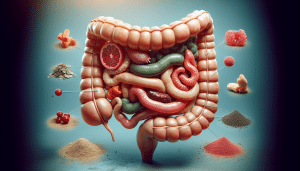
Gut health is closely linked to immunity because a large portion of immune cells are located in the gastrointestinal tract.
- Consume probiotic-rich foods, such as yogurt, kefir, kimchi, and sauerkraut, to promote a healthy gut microbiome.
- Include prebiotic foods, such as garlic, onions, bananas, and asparagus, which feed beneficial gut bacteria.
- Consider probiotic supplements if recommended by a healthcare provider.
A 2023 review in Frontiers in Immunology reports that a healthy gut microbiome enhances immune response and reduces inflammation, highlighting the importance of digestive health in immunity.
8. Maintain a Healthy Weight
Maintaining a healthy body weight supports immune function and reduces the risk of chronic inflammation, which can impair immunity.
- Combine balanced nutrition with regular physical activity to achieve and maintain a healthy weight.
- Monitor body mass index (BMI) and waist circumference as indicators of metabolic health.
- Avoid extreme diets that compromise nutrition and immune health.
The Journal of Clinical Endocrinology & Metabolism (2022) found that obesity is linked to chronic low-grade inflammation and impaired immune response, making weight management crucial for optimal immunity.
Conclusion
Healthy lifestyle choices that boost immunity are essential for maintaining overall health and resilience against infections. By prioritizing nutrient-rich diets, regular exercise, adequate sleep, stress management, hydration, and gut health, individuals can strengthen their immune system naturally.
Implementing these habits consistently not only enhances immunity but also promotes long-term physical and mental well-being, allowing the body to respond effectively to challenges and maintain vitality throughout life.
References
National Institutes of Health (2023). Nutrition and Immune Function. Available at: https://www.nih.gov
Journal of Sport and Health Science (2022). Exercise and Immune Function. Available at: https://www.journals.elsevier.com
Sleep Foundation (2023). The Impact of Sleep on Immunity. Available at: https://www.thensf.org
Psychoneuroendocrinology (2022). Stress and Immune Function. Available at: https://www.sciencedirect.com
American Journal of Clinical Nutrition (2023). Hydration and Immune Health. Available at: https://academic.oup.com
World Health Organization (2023). Tobacco, Alcohol, and Immunity. Available at: https://www.who.int
(Accessed: 17 September 2025).
Frontiers in Immunology (2023). Gut Microbiome and Immune Response. Available at: https://www.frontiersin.org
(Accessed: 17 September 2025).
Journal of Clinical Endocrinology & Metabolism (2022). Obesity and Immune Function. Available at: https://academic.oup.com
(Accessed: 17 September 2025).

 Travel Guides for Cultural and Culinary Experiences