Gut Health Secrets You Might Overlook
Evangeline Keaton October 20, 2025
Gut health shapes your digestion, immune strength, and even mood, but many people only discover its impact when issues arise. Unlock how lifestyle tweaks and nutrition can support a balanced microbiome and make a surprising difference for your overall wellness in this guide.
Why Gut Health Is More Important Than Most Realize
For many, the digestive system works behind the scenes, quietly processing nutrients and supporting overall vitality. But hidden within this complex system is the gut microbiome—a thriving community of trillions of bacteria, fungi, and other microorganisms. Scientists have recently uncovered that optimal gut health is closely linked with how effectively your body absorbs nutrients, regulates inflammation, and fends off pathogens. As research deepens, the microbiome stands out as a major player in promoting energy, protecting against illnesses, and even affecting weight. This discovery reframes the gut from just a food processor to a dynamic wellness engine.
Surprisingly, an unbalanced gut can trigger more than just stomach aches. Scientific investigations have linked gut health to a range of conditions from allergies and autoimmune diseases to anxiety. When the microbiome loses diversity—sometimes due to stress, antibiotics, or a poor diet—the immune system may become overactive or sluggish. This imbalance is now recognized as a contributing factor to chronic inflammation, which underpins many modern health issues. Knowing this, attention to digestive harmony can be a key factor for preventing problems long before they surface.
Taking steps to support gut health has become a popular focus among wellness communities. Prebiotics and probiotics are now familiar terms, but the routines that sustain a healthy gut go beyond supplements. Avoiding unnecessary antibiotics, incorporating fiber-rich foods, and reducing stress each play a unique role in nurturing microbial balance. The payoff? Stronger immunity, fewer digestive complaints, and improved mood. Emerging science stresses the profound effects of even subtle gut shifts, reminding us why maintaining digestive wellness is worth prioritizing.
The Gut-Brain Connection Explained
The concept that your gut influences your mind isn’t just a catchy phrase—it’s backed by years of research into what’s called the gut-brain axis. This communication superhighway involves nerves, hormones, and immune molecules, linking the digestive system with the brain in real time. When gut bacteria produce neuroactive compounds—like serotonin, which helps regulate mood—they send signals to the brain that can affect feelings of happiness and stress resilience. Some even call the gut the ‘second brain’ due to this intricate network. Understanding this connection can reshape how people think about both mental health and digestion.
Regular digestive discomfort, chronic bloating, or irregular bowel movements sometimes signal more than a dietary issue—they can mirror emotional tension or heightened anxiety. Conversely, high stress can disturb gut bacteria, weakening digestion and the body’s defenses. This two-way relationship means that strategies targeting gut health, such as a balanced diet and mindfulness practices, can create positive ripple effects far beyond the digestive tract. Recent findings show that improving the microbiome may reduce symptoms of depression and anxiety, illustrating just how interconnected internal systems can be.
Steps to nurture both mental equilibrium and digestive ease include mindful eating, limiting processed foods, and engaging in regular physical activity. Tracking how certain foods or habits influence mood and digestion can lead to actionable changes. Some practitioners recommend keeping a food and emotion journal to spot patterns and triggers. Researchers are optimistic that focusing on gut health could become an adjunct tool for those addressing mental wellness concerns. While the science continues to develop, early results suggest plenty of potential for daily routines to boost both mood and microbiome strength.
Nutrition and Foods That Support Gut Wellness
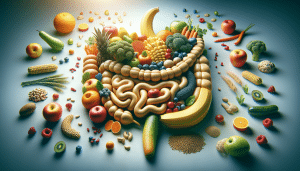
The foundation for a vibrant gut is built in the kitchen. Whole foods, particularly those high in fiber and plant polyphenols, feed beneficial bacteria while crowding out harmful species. Foods like leafy greens, bananas, onions, and whole grains offer prebiotic fibers that act as fuel for helpful microbes. Fermented foods—such as yogurt, kefir, sauerkraut, and kimchi—introduce living probiotics to the digestive tract, potentially enhancing microbial diversity. Nutrition experts encourage experimenting with these foods and gradually increasing fiber to avoid discomfort while building better habits for the long term.
Sugary snacks, processed meats, and excessive alcohol can disrupt gut harmony by reducing diversity and promoting the growth of unwanted microbes. By contrast, a nutrient-rich diet supports protective bacteria that manufacture vitamins, regulate inflammation, and bolster immunity. For individuals with food sensitivities, identifying and moderating trigger foods is essential for restoring equilibrium. Water, too, plays a vital role by assisting digestion and keeping the gut lining resilient. Over time, even minor dietary adjustments can translate into cumulative benefits for gut microbiota and daily well-being.
Experimenting with meal timing may also affect the gut. Eating at regular intervals, rather than grazing throughout the day, provides the gut with periods of rest to reset and repair. Some people explore intermittent fasting approaches, although consulting a healthcare provider before making significant diet changes is wise. Maintaining variety remains key—the wider the range of plant-based foods included each week, the more robust the intestinal ecosystem. These small choices, reinforced day after day, are the building blocks for resilient digestive health.
Lifestyle Habits That Nurture the Microbiome
What happens outside the kitchen can impact gut health just as much as food choices. Chronic stress, lack of sleep, and sedentary habits disrupt the microbiome’s delicate balance. Stress management techniques—such as mindfulness, yoga, or gentle breathing—help keep inflammation in check and support digestive regularity. Prioritizing restorative sleep gives the gut time to repair and helps synchronize gut bacteria with circadian rhythms, according to emerging research. Even brief walks after meals can jump-start digestion and encourage the flow of beneficial bacteria along the gastrointestinal tract.
Environmental factors, like exposure to antibiotics or antibacterial products, can diminish beneficial microbial populations. Medical experts now recommend only taking antibiotics when absolutely necessary, as overuse can strip away good bacteria alongside harmful ones. Choosing natural cleaning solutions for the home and including time in nature—such as gardening or hiking—encourages a diverse and healthy microbiome. Engaging with soil, plants, and pets each offers unique opportunities for beneficial microbes to replenish their numbers and keep the gut ecosystem resilient over time.
Social connection and emotional fulfillment are also essential. Meaningful relationships can reduce perceived stress, indirectly supporting digestive calm. Science shows that loneliness and high stress levels tend to disrupt microbial harmony, while strong community ties foster stability. Simple daily actions, such as practicing gratitude, connecting with supportive individuals, and carving out moments for relaxation, can quietly optimize gut wellness. These habits may seem small, but their cumulative effects shape a more robust internal environment and contribute to lifelong health.
Spotting Signs of Gut Imbalance and When to Seek Guidance
Recognizing subtle signs of digestive imbalance can help avert future health problems. Recurring bloating, constipation, diarrhea, food intolerances, or persistent fatigue could all signal a need for deeper investigation into the gut. Many ignore these warning signs, only addressing digestive distress when it becomes disruptive. Health professionals suggest paying attention to consistent patterns rather than isolated incidents—what seems like random stomach upset could be the microbiome’s way of asking for support.
Skin problems, mood swings, and frequent infections may also trace their origins to the gut. Some people overlook these indicators, not realizing how closely the digestive and immune systems collaborate. Consultation with a registered dietitian or healthcare provider is recommended when symptoms persist or significantly impact daily life. Laboratory tests and personalized nutrition guidance can clarify underlying issues, leading to more targeted solutions. Pursuing answers early on can help prevent chronic issues and resolve discomfort before it escalates.
Prevention is possible. Monitoring dietary habits, managing stress, and observing daily bodily responses empower individuals to support their gut proactively. Research highlights that incremental improvements—like introducing a new fiber-rich food or managing stress levels—can shift the microbiome’s balance within weeks. By listening to subtle cues and responding with simple lifestyle changes, people can help restore equilibrium and reap wide-ranging health rewards. Vigilance and curiosity about digestive well-being pay off in both the short term and the years ahead.
Long-Term Gut Wellness: Daily Commitment, Lifelong Results
Establishing lasting gut health is a journey, not a one-time fix. Consistency in dietary choices, sleep hygiene, physical activity, and stress reduction forms the foundation. Building a daily routine that emphasizes fiber-rich foods, mindful eating, and adequate hydration makes a significant difference. Routine reflection and gentle adjustments powered by self-observation can set the stage for improvement over time. The compounding effect of positive habits is often underestimated, but evidence continues to show how persistence pays off in tangible wellness gains.
Gastroenterology experts encourage collaboration between individuals and healthcare practitioners for optimal results. This approach recognizes that everyone’s microbiome is unique, and what benefits one person may not work for another. Advances in stool testing and genetic profiling open new possibilities for personalized nutrition and targeted probiotic therapies. Still, core wellness habits remain remarkably constant: eat a diverse array of plants, move regularly, sleep well, and manage stress. These principles, simple as they may seem, underpin lasting digestive and whole-body vitality.
Gut health will likely remain at the forefront of medical research and public interest. As ongoing studies reveal even more about the microbiome’s role in immune strength, obesity, and neurobiology, the value of daily gut-friendly choices comes into sharper focus. For many, the key is curiosity. Embrace gentle experimentation, learn from your body, and stay informed—each step moves you closer to robust lifelong wellness guided by your gut’s own language.
References
1. National Institutes of Health. (n.d.). Human microbiome and health. Retrieved from https://www.nih.gov/news-events/nih-research-matters/human-microbiome-health
2. Harvard T.H. Chan School of Public Health. (n.d.). The gut microbiome. Retrieved from https://www.hsph.harvard.edu/nutritionsource/microbiome/
3. Johns Hopkins Medicine. (n.d.). The gut-brain connection. Retrieved from https://www.hopkinsmedicine.org/health/wellness-and-prevention/the-gut-brain-connection
4. Mayo Clinic. (n.d.). Prebiotics, probiotics and your health. Retrieved from https://www.mayoclinic.org/prebiotics-probiotics-and-your-health/art-20390058
5. Cleveland Clinic. (n.d.). 9 ways to have a healthier gut. Retrieved from https://health.clevelandclinic.org/ways-to-improve-gut-bacteria/
6. American Gastroenterological Association. (n.d.). Gut microbiome. Retrieved from https://www.gastro.org/practice-guidance/gi-patient-center/topic/gut-microbiome

 Your Guide to Building Passive Income Streams